 Dodi Irawan

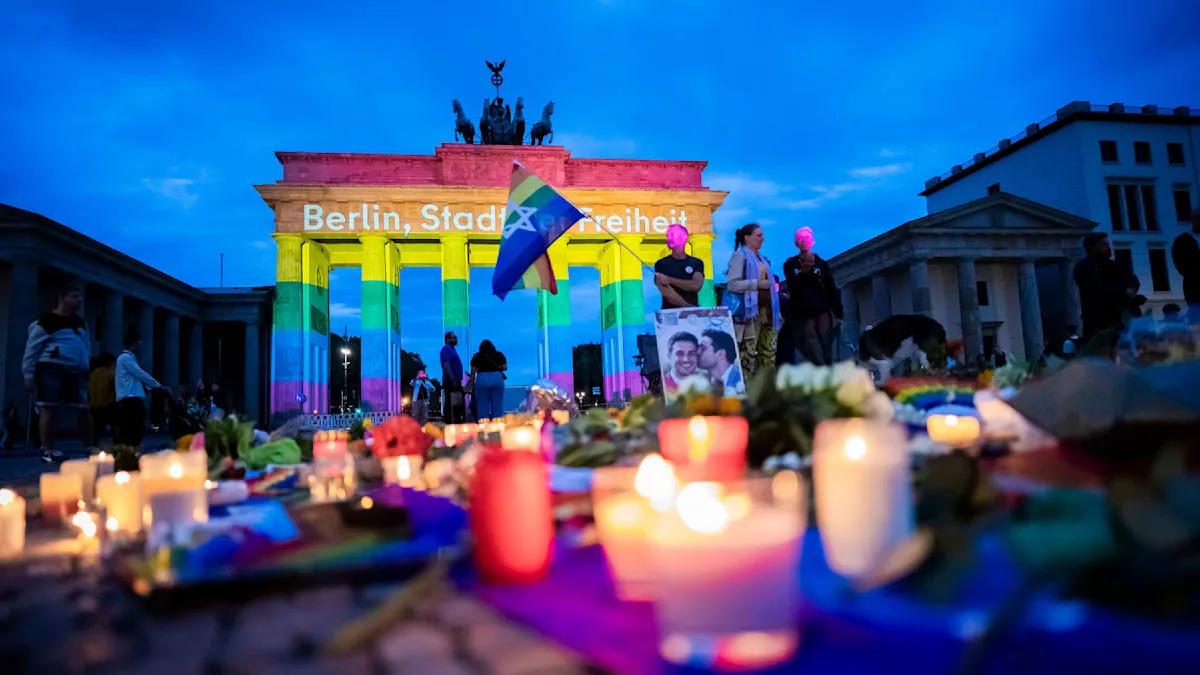
BERLIN — The German public has been shocked by new facts concerning the alleged perpetrator of the attack at Christopher Street Day (CSD) Berlin 2026. The 21-year-old man, who was shot dead by police during his arrest, had reportedly twice attempted to join the terrorist group ISIS. This information, revealed by WELT reporters Max Hermes and Ibrahim Naber, deepens the mystery surrounding the motive behind the tragedy.
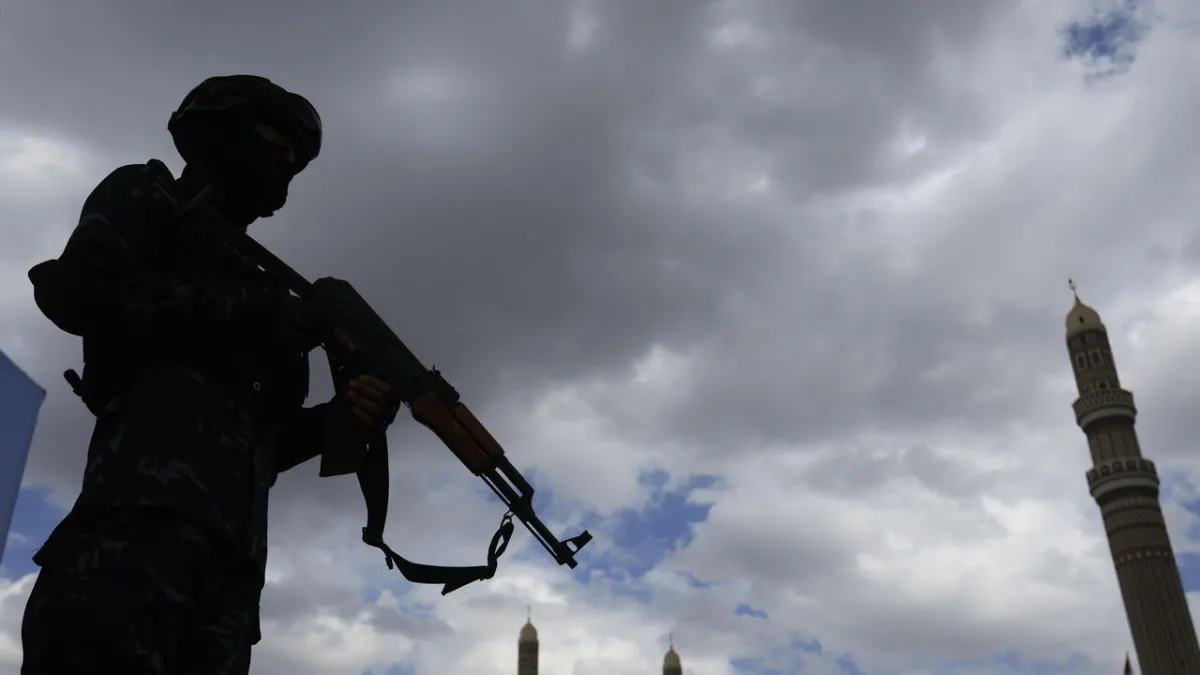
Attempts at recruitment or an individual's desire to integrate into global militant networks like ISIS indicate a serious level of radicalization. The fact that he tried to join twice suggests a strong determination towards extremist ideology, long before the bloody incident at CSD took place.
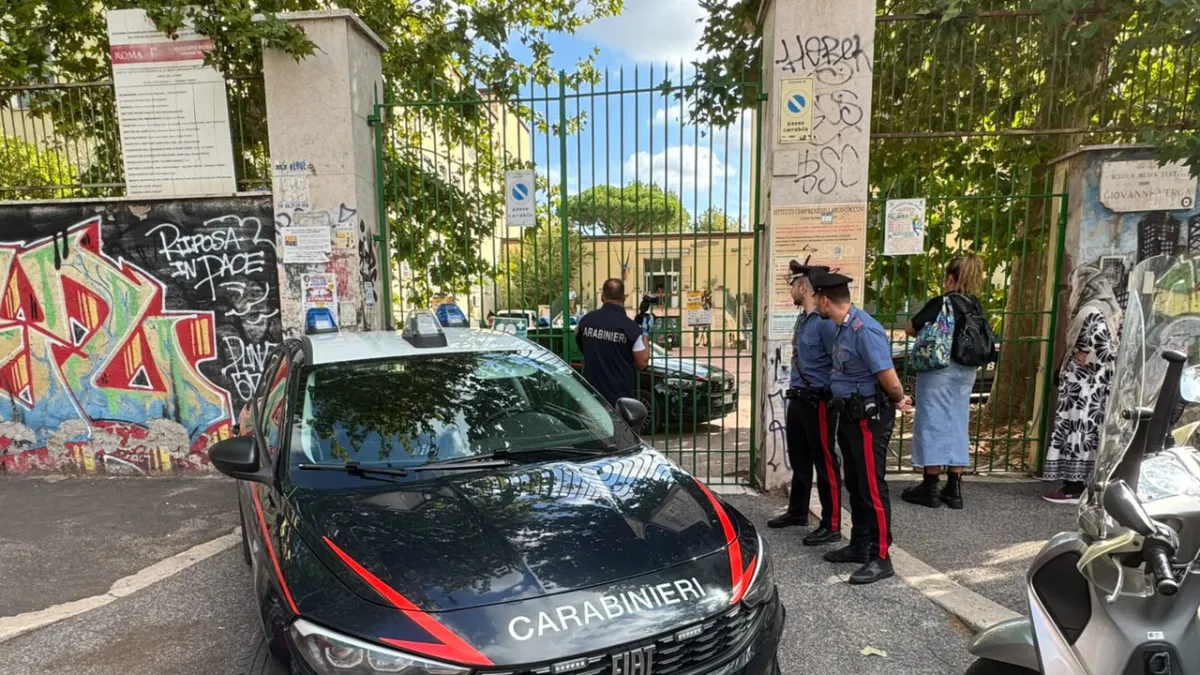
The alleged attacker was killed in a dramatic operation by German security forces. He was shot dead during the arrest process after his identity was revealed as the individual behind the chaos at the Berlin CSD celebration, which garnered global attention. His death marked the end of an intensive manhunt, as previously reported in Silent Operation Berlin: CSD Terror Fugitive Killed After Attacking Police.
The revelation of the perpetrator's radicalization background triggers serious questions about the effectiveness of Germany's early detection and counter-terrorism systems. The CSD 2026 incident has come under sharp scrutiny, exposing security gaps that could be exploited by extremist elements. Germany's security scandal post-incident has indeed been a hot topic of discourse.
Several terrorism experts state that this case illustrates a pattern of self-radicalization or radicalization through small networks that are difficult for authorities to detect. They emphasize that terrorists often exploit weaknesses in the security system to carry out their actions. Experts on terror reveal Berlin 2026 attacker exploited weak points in the system.
The threat of Islamist extremism in Europe, particularly Germany, is not a new phenomenon. Warnings about this danger have been repeatedly voiced. Experts even warned of the danger of Islamism lurking in Germany, with CSD security being a primary concern.
Criticism of the German government regarding its handling of the terrorist threat has intensified following the CSD 2026 attack. Many parties believe the initial response was not agile enough or underestimated the potential threat. Calls to stop underestimating the Islamist threat are now a serious discussion among politicians and the public. Serious discourse for Germany to stop underestimating the Islamist threat indeed emerged after CSD 2026.
The revelation of the perpetrator's background is expected to prompt a thorough evaluation of Germany's counter-terrorism strategies. Security for large-scale public events, especially those vulnerable to targeting, is certain to be tightened and adapted to increasingly complex threats.
The reports by WELT journalists Max Hermes and Ibrahim Naber have been key in uncovering these crucial details. Their investigation provides essential perspective for public understanding of the complexity and new dimensions of terrorist threats faced by developed nations.
The CSD Berlin 2026 incident, now enriched with the facts of the perpetrator's radicalization, reaffirms the urgency of global vigilance against the infiltration of extremist ideologies. This is a bitter reminder that the threat of terrorism is multidimensional and requires a comprehensive response from all fronts, from early detection to rehabilitation.