 Debby Wijaya
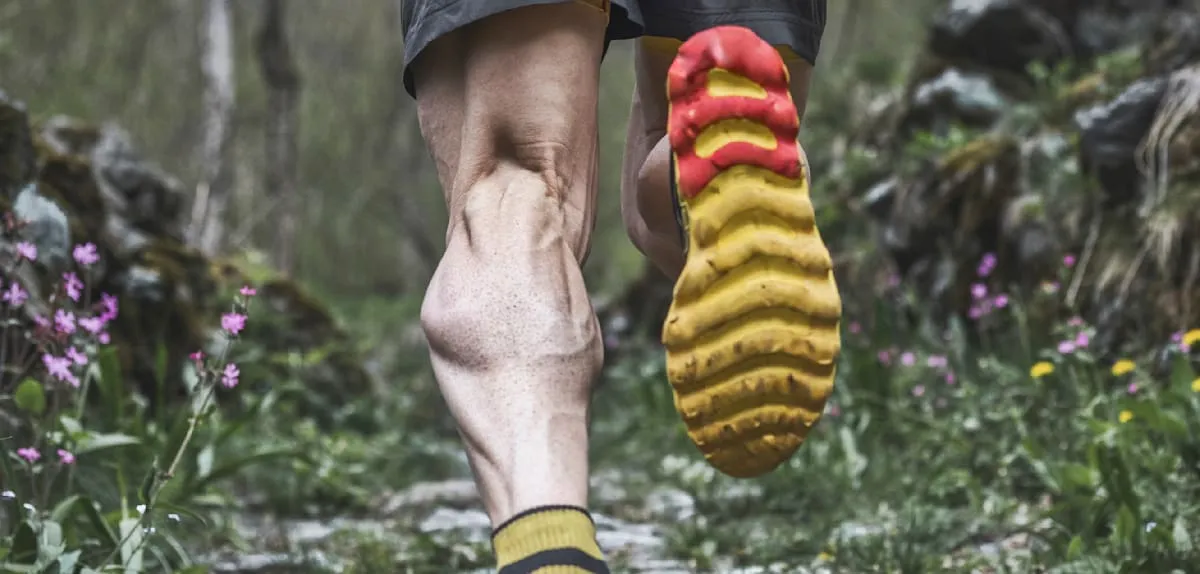
JAKARTA – In the medical world, calf muscles are increasingly recognized as a second heart with significant impact on the body's metabolism and overall health. This discovery underscores the crucial role of a tiny skeletal muscle that, when properly trained, can significantly improve quality of life and prevent various metabolic diseases.
This second heart concept refers to the unique ability of calf muscles to pump blood back to the heart, especially from the lower extremities. This function is vital for maintaining efficient blood circulation, reducing the workload on the main heart, and ensuring optimal distribution of nutrients and oxygen to all body cells.
Experts explain that the gastrocnemius and soleus muscles, which form the calf, compress the deep veins in the legs during contraction. This pressure pushes deoxygenated blood against gravity, back towards the heart. This process is known as the calf pump, a vital mechanism often overlooked in daily health routines.
The effects of the calf pump are not limited to circulation. Recent research demonstrates that activating these muscles has a strong correlation with improved glucose and fat metabolism. In other words, active calf muscles help the body process blood sugar and burn fat more effectively, which is good news for those facing challenges with obesity or at risk of type 2 diabetes.
Regularly training the calf muscles can be a powerful preventive strategy against metabolic syndrome, heart disease, and even vascular problems like varicose veins. Constant improvement in blood flow also supports the health of blood vessels and tissues, reducing systemic inflammation that often underlies various chronic diseases.
Calf muscles are not just supports for movement; they are crucial active metabolic organs, stated Dr. Citra Dewi, a leading sports physiology expert, at a health seminar in Jakarta in early 2026. Ignoring their function is akin to overlooking one of the primary keys to long-term health.
Activating the calf pump does not require special equipment or intensive training. Several effective ways that can be integrated into daily lifestyle include:
- Walking regularly, a minimum of 30 minutes daily.
- Performing calf raises while standing or sitting.
- Using stairs instead of elevators or escalators.
- Incorporating calf stretches into daily routines to maintain muscle flexibility.
Integrating these light physical activities focused on the calves can be done anywhere, anytime. Even while working at a desk, performing small, regular calf raises can help keep circulation and metabolism active. Awareness of the importance of these muscles is the first step towards better health.
The implications of this discovery extend to public health recommendations, encouraging society to pay more attention to calf muscle health as an integral part of preventing non-communicable diseases. This serves as a reminder that even simple elements of the body hold extraordinary potential for our well-being.
Editorial Insight: The affirmation of calf muscles' role as a second heart provides a new perspective in a holistic approach to health. This information is not merely a medical fact but an invitation for individuals to take greater control over their metabolic health through simple yet impactful lifestyle interventions. Amidst the rising prevalence of lifestyle diseases, this understanding and practice are crucial for creating a healthier and more productive society in the future.