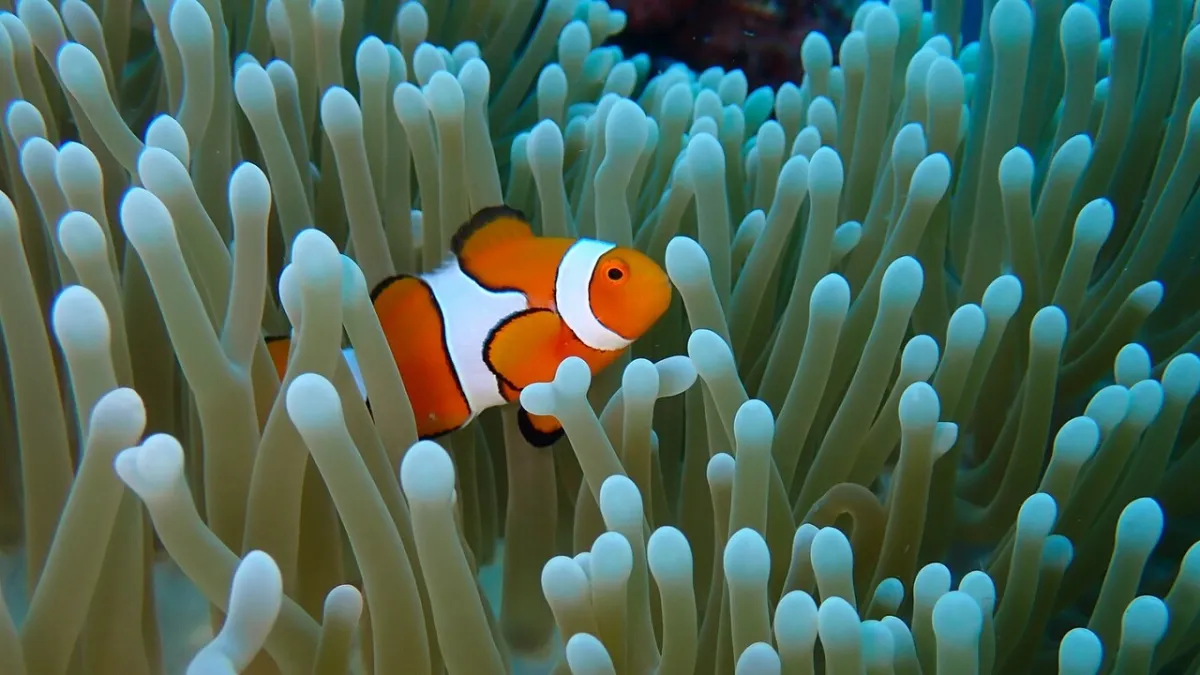
PORT MORESBY – A groundbreaking study conducted in the waters of Papua New Guinea in 2026 reveals a concerning phenomenon: clownfish, popularly known as 'Nemo', exhibit increased aggressive behavior when their host anemones undergo bleaching due to soaring ocean temperatures. These findings highlight the serious impact of climate change on marine ecosystems and interspecies interactions.
Researchers from an international marine conservation organization, in collaboration with local scientists, monitored clownfish populations in several distinct coral reef locations. This observation focused on how clownfish respond to the condition of their host anemones amidst increasingly frequent marine heatwaves.
The study results explicitly demonstrate a correlation between anemone bleaching and increased clownfish aggression. When anemones lose their symbiotic algae and bleach, the clownfish inhabiting them tend to be more protective of their territory, often attacking other approaching fish with greater intensity than usual.
Dr. Anya Sharma, a marine ecologist who led the study, stated, 'This behavior is a clear stress response. Bleached anemones cannot provide optimal protection, making clownfish feel more vulnerable and forcing them to invest more energy in territorial defense.'
Clownfish have a close mutualistic symbiotic relationship with sea anemones. Anemones provide shelter from predators and leftover food, while clownfish protect the anemones from predators and keep them clean. Anemone bleaching disrupts this crucial balance.
Global warming has increased the frequency and intensity of marine heatwaves, which are a primary cause of coral and anemone bleaching worldwide. This phenomenon not only threatens the survival of corals but also triggers a cascading effect on the entire food chain and fragile coral reef ecosystems.
These findings in Papua New Guinea add strong evidence regarding the widespread impact of climate change on animal behavior. Increased aggression can affect mating, foraging, and clownfish population dynamics, potentially reducing their ability to survive in an increasingly challenging environment.
Coral reef ecosystems in the Pacific region, including Papua New Guinea, are among the world's most biodiverse. However, they are also among the most vulnerable to climate change. This study underscores the urgency of global action to mitigate planetary warming.
The government of Indonesia, through the Ministry of Marine Affairs and Fisheries, has ramped up coral reef conservation programs and coastal community education on the threats of climate change. Similar efforts are also being promoted in other Pacific island nations that heavily rely on the health of their oceans.
Scientists are calling for further research to more deeply understand the neurobiological mechanisms behind these behavioral changes, as well as to develop more effective conservation strategies. Protecting anemone habitats is key to maintaining healthy clownfish populations.
Editorial Insight: This study is not just news about clownfish; it is a stark warning about a broader ecological crisis. The increased aggression of this iconic species serves as a vital indicator that environmental pressures due to global warming have reached a critical point, not only at the ecosystem level but also in individual behavior. The findings in Papua New Guinea underscore the need for a coordinated and rapid global response to climate change, before irreversible impacts further spread throughout marine life.