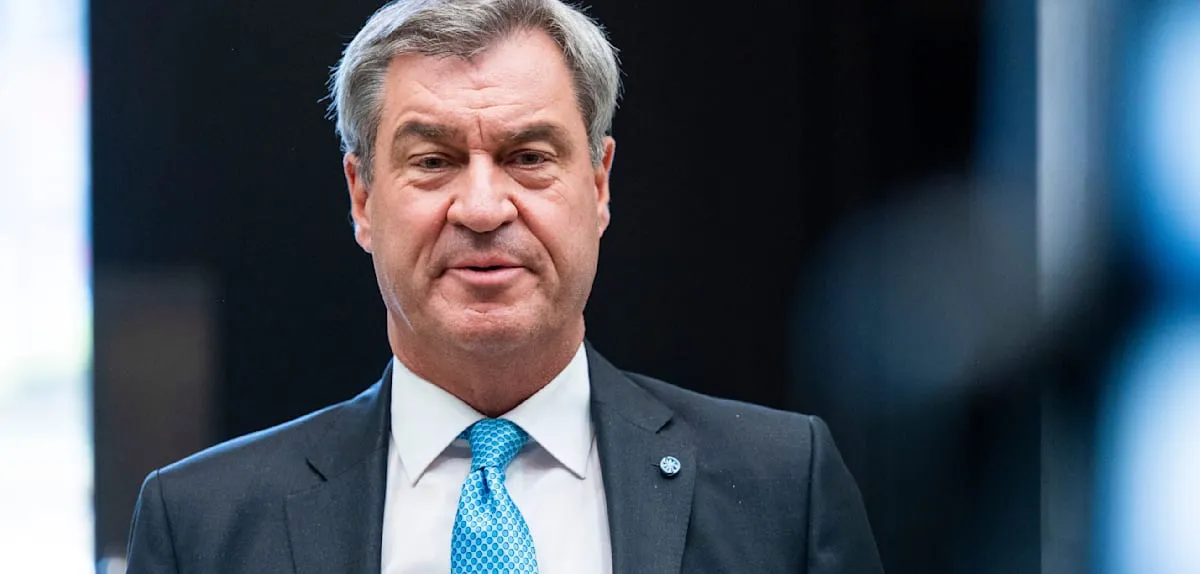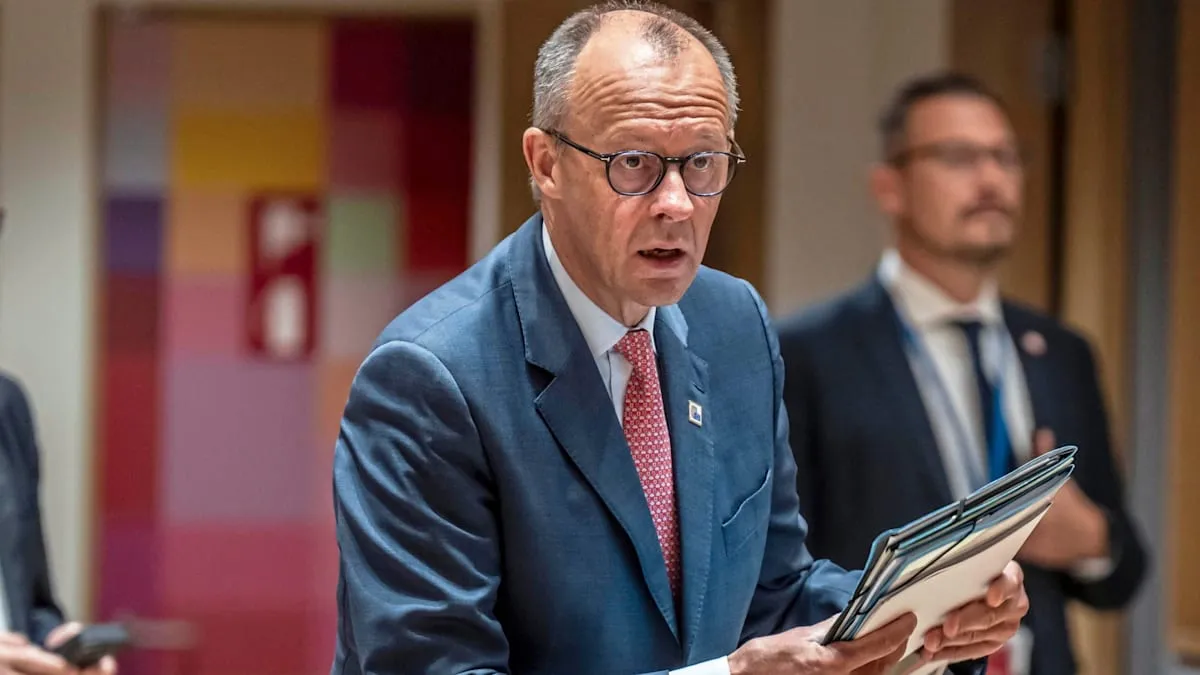
BRUSSELS – German Chancellor Friedrich Merz is urging more substantial cuts to the European Union (EU) budget for the 2028 to 2034 period. This demand follows a proposal by European Council President Antonio Costa to reduce projected spending by 204 billion euros. Merz asserted that while he welcomes Costa's initial initiative, relying solely on digital tax will not be enough to sustain the bloc's financial needs.
The proposal put forth by European Council President Antonio Costa marks a significant step in the ongoing effort to formulate the EU's next multiannual financial framework (MFF). The figure of 204 billion euros from the total projected expenditure serves as a starting point for negotiations expected to be contentious among member states.
From Berlin, Chancellor Merz welcomed Costa's initiative as a constructive beginning. However, he emphasized the necessity for a more in-depth review and much larger cuts to ensure the EU's fiscal sustainability. This is a good first step, but we need more savings. Solely relying on a digital tax will not solve our structural problems, Merz stated in a press release from his office.
The debate surrounding the upcoming EU budget has long been an arena for conflicting interests between net contributor and recipient member states. Major contributing nations, such as Germany, frequently call for strict fiscal discipline and spending efficiency, especially when facing domestic economic pressures.
The discourse on implementing a digital tax as a new revenue stream for the EU has been a hot topic. This idea emerged as an effort to ensure giant tech companies pay their fair share of taxes in the markets where they operate. Nevertheless, Merz indicated that revenues from this tax, though important, would not be adequate to address long-term budget deficits.
Budget cuts could potentially impact various key EU programs, ranging from the common agricultural policy (CAP), cohesion funds to reduce regional disparities, to research and development initiatives. Any significant reduction will require intense negotiations to determine priorities and which sectors must be sacrificed or optimized.
As the head of Europe's largest economy, Chancellor Merz's views carry considerable political weight. His insistence reflects the position of many member states oriented towards stability and budgetary prudence, especially in navigating the challenging global economic dynamics of 2026.
The task of aligning the EU's ambitions to address the climate crisis, support technological innovation, and strengthen defense with demands for savings presents a complex dilemma. Leaders must find a balance between strategic long-term investments and strict fiscal discipline.
Budget negotiations for 2028-2034 are anticipated to be among the most challenging in EU history, given the scale of the proposed cuts and the need for consensus from 27 member states. Every decision will shape the EU's financial landscape and political priorities for the next seven years.
The political momentum in Brussels now centers on how to find a satisfactory common ground between the desire for efficiency and the need to invest in the bloc's future. Antonio Costa's proposal is merely a start, while Friedrich Merz's demands signal a more intense phase of debate.
Editorial Insight:
Chancellor Merz's perspective reflects the urgent economic realities in the European Union. Reliance on a single new revenue source like the digital tax, without significant expenditure restructuring, could create an illusion of false fiscal stability. This demand for deeper cuts is not merely a political maneuver but a reflection of the need to ensure the EU remains relevant and sustainable amidst global challenges, while avoiding undue burden on taxpayers.