BERLIN – Markus Soder, Prime Minister of Bavaria and leader of the Christian Social Union (CSU) party, has emphatically urged the German governing coalition to immediately implement tax relief. This demand emerges amid a deadlock concerning adjustments to what is known as 'cold progression,' a crucial issue threatening citizens' purchasing power in 2026.
Soder emphasized the necessity for citizens to experience 'more net income in their wallets,' a call highlighting the increasingly burdensome tax load. Although the black-red coalition previously reached an agreement regarding electricity tax, the cold progression issue remains unresolved, fueling public and opposition politicians' dissatisfaction.
Cold progression refers to the phenomenon where workers are shifted into higher tax brackets due to nominal wage increases, without any real increase in purchasing power. This occurs because tax thresholds are not adjusted for inflation. Consequently, a larger portion of income must be surrendered for taxes, eroding potential personal economic growth.
'The current economic situation demands a swift response from the government,' Soder stated. 'We cannot allow inflation to silently diminish citizens' net income. This is a breach of a long-standing political custom to maintain tax fairness.'
Political tensions over fiscal policy are not new in Germany. However, Soder's latest demand feels more urgent given the turbulent global economic conditions and persistent inflationary pressures. Failure to address cold progression could worsen consumer sentiment and hinder post-pandemic economic recovery.
The governing coalition, comprising various political factions, faces significant challenges in unifying views on comprehensive tax reform. Internal debates often slow down decision-making, while the public awaits concrete and rapid solutions to their financial problems.
Economic observers in Berlin believe that adjusting cold progression is not merely a technical matter but also a symbol of trust between the government and its people. Without proactive measures, the potential financial losses for households could collectively amount to billions of euros annually, weakening the foundation of family economies.
Soder also warned that ignoring this issue would set a bad precedent and risk eroding public trust in the political system. 'This is a crucial moment for the coalition to show that they are listening to the people's voice and acting for their well-being,' he asserted.
This call is expected to increase pressure on federal policymakers to quickly find a solution. Discussions on tax reform may reignite in parliament, with the hope of reaching a consensus that benefits all segments of society.
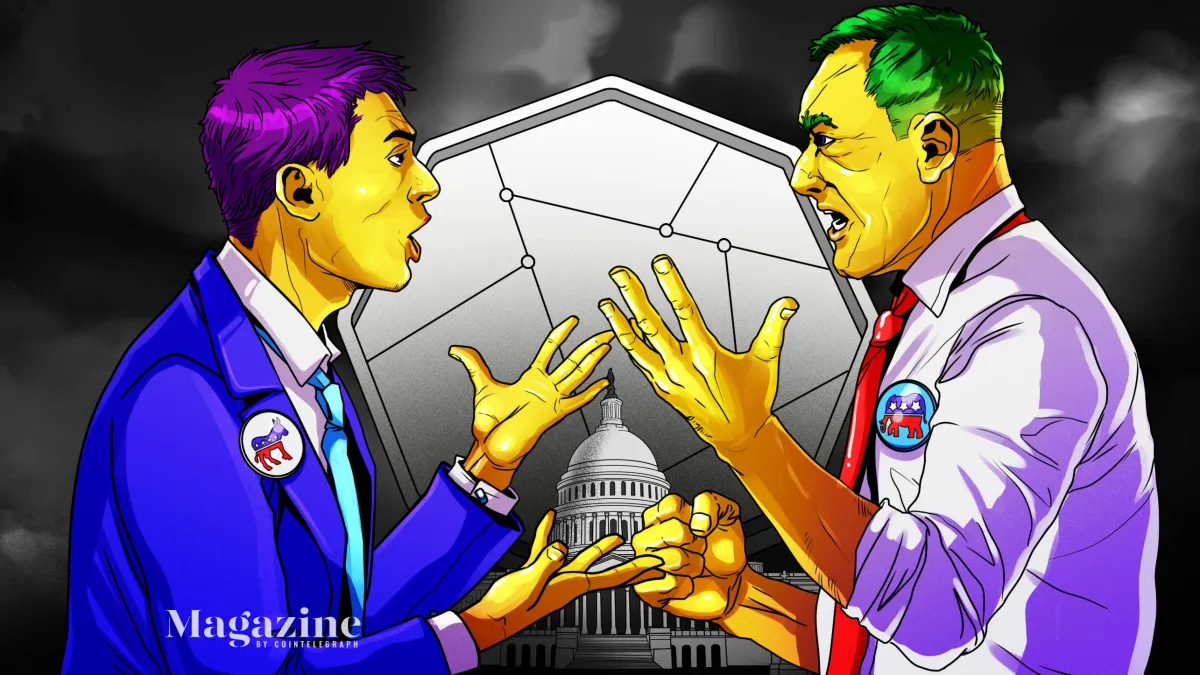
Such political crises, where compromises seem weak, can sometimes create space for extremist forces to gain strength, as indicated in a previous report titled Germany on the Brink of Democratic Crisis: Weak Compromises, Extremists Grow Stronger. Therefore, it is vital for the coalition to demonstrate strong leadership and tangible solutions.
Editorial Insight: Markus Soder's push for tax relief from the German government coalition is a shrewd political maneuver, bringing the issue of public welfare to the forefront. Failure to effectively address cold progression not only risks harming household economies but could also trigger political instability and erode governmental legitimacy. The coalition's response to this demand will be a crucial test of their commitment to fiscal justice and social stability in the years ahead.