 Robert Andrison
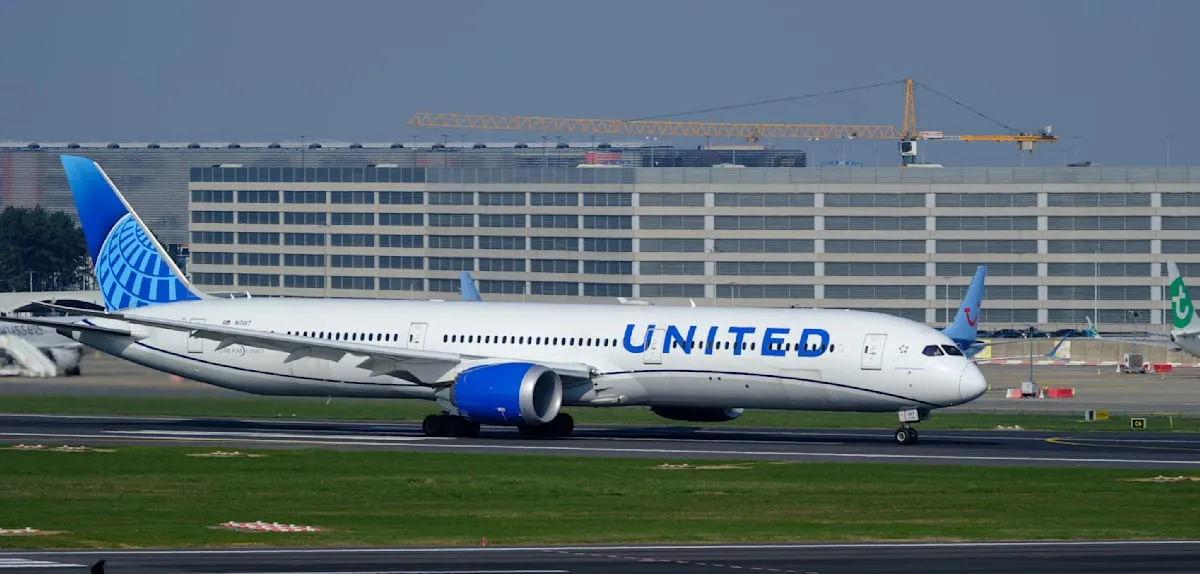
BOSTON – A United Airlines flight from Washington to Munich experienced a serious incident, necessitating an emergency landing at Logan International Airport, Boston. This event in 2026 involved a Boeing Dreamliner aircraft, a model that has repeatedly drawn public attention due to various technical malfunctions. A crack in the cockpit windshield was the primary cause of the unexpected diversion.
Flight UA198 originally departed from Washington Dulles International Airport in the morning, carrying hundreds of passengers with a final destination in Munich, Germany. However, mid-flight over the Atlantic Ocean, the cockpit crew detected a significant crack on one of the front windshield panels, triggering emergency procedures in accordance with international aviation safety protocols.
The captain promptly communicated with air traffic control, reporting the aircraft's condition and declaring the decision to divert the flight to the nearest airport with adequate facilities for emergency handling. Boston was subsequently chosen as the alternative landing location.
The entire emergency landing process proceeded smoothly and safely. Despite initial anxiety, all passengers and crew disembarked without injury. Airport authorities and security personnel responded immediately, ensuring a sterile area for initial aircraft inspection and passenger assistance.
A crack in the cockpit windshield constitutes a serious problem that could potentially compromise the structural integrity of the aircraft and pilot visibility. Although this incident did not result in fatalities or injuries, it once again highlights the issues of safety and reliability within the Boeing Dreamliner fleet, which has faced a series of reputational challenges in recent years.
The Boeing Dreamliner model, particularly the 787 series, has frequently been newsworthy due to various technical issues, ranging from battery problems that caused a global grounding years ago, to minor manufacturing defects that often forced flight delays or cancellations. This latest incident in Boston extends the list of problems that the American aerospace giant needs to address.
United Airlines, as the operating carrier, promptly took steps to ensure passenger comfort. The airline arranged temporary accommodation for passengers in Boston and provided options for onward flights to Munich as quickly as possible. Transparent communication became a priority to allay public concerns.
The United States Federal Aviation Administration (FAA) is expected to promptly launch a comprehensive investigation to determine the exact cause of this cockpit windshield crack. The inquiry will focus on the aircraft's maintenance history, environmental conditions during the incident, and the possibility of material weaknesses or structural failures.
Aviation experts emphasize that incidents of this nature, though rare, demand a swift and accurate response. Professor Andreas Schmidt from the Hamburg Institute of Aeronautics, an expert in flight safety, stated, 'Safety is the paramount priority in the aviation industry. Every crack, however minor, must be treated with utmost seriousness and requires a thorough investigation to prevent similar incidents from recurring.'
This event also has the potential to spark further discussion regarding the testing standards and material quality used in commercial aircraft, especially for models that have shown a pattern of recurring issues. The reputations of Boeing and the operating airlines will heavily depend on the response and corrective actions taken post-incident.
It is crucial for airlines and manufacturers to continuously enhance maintenance and inspection protocols to maintain public trust. This incident, though not fatal, serves as a critical reminder of the complexities and challenges in ensuring air travel remains the safest mode of transportation globally.
Concerns regarding global flight safety, particularly after several major incidents previously, make the public more sensitive to every report of aircraft malfunction. Mitigation efforts and transparency are key in addressing these challenges.
Editorial Insight:
This emergency landing incident involving the Boeing Dreamliner in Boston is more than just a news story; it's an alarm bell for the aviation industry. A recurring pattern of problems with the same aircraft type suggests fundamental issues, whether in design, production, or maintenance protocols. It is crucial for Boeing and aviation authorities to conduct not just partial investigations but a comprehensive evaluation of the entire Dreamliner fleet. Failure to thoroughly address these issues could significantly impact global consumer confidence, potentially threatening the dominance of American aircraft manufacturers in the international market. Full transparency and decisive corrective actions are the only way to restore credibility.