 Gabriella

Cologne — Cologne’s immigration authorities are currently facing a wave of sharp criticism from the conservative CDU party after allegedly refusing to provide assistance in the deportation process of several individuals, including members of large Roma families identified in recent violent incidents. This accusation of “intentional state failure” has sparked a serious debate about law enforcement and public security in Germany, especially ahead of the 2027 Regional Elections.
Members of parliament from the CDU have openly voiced their outrage, accusing Cologne’s Foreigners’ Office of deliberately obstructing law enforcement. “This is not merely negligence; it is an intentional, systematic failure,” stated Thomas Strunz, CDU Spokesperson for Internal Policy in the Nordrhein-Westfalen Regional Parliament.
The controversy escalated further because the list of individuals slated for deportation included names linked to large Roma families. Some of them had recently come under public scrutiny for their involvement in a series of serious violent acts that shook Cologne months prior, causing widespread unease among the populace. Similar cases in Cologne have previously highlighted the complexity of dealing with organized crime issues.
Federal and state authorities have worked diligently to identify and prepare for the deportation of individuals deemed security threats or those who have repeatedly violated immigration laws. They are included on the state’s “deportation list,” a process involving careful evaluation and binding court decisions.
The wave of condemnation is not limited to the CDU. Other opposition factions are also demanding transparent explanations from Cologne’s Mayor, Henriette Reker, as well as the Nordrhein-Westfalen Ministry of Interior. They question the integrity and effectiveness of local bureaucracy in maintaining public order and the rule of law.
Critics argue that this refusal to assist in deportations sends a dangerous signal to lawbreakers and could weaken overall law enforcement efforts. “The security of citizens is a top priority. When local authorities are reluctant to act, it sets a bad precedent that erodes public trust,” Strunz added.
As of the release of this news, Cologne’s Foreigners’ Office has not issued an official statement regarding the accusations. However, internal sources indicate administrative constraints and limited capacity as reasons behind the delays, an argument strongly rejected by the opposition, stating that such reasons are unacceptable for such a serious issue.
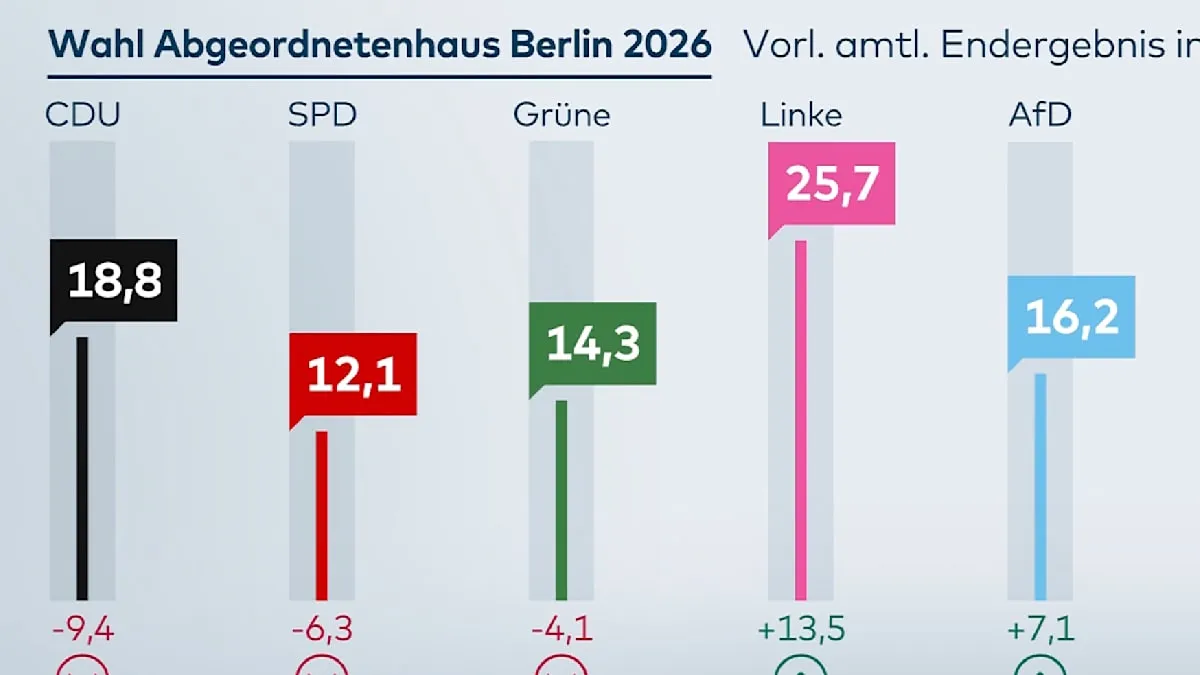
The issue of immigration and deportation has indeed been a heated topic in German politics throughout 2026. Various incidents, including increasing support for conservative parties advocating stricter policies, demonstrate public sensitivity to this matter. This Cologne case merely adds to the long list of challenges in managing migration flows and integration.
This situation in Cologne is reminiscent of several previous incidents in Germany where bureaucracy or inter-agency coordination was deemed to have failed in addressing crucial issues. This raises questions about administrative reform and the accountability of local governments in performing their functions.
Politicians and civil society groups are demanding a thorough investigation into this alleged “state failure” in Cologne. They hope this incident can serve as a momentum to review deportation procedures and ensure that every government agency fulfills its mandate for public security and order consistently.
This case has the potential to become a political boomerang for the ruling coalition in Cologne and even impact the state level. Opposition parties are likely to use this issue to rally support ahead of the upcoming Regional Elections, highlighting what they term as weaknesses in governance and citizen protection.