 Demian Sahputra

Cologne – The city of Cologne, Germany, recently made a controversial decision that sparked intense debate regarding migration policy and the country’s asylum system. According to a report by Kölner Stadtanzeiger, city authorities surprisingly rejected an offer of support from the federal state of North Rhine-Westphalia (NRW) to deport approximately 500 individuals who are obligated to leave the country. Instead of forced expulsion, Cologne opted for a path of social integration by deploying social workers to assist the immigrants.
This rejection marks a departure from the general strategy of the federal government and most federal states in handling the issue of immigrants whose residence permits have expired. Cologne’s decision raises profound questions about coordination between local and central governments, as well as the overall effectiveness of Germany’s asylum system.
Cologne’s proactive step to focus on social integration is seen as a humane effort, yet it also exposes gaps in national policy implementation. Critics argue that this highlights what they term the “dysfunctionality of the asylum system” in Germany, a sentiment that has resonated across various political circles.
The NRW government had previously allocated resources and personnel to assist in the forced repatriation process of these hundreds of immigrants to their home countries. However, this offer was explicitly rejected by the Cologne city administration, which insisted on a social support-based approach.
Cologne officials reasoned that the deployment of social workers and integration programs would yield more sustainable and humane long-term solutions. They believe that by investing in integration, the risks of re-criminalization or other social problems can be minimized, while providing a second chance for the individuals concerned.
This policy also sparked mixed reactions from the public. While some human rights groups and immigrant support organizations welcomed Cologne’s move, others voiced concerns about the precedent that might be set and the implications for immigration law enforcement.
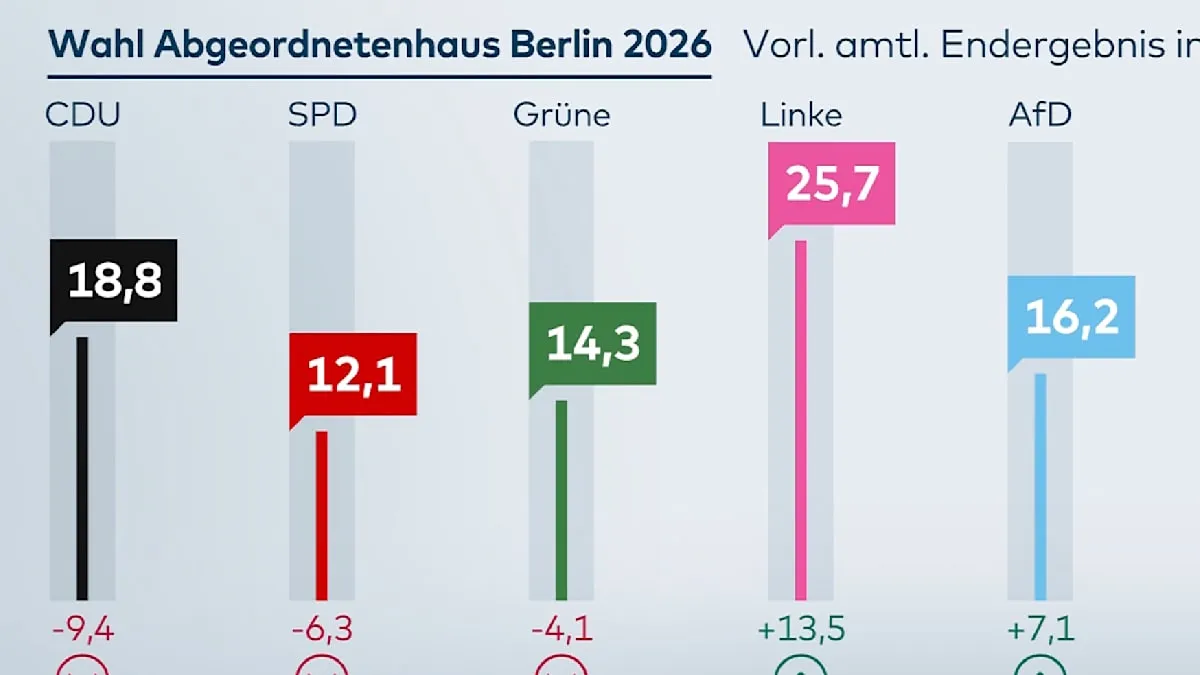
The debate over immigration policy in Germany never truly subsides. In 2026, this issue remains one of the most sensitive topics, often fueling far-right parties advocating for stricter policies. Our news pages have previously covered how the AfD’s strength surged amid this debate, indicating growing anti-immigrant sentiment.
The financial consequences of this decision are also under scrutiny. Social integration and providing support for 500 individuals undoubtedly require significant budget allocation, which may differ from the operational costs of deportation. This adds a burden to already tight city budgets, prompting questions about fiscal priorities.
Legal and public policy experts in Germany are now analyzing the long-term impact of Cologne’s policy. They are weighing whether this will become a model for other cities or instead trigger a consolidation of deportation efforts at the state and federal levels, creating inconsistencies in immigration management.
This situation overtly demonstrates the philosophical tension between local humanitarian approaches and broader immigration regulation enforcement. Cologne, through its decision, has positioned itself as a pioneer in the integration narrative, but at the same time, has opened a Pandora’s box of larger policy debates about the future of asylum systems in Europe.
Editorial Insight: Cologne’s decision to prioritize integration over the deportation of hundreds of immigrants is a bold move that challenges the status quo. This action not only tests the limits of local autonomy in federal policy but also forces deep reflection on the goals and effectiveness of Germany’s asylum system. If successful, Cologne’s approach could become a humanitarian model; however, if it fails, it risks deepening political polarization and complicating national migration management. This is a real test of Germany’s capacity to balance humanity with the rule of law.