 Angel Doris
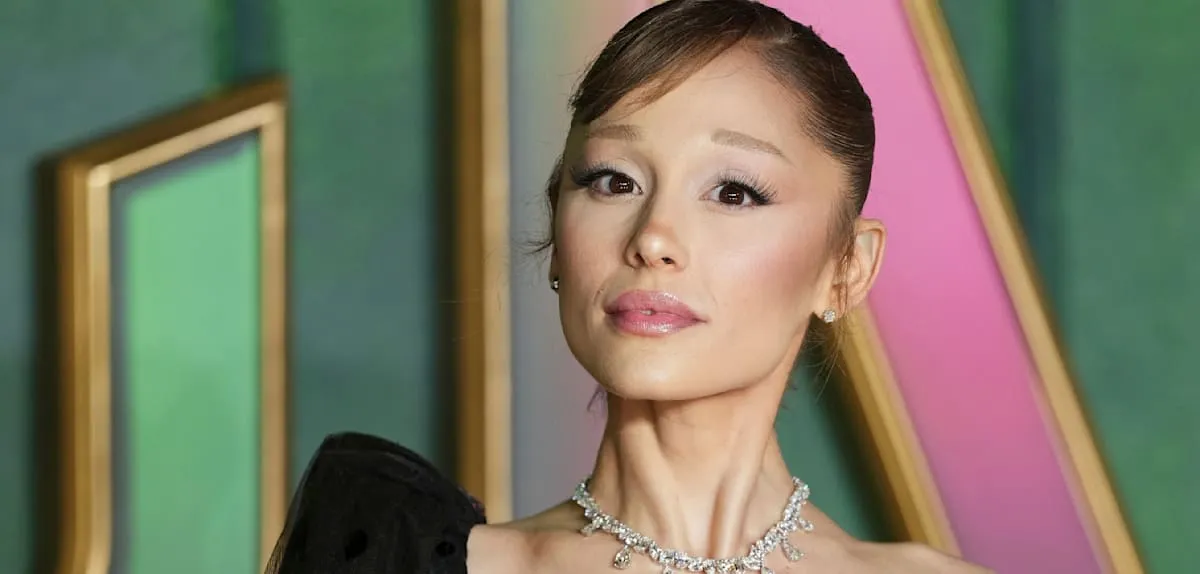
LOS ANGELES — Pop star Ariana Grande, 33, unexpectedly announced her withdrawal from public life in 2026, following a relentless barrage of pressure and ‘bodyshaming’ regarding her weight changes. This decision comes after months of intense speculation and debate on social media and news platforms about her appearance. This situation highlights the toxic impact of celebrity culture on mental health.
According to a statement from her management team, this withdrawal is temporary, aimed at giving Ariana Grande space to focus on her personal well-being and mental health, which have been significantly affected. “This was a difficult decision, but essential for Ariana to prioritize herself after facing a cruel wave of negative comments,” quoted her spokesperson, who preferred not to be named.
Since early 2026, the debate surrounding the ‘Thank U, Next’ singer’s body shape has indeed intensified. Fans and social media observers openly discussed her physical appearance, many of which were judgmental and demeaning. This phenomenon, known as ‘bodyshaming,’ has long been a crucial issue in the entertainment industry.
Ariana Grande herself has repeatedly voiced her complaints about this pressure, even through posts on her personal social media in mid-2025. She urged the public to be more empathetic and not to speculate about someone’s health or body shape, because ‘we never know what others are going through’.
However, her plea seemed to drown in the clamor of negative comments. The debate continued, sparking widespread discussion about the unrealistic beauty standards imposed on public figures. Many argue that celebrities, like Ariana Grande, are victims of often inhumane societal expectations.
Celebrity psychologist, Dr. Anya Sharma, commented on the situation, “Constant pressure to conform to a certain image can be incredibly damaging to one’s psyche. A withdrawal like Ariana’s is a valid and sometimes necessary self-defense mechanism for healing.” Her statement underscores the complexity of challenges faced by public figures.
The music and entertainment world received Ariana’s decision with mixed responses. Most fellow celebrities expressed full support, emphasizing the importance of mental health over career. However, there were also concerns from record labels regarding the potential impact on her music projects planned for late 2026.
Loyal fans, known as Arianators, launched a massive support campaign on social media with hashtags #WeLoveYouAriana and #ProtectAriana. They condemned ‘bodyshaming’ and urged the online community to be more positive and wise in their comments.
This surprising decision from a 33-year-old megastar like Ariana Grande serves as a poignant reminder that global fame comes at a steep price. Her case reopens the debate about the responsibility of media and audiences in creating a healthier environment for artists.
This is not the first time a major celebrity has taken a break from the public eye for similar reasons. However, Ariana Grande’s case in 2026 demonstrates that ‘bodyshaming’ remains a real threat that can shake even the brightest stars. The public hopes she will return with renewed vigor after regaining her peace.