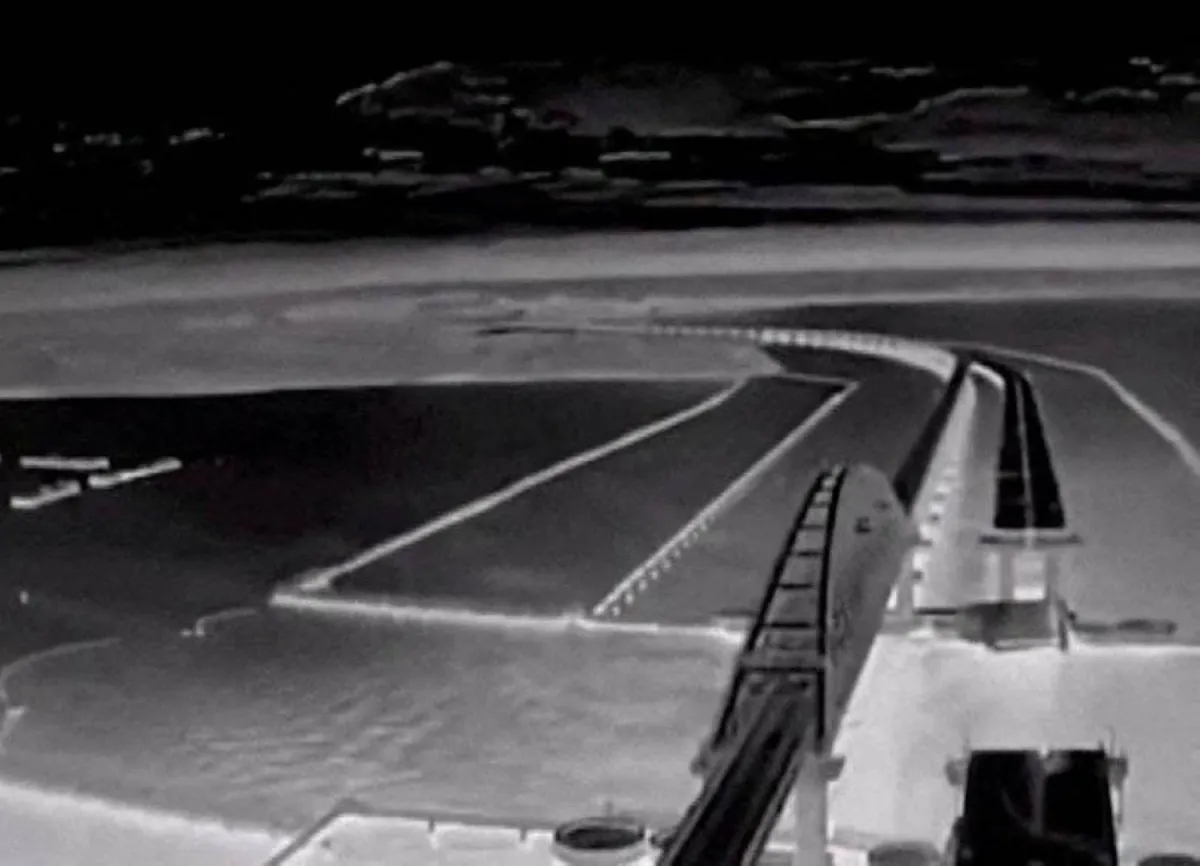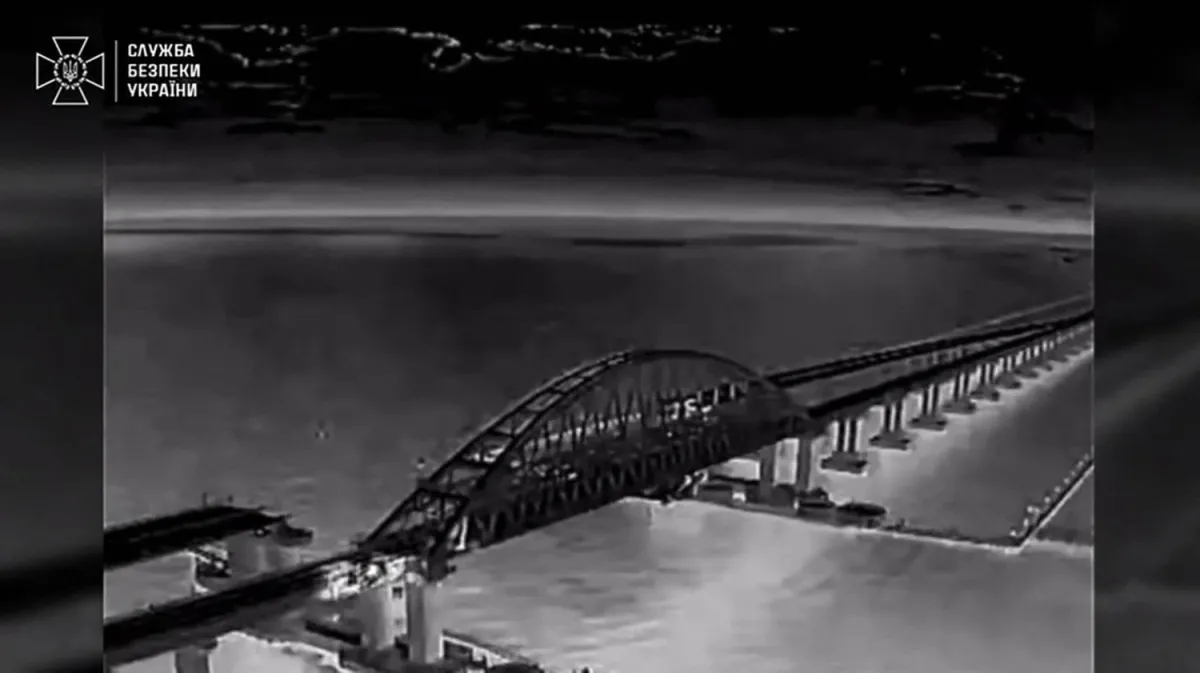
MOSCOW – The Crimea Bridge, a critical symbol of Russian President Vladimir Putin's power and a vital supply route for the peninsula's annexation, has once again been targeted in an attack. A high-ranking Russian official confirmed the incident recently, raising serious questions about the security of strategic infrastructure and the potential for conflict escalation in the region.
This incident is not the first time the Crimea Bridge has become a target in the increasingly tense geopolitical landscape. Grandly opened by President Putin in 2018, the 19-kilometer bridge serves as a physical manifestation of Russia's claim over Crimea, internationally recognized as Ukrainian territory.
The bridge structure, connecting mainland Russia with the Crimean Peninsula via the Kerch Strait, serves a dual purpose: as a civilian transport route and, more crucially, as a primary logistical artery for Russian military forces operating in occupied southern Ukraine. Disruptions to this bridge carry significant strategic implications.
The attack underscores the vulnerability of critical infrastructure amid the prolonged conflict. While details regarding the type of attack and the extent of the damage are still under investigation, Russian authorities have indicated serious impacts requiring immediate attention.
The vulnerability of the Crimea Bridge has been a focal point since the full-scale conflict erupted. Every attack on this bridge aims not only to damage Russia's logistical capabilities but also to deliver a symbolic blow to the Kremlin's narrative of power and control over the annexed territory.
Several international geopolitical analysts view this attack as a firm response to the continued occupation of Crimea and Russia's efforts to consolidate control. Sources in Kyiv, while not directly claiming responsibility, have often stated that Crimea is Ukrainian territory that will be reclaimed.
This event could trigger a more intense military response from Russia. In previous attack incidents, the Kremlin has vowed harsh retaliation, targeting civilian and military infrastructure in Ukrainian territory. Concerns about a spiral of escalation are thus increasing.
Security conditions in the Black Sea and the Kerch Strait, a strategic maritime route, are likely to be further tightened. This could potentially worsen the situation for commercial shipping and deepen tensions between Russia and Black Sea littoral states.
Nevertheless, the long-term implications of this attack remain to be seen. Whether this will trigger more serious negotiations or instead push both sides into a more brutal confrontation, time will tell. The world continues to watch with apprehension the developments in this region of paramount interest.
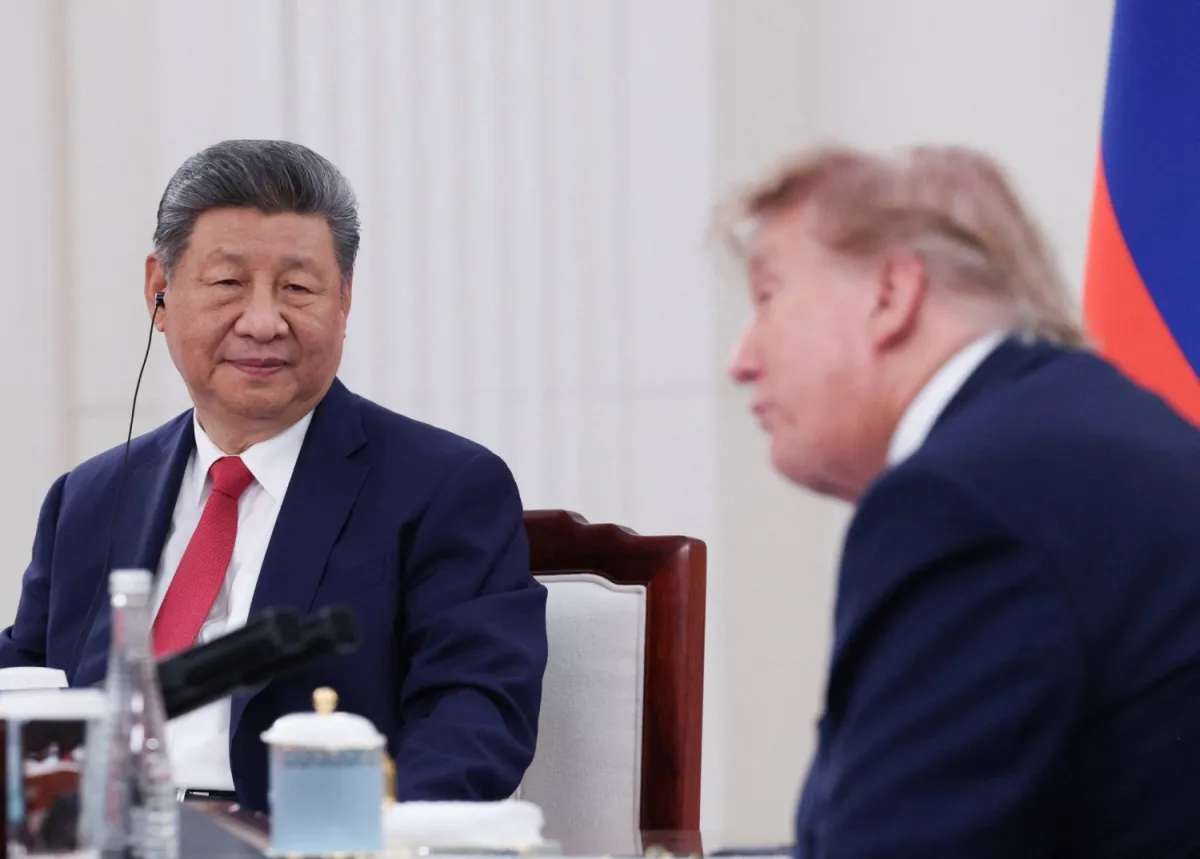
The attack on the Crimea Bridge also re-highlights the importance of dialogue for global stability, an issue often discussed in international forums, including when President Donald Trump recently raised nuclear issues at a crucial summit, as reported by Cognitodaily.com. Regional and global security issues are indeed closely intertwined.
Editorial Insight:
The attack on the Crimea Bridge is more than just a military incident; it is a powerful political statement. As an icon of Putin's authority over Crimea, any damage to this bridge sends a message that Russia's claims in the territory are insecure and can be challenged. The success of the attack, regardless of its scale, can affect the morale of Russian forces and public perception at home, while strengthening the resolve of the opposing side. The conflict in Ukraine, now in its fourth year, clearly shows no signs of abating, continuing to seek ways to push the adversary's red lines.