 Angela Stefani
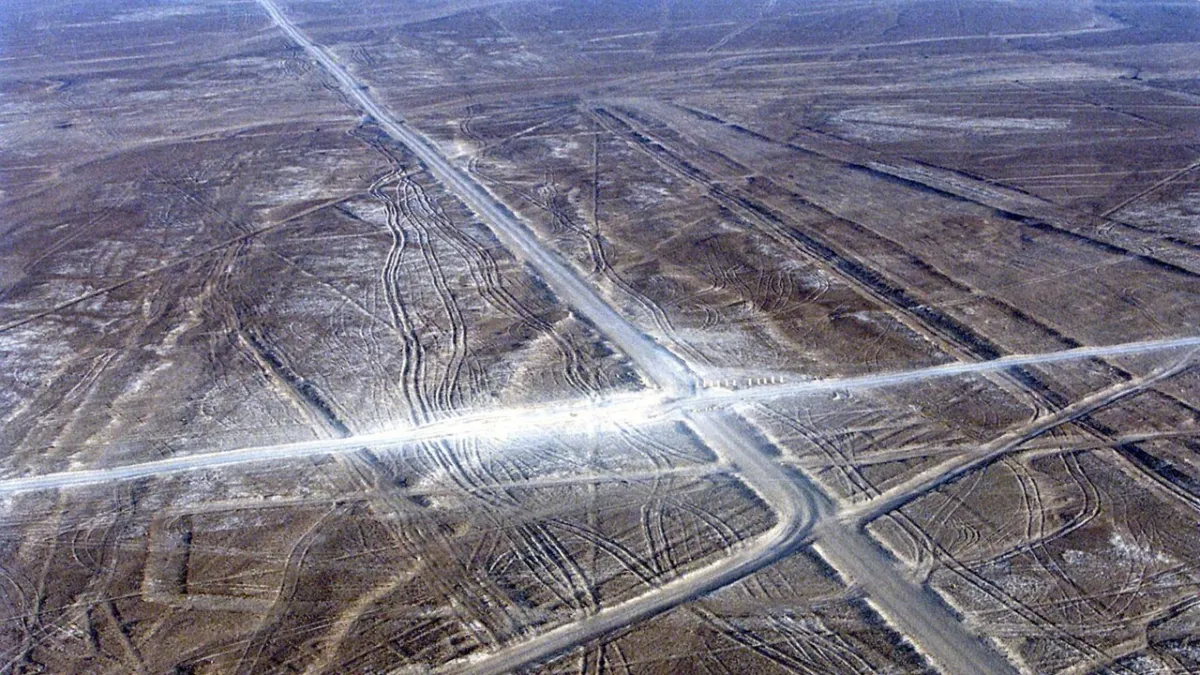
NAZCA — Seven Italian tourists perished in a tragic small aircraft accident over Peru in early 2026. This heartbreaking incident occurred as the plane was flying over the iconic Nazca Lines, a UNESCO World Heritage site. Initial investigations suggest strong gusts of wind as a primary contributing factor to this air tragedy, shaking the tourism sector and causing profound grief in both nations.
The ill-fated aircraft, part of a popular aerial tour fleet operating over the Nazca desert landscape, was carrying tourists to view the ancient geoglyphs that are only clearly visible from high altitudes. Peruvian civil aviation authorities quickly confirmed the plane's crash, resulting in the loss of all passengers and crew members.
The victims, all Italian nationals, were enjoying their holiday exploring archaeological wonders. The Italian Embassy in Lima immediately activated emergency protocols to manage the identification and repatriation of the remains, as well as to provide support to the grieving families. This tragedy has become a serious concern for the Italian government.
A spokesperson for Peru's Ministry of Transport stated, “We are conducting a thorough investigation to precisely understand what transpired. Preliminary data from the black box and eyewitness reports on the ground point to extreme weather conditions, particularly sudden strong winds, as a trigger. Our priority is clarity and future prevention.”
The Nazca Lines, while renowned for their beauty and historical mystery, sometimes experience unpredictable weather conditions, especially whirlwinds that can endanger small aircraft flights. Local meteorology experts have frequently warned about drastic changes in wind patterns in the region.
Rescue and forensic teams, supported by local security forces, worked tirelessly at the remote crash site to collect evidence and identify the victims. This process was slow given the difficult terrain and the widely scattered wreckage.
The Peruvian government has extended its deepest condolences to the victims' families and the Italian government. The President of Peru, in his statement, affirmed his commitment to ensuring tourist safety and vowed to review all tourist flight safety procedures. Italian Prime Minister Giorgia Meloni has also expressed profound sorrow over the incident.
The aerial tourism sector at the Nazca Lines has long been a major attraction, but incidents like this once again raise the issue of safety standards. Although fatal accidents are rare, each incident serves as a stark reminder of the inherent risks of low-altitude flights in small aircraft.
Following this tragedy, several tour operators reportedly suspended their flights temporarily. Authorities are expected to soon announce a comprehensive review of flight licenses, aircraft airworthiness, and pilot training for operations in the region. Increased oversight has become an urgent necessity.
This event also reignited the debate about the need for stricter emergency protocols and more advanced weather warning systems for tourist flights in vulnerable regions. Much like the Bologna station tragedy, which recalled Italy's grief, this accident is another bitter reminder of life's fragility.
The impact of this tragedy is felt not only by the victims' families but also by Peru's tourism industry. A potential decline in tourist numbers, especially from Europe, is a realistic concern. Efforts to restore public confidence in the safety of tourist destinations must be undertaken immediately.
Civil aviation authorities have established a multinational investigation team involving experts from Italy to ensure transparency and accountability. The final results of the investigation are expected to provide concrete recommendations to prevent the recurrence of similar incidents in the future.