 Chris Robert
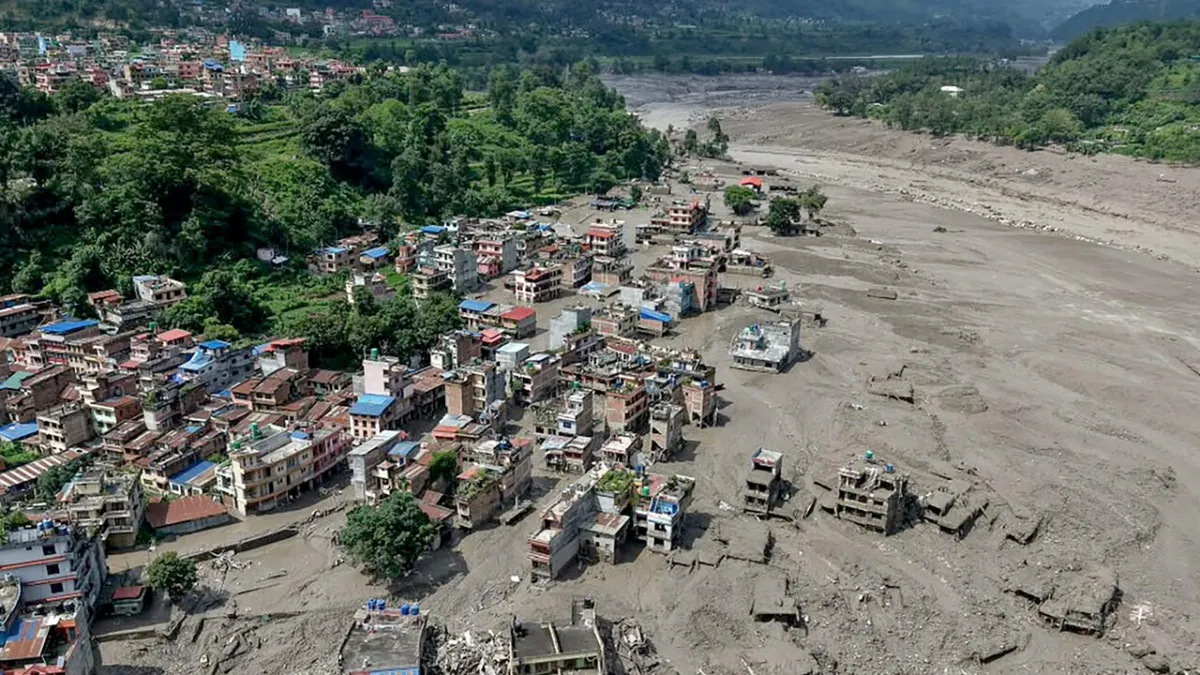
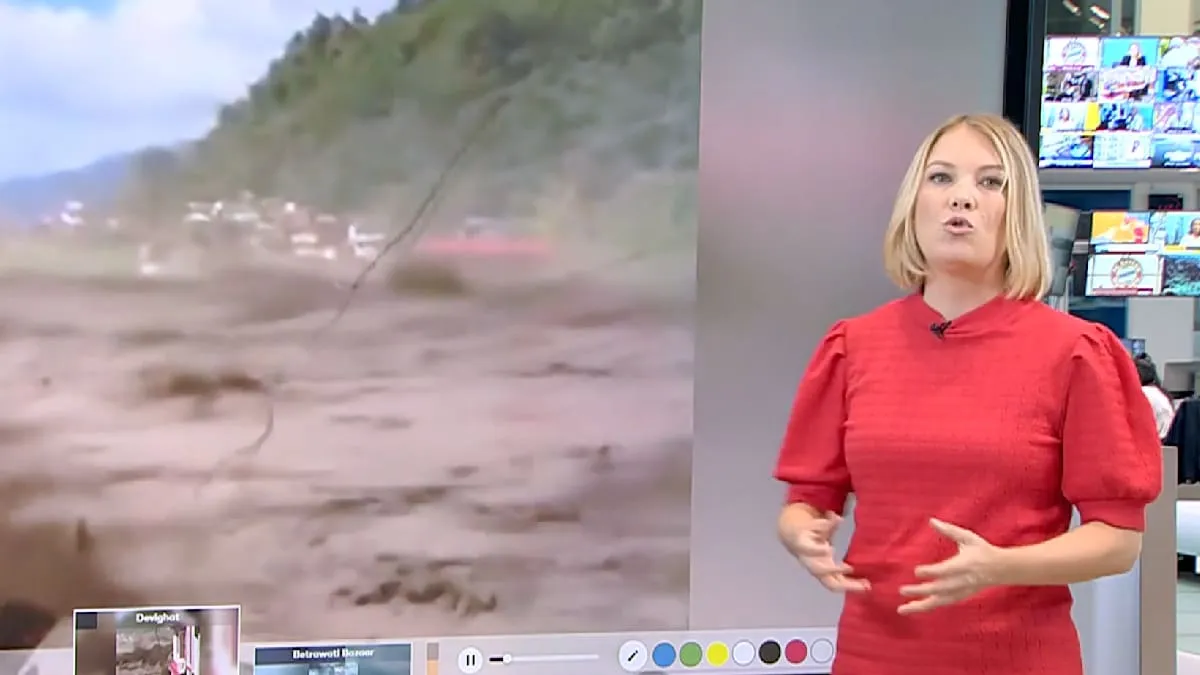
KATHMANDU – Devastating flash floods and landslides struck the Rasuwa district on the border of Nepal and Tibet in 2026, killing at least 22 people and leaving 291 foreign nationals missing. This tragic incident triggered a massive emergency response from the Nepalese and Chinese governments, with global pressure to expedite search and rescue operations amidst challenging terrain.
The Rasuwa district, known for its extreme mountainous terrain, experienced exceptionally heavy rainfall that triggered this disaster. Remote villages and popular trekking routes in the region are now completely isolated, hindering access for rescue teams and complicating evacuations.
A swift response came from China. President Xi Jinping immediately activated all maximum aid resources, demonstrating Chinas seriousness in addressing this cross-border disaster. Close coordination efforts with Nepalese authorities are crucial to ensuring the effectiveness of search and rescue operations.
The Italian Ministry of Foreign Affairs, Farnesina, confirmed the presence of approximately 90 Italian citizens in the disaster-affected area. Italys top priority is currently to ensure the safety of its citizens and to initiate the identification and evacuation process as quickly as possible.
Extremely challenging geographical conditions, unpredictable weather, and severe damage to communication infrastructure are major obstacles to rescue operations. Although helicopters and ground teams have been deployed, their reach remains limited due to the difficult terrain.
Humanitarian organizations are beginning to voice serious concerns about a potential food and health crisis in remote areas that have lost access. Urgent logistical aid and medical supplies are desperately needed for isolated survivors.
This disaster recalls previous flash floods that hit Nepal, again demonstrating the regions geographical vulnerability to extreme natural phenomena. Climate change is seen as exacerbating the frequency and intensity of similar disasters.
A number of neighboring countries and global powers have expressed their readiness to provide assistance, both in terms of logistics, expert search and rescue personnel, and financial support for recovery efforts.
Beyond focusing on rescue and emergency aid, the Nepalese and Chinese governments need to design more comprehensive long-term disaster mitigation strategies. Building disaster-resilient infrastructure and early warning systems is essential in this vulnerable mountainous region.
Editorial Insight: The Rasuwa disaster once again highlights the urgency of regional cooperation in managing cross-border natural calamities. The scale of casualties and the disappearance of hundreds of foreign nationals indicate that mitigation preparedness and emergency response are not yet fully adequate to cope with the increasingly extreme impacts of climate change. President Xi Jinpings commitment to deploying maximum resources is a positive step, but its effectiveness will heavily depend on synchronization with Nepalese authorities and coordinated international assistance to prevent further losses.