 Dorry Archiles
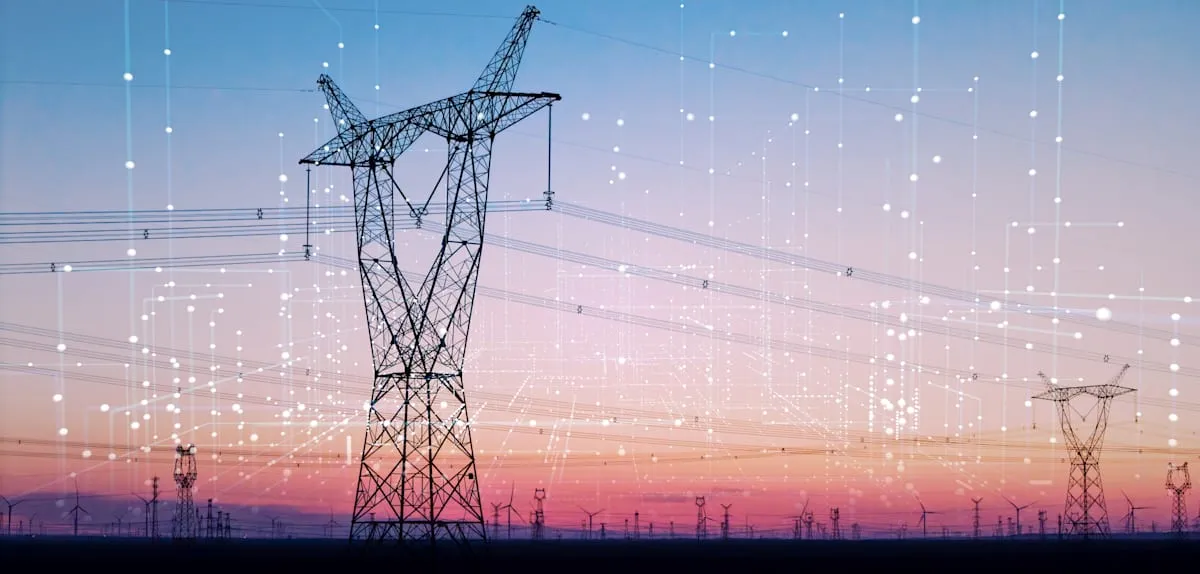
BERLIN – Electricity consumers in Germany face a paradoxical reality as the turn of 2026 approaches. Although the federal government has reduced the electricity tax (Stromsteuer) to the European minimum, a significant number of basic suppliers have, contrary to expectations, announced substantial price increases. This phenomenon sparks public concern regarding the escalating cost of living amidst efforts to provide relief.
The reduction in electricity tax is part of the government's policy to curb inflation and support the purchasing power of the populace. European Union regulations set a minimum tax threshold, and Germany is now leveraging this to offer 'assistance' to its citizens. However, the reality on the ground significantly differs from initial expectations.
Millions of households and businesses across Germany are the most directly affected by this energy price dynamic. Those who hoped for relief are now forced to meticulously consider the most efficient tariff solutions to prevent their bills from soaring.
These tariff changes become effective at the beginning of 2026, coinciding with the implementation of the new tax policy. Price increase notifications from various suppliers began circulating since the end of the previous year, leaving consumers with limited time to evaluate their options.
Many energy providers justify these price increases by citing rising operational costs, infrastructure investments, and instability in the global energy market. Although the government reduced the tax burden, other components in the electricity price structure – such as network fees and energy procurement costs – have surged dramatically.
The German government previously hoped that the electricity tax reduction would be directly reflected in consumer bills, providing a much-needed economic stimulus. However, this policy appears to be utilized by suppliers to rebalance their financial sheets, which have been pressured by various external factors.
According to the latest data from the energy regulatory authority, over half of the country's basic suppliers have announced tariff adjustments. The average increase ranges between 5 to 15 percent, depending on the region and provider. This figure effectively negates the benefits of the tax reduction.
Economic experts highlight that the energy market in Germany is highly competitive, yet also vulnerable to global gas and coal price fluctuations. Furthermore, the transition towards renewable energy requires substantial investments that can ultimately be passed on to consumers.
The German Ministry of Economic Affairs and Climate Action states it will continue to monitor the situation closely. They urge consumers to proactively compare tariffs and not hesitate to switch providers if they find a better offer. Price transparency is key in navigating this uncertain situation.
Several consumer associations have even launched educational campaigns to help the public understand electricity bill structures and how to identify the most advantageous tariffs. Choosing contracts with fixed prices (Festpreistarif) or dynamic tariffs (Dynamischer Tarif) becomes an important consideration.
Criticism has emerged from various parties, including opposition parties, who argue that the government's policy has not been effective in protecting consumer purchasing power. They call for further intervention to ensure that tax relief genuinely benefits citizens, rather than merely becoming corporate profits for energy companies.
Nevertheless, opportunities for savings remain open for discerning consumers. Online price comparison platforms offer convenience in finding the best deals. Switching electricity providers can result in significant annual savings, although it requires a small administrative effort.
The government is also evaluating additional long-term measures to stabilize energy prices, including direct subsidies for low-income households or price cap mechanisms. However, the details of their implementation are still under intensive discussion.
Editorial Insight: This situation illustrates the complexity of energy policy amidst global economic pressures and the green transition. The electricity tax reduction, intended to alleviate burdens, backfired when misused or eroded by fundamental increases in suppliers' operational costs. The German government needs to re-evaluate its price control mechanisms or provide more direct incentives to ensure that policy benefits truly reach consumers, not just become statistics on paper. The biggest challenge is balancing the sustainability of the energy sector with the purchasing power of the populace.