 Dodi Irawan
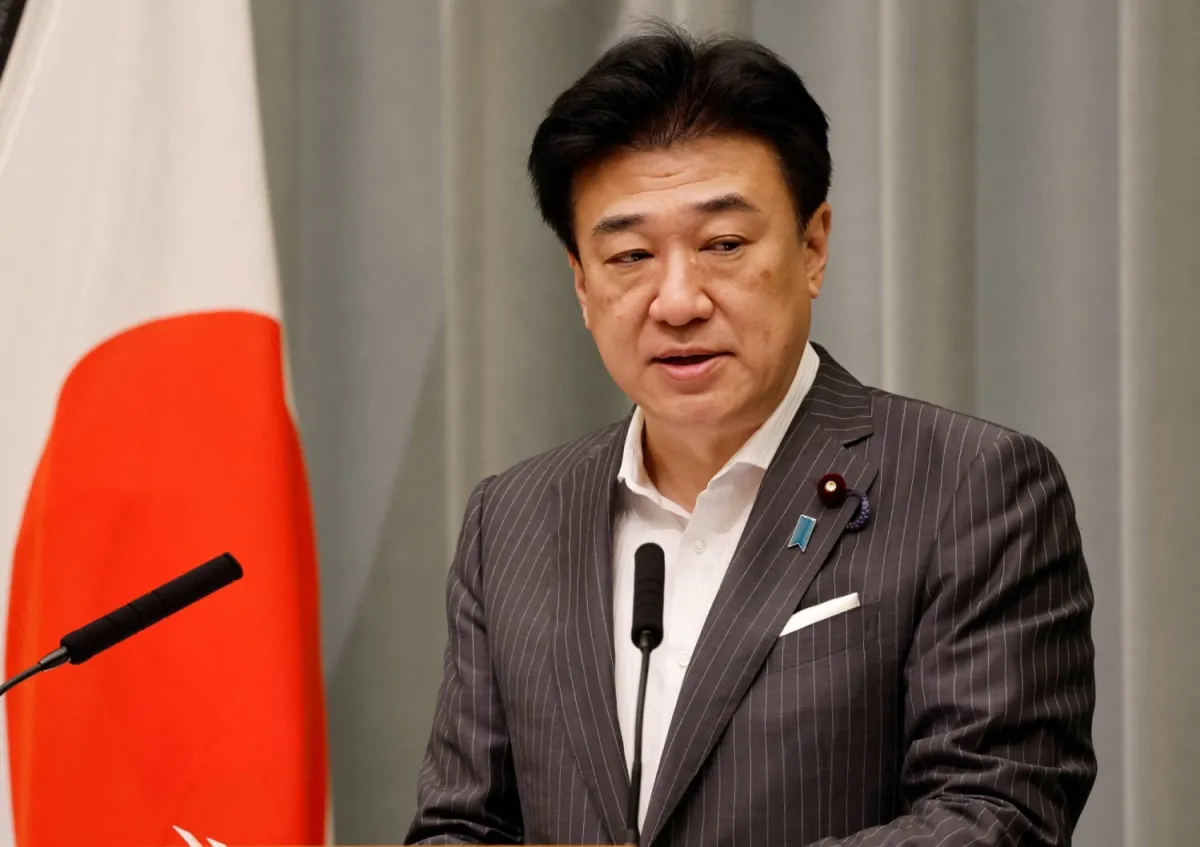
TOKYO – The Japanese government has taken an unusual step, recruiting a number of celebrities and social media influencers to campaign for the nation's defense buildup. This decision comes as a response to the government's failure to craft a cohesive and compelling national narrative explaining the urgency of military strengthening amid evolving regional geopolitics in 2026.
This policy, disclosed by internal sources within the Ministry of Defense, highlights the significant communication challenges Tokyo faces. Instead of relying on formal explanations and in-depth public dialogue, the government is now turning to a more popular, yet risky, strategy by leveraging the appeal of well-known individuals.
Japan's increased defense budget has been a hot topic in recent years. The country is committed to strengthening its military capabilities, shifting from the pacifist policy long held since World War II.
However, this policy transition has not been universally welcomed. A significant portion of Japanese citizens still firmly uphold peace principles, and a narrative linking defense to external threats has not fully permeated broader public consciousness.
We acknowledge a considerable communication gap between defense policy and public understanding, stated a senior Ministry of Defense official who requested anonymity. This strategy is an attempt to reach a younger and broader audience, who might not consume traditional news.
The recruitment of influencers and celebrities is not new in public campaigns, but its use for sensitive national security issues raises ethical and strategic questions. How can individuals without military or diplomatic backgrounds effectively convey the complexities of defense policy?
Critics argue that this approach disregards the role of traditional media and security experts. They worry that messages conveyed might be oversimplified, or even biased, for popular appeal, thereby eroding public trust in official information.
Dr. Kenji Tanaka, a professor of communication studies from Waseda University, remarked, Relying on influencers for an issue as crucial as defense is a double-edged sword. It might increase reach but potentially sacrifices the depth and credibility of the message.
Dr. Tanaka continued, The government needs to build a strong national narrative, rooted in societal values and aspirations, rather than merely borrowing temporary popularity from public figures. This is about education and dialogue, not just promotion.
The debate over Japan's role on the global military stage is intensifying. With evolving regional threats, ranging from China's maritime ambitions to North Korea's missile tests, a robust defense has become a necessity. However, domestic consensus remains key.
The government argues that influencers can help humanize aspects of defense, showcasing the human side of the armed forces and attracting young people to careers in the field. This is also seen as a way to counter misinformation circulating on digital platforms.
Nevertheless, national security experts warn that without a comprehensive communication strategy, involving open discussion and transparent explanations of threats and objectives, this effort could backfire. The public might perceive it as manipulative rather than educational.
This move also reflects a global trend where governments in various countries face difficulties in conveying complex policies to a broad audience increasingly fragmented by the digital media ecosystem.
The involved influencers are reportedly receiving significant compensation, though exact details have not been publicly disclosed. This adds further questions regarding budget allocation and government communication priorities.
The long-term effectiveness of this strategy remains to be seen. Success is not merely measured by views or social media engagement but by a profound shift in public perception and genuine support for defense policies.
Editorial Insight: The Japanese government's decision to enlist celebrities and influencers to promote its defense buildup reflects a broader strategic communication crisis. This is not merely an innovation but an indication of a fundamental failure to craft a relatable national narrative. While potentially reaching new audiences, this approach risks trivializing the complexities of national security issues and eroding public trust. The government must return to building a strong communication foundation through transparency and substantive dialogue, rather than relying on fleeting popularity.