 Angela Stefani
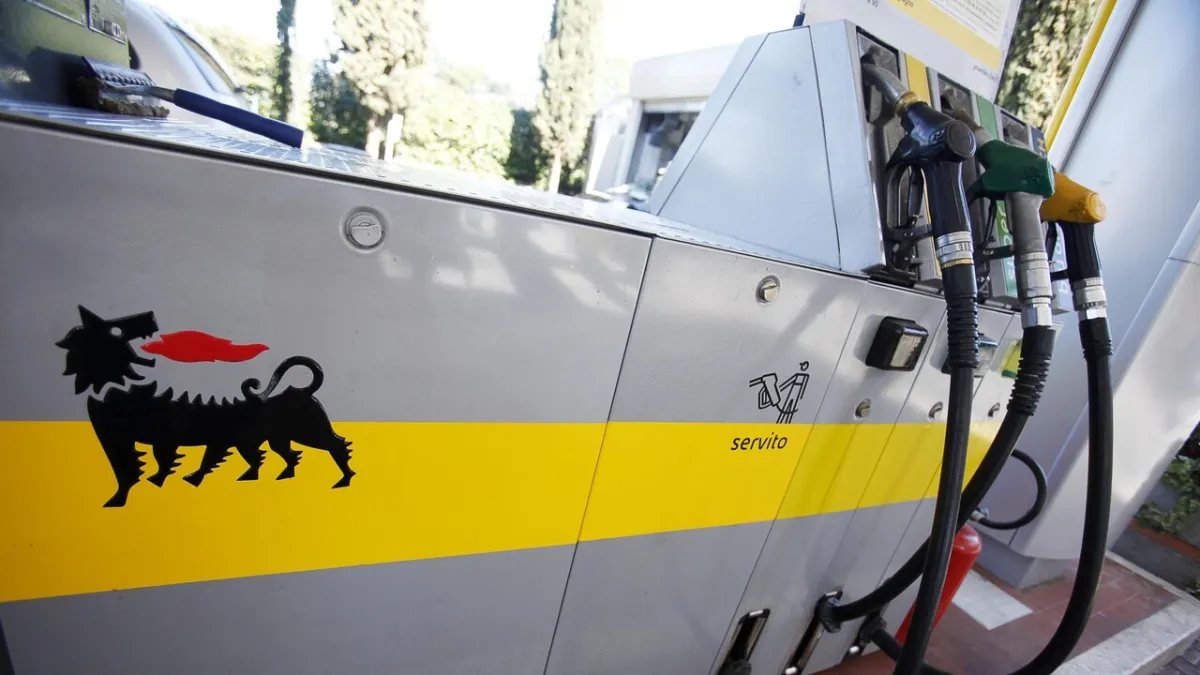
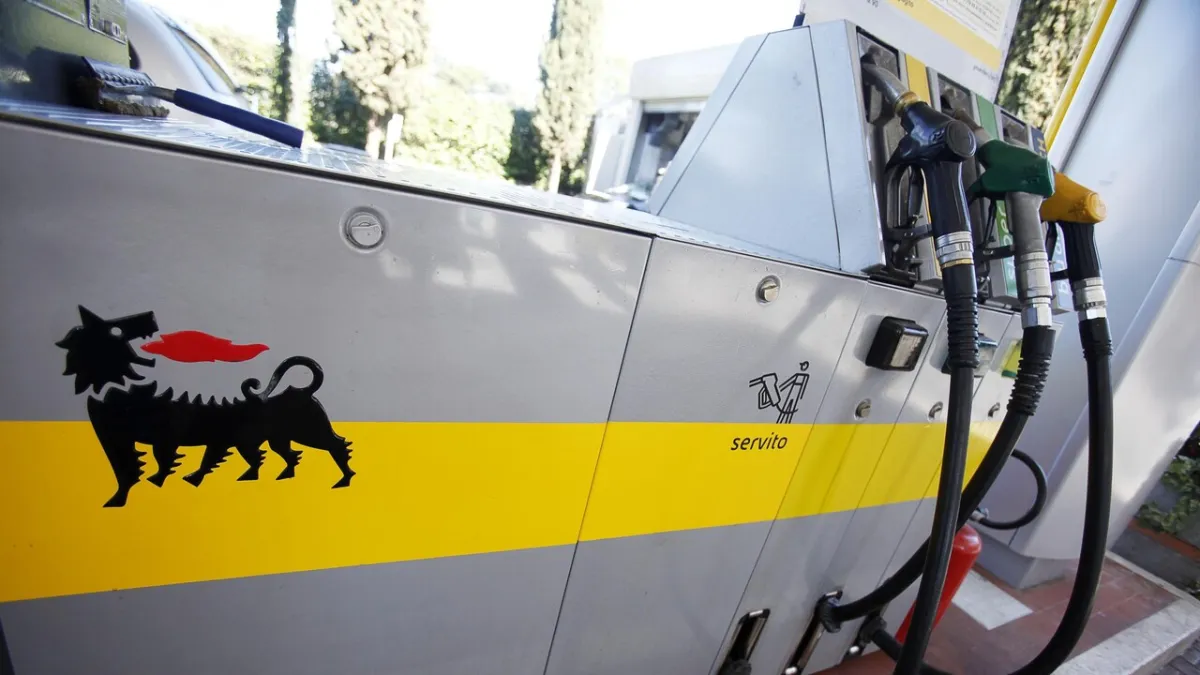
ROME – Italian energy giant Eni has taken a decisive step by implementing a price cap on diesel fuel amidst the turbulent rise in global commodity costs. This strategic decision, effective in 2026, has been positively received by the Italian government, which has been grappling with inflationary pressures and a potential energy crisis. However, a contrasting reaction has emerged from the transport sector, particularly Assotir, which is threatening a national strike.
The escalating price of diesel fuel has become a critical issue persistently burdening the Italian economy. The logistics and transport sector, heavily reliant on this fuel, is among those most severely affected. Eni's initiative to establish a price 'ceiling' is expected to stabilize the market and alleviate tensions among businesses.
The Italian government, through its spokesperson, expressed deep appreciation for Eni's policy. This move is seen as a manifestation of corporate responsibility aligned with the government's efforts to maintain economic stability and public purchasing power. 'The government is grateful for this Eni initiative,' an unnamed official stated.
On the other hand, Assotir's response, representing transport companies, is concerning. They declared that the price cap set by Eni is insufficient to ease the operational burden on their members. The threat of a strike has emerged as a form of protest against what they perceive as a partial solution to a larger problem.
This situation reflects the complex dilemma Italy faces in managing energy supply and prices. Reliance on imports, fluctuations in global crude oil prices, and sustainability demands create a challenging environment for policymakers and industry players.
Previously, the Italian government had diligently sought long-term solutions to stabilize energy prices. Subsidy policies and fiscal incentives were introduced, but their impact was still considered suboptimal in confronting international market volatility.
An urgent meeting between the government and several major oil companies in Italy was also convened. The primary agenda was to boost domestic crude oil refining capacity to meet market demand more independently and reduce reliance on imported refined products. The hope is that this increase in capacity will have a positive ripple effect on price stability.
This move by Eni is not the first in its efforts to mitigate energy price volatility. Last year, the government also welcomed a similar policy. Further information regarding fuel pricing policies in Italy can be found in the article Eni Breakthrough: Italy Now Has Fuel Price Cap, Government Grateful.
The strike threat from Assotir must be taken seriously, as the transport sector is the backbone of the economy. If a strike indeed materializes, the domino effect on supply chains and goods distribution could cripple various industrial and commercial sectors.
The government now faces the arduous task of balancing the interests of maintaining energy companies' profitability, appeasing the transport sector, and protecting consumer purchasing power. Constructive dialogue among all parties is key to avoiding a broader crisis escalation.
Editorial Insight: Eni's decision to cap diesel prices is a crucial market intervention, indicative of the immense pressure Italy is experiencing from soaring energy costs. While providing relief to the government and some consumers, Assotir's negative response underscores that partial solutions may not suffice. The real challenge lies in finding a balance between price stability and the operational sustainability of vital sectors like transport, without unduly burdening state coffers or stifling market incentives. This policy also raises questions about the role of state-owned energy companies in economic stabilization versus free market dynamics.