 Angel Doris
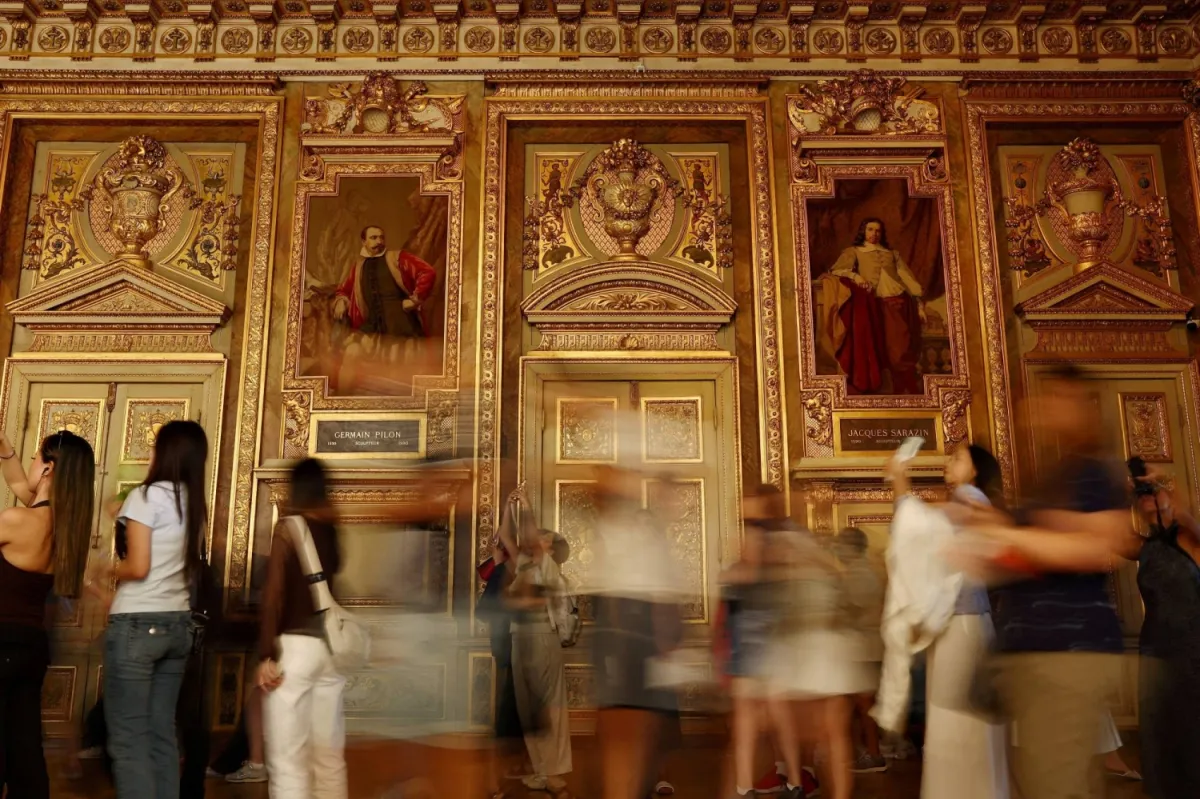
BRUSSELS – Widespread concerns are growing across Europe following a string of art thefts targeting smaller museums with limited security resources. These incidents, culminating after the audacious heist at the Louvre Museum in 2025, indicate a shift in criminal modus operandi towards more vulnerable institutions for their valuable collections.
These institutions, often housing invaluable local cultural heritage, have become easy targets due to minimal investment in advanced security systems. Unlike major galleries with colossal budgets, regional museums frequently struggle with financial limitations, making them significantly easier to breach.
Major incidents such as last year's Louvre Museum heist, despite affecting a giant institution, ironically prompted criminals to seek more accessible targets. They realized that tight security at world-class museums might be too risky, diverting attention to less prepared venues.
The collections at risk are not just iconic paintings worth billions, but also historical artifacts, ancient jewelry, rare manuscripts, and ethnographic objects that hold immense historical and cultural value for local communities. The loss of even a single item can be an irreplaceable blow to a nation's heritage.
The primary dilemma lies in balancing public access to cultural heritage with the need to protect these assets from nefarious hands. Museums are founded for education and appreciation, not merely as closed vaults inaccessible to the public.
Governments across various European countries are beginning to promote aid programs to enhance physical security. These measures include the installation of high-tech surveillance cameras, more responsive alarm systems, and comprehensive specialized security personnel training.
According to art security experts, the current modus operandi indicates more meticulous planning. Criminals often exploit internal intelligence or structural weaknesses in buildings that have gone unnoticed. Criminals are now doing deeper research; they are not just relying on luck, an unnamed Europol official stated in this context.
These security enhancements naturally burden the operational budgets of small museums. Some institutions are forced to seek additional funding through government grants, public donations, or even by reducing other educational programs and exhibitions to meet urgent security needs.
The long-term impact of this wave of thefts could erode public trust in museums' ability to protect their heritage, while also damaging Europe's image as a primary guardian of the world's cultural wealth. This sets a poor precedent for the future of cultural preservation.
This phenomenon also re-emphasizes the global challenge in combating cultural property crime. Similar to various other security issues currently facing the continent, such as those highlighted in an article on the threat of extremism in Germany, Europe faces a complex and diverse spectrum of threats.
Therefore, cross-border and inter-agency collaboration is crucial. The exchange of intelligence information and coordination of law enforcement are key to dismantling organized international art theft syndicates.
Without decisive collective action, the invaluable cultural heritage of small museums across Europe will continue to exist under the shadow of threat, potentially lost forever from public view and academic research, leaving an irreparable historical void.
Editorial Insight:
The wave of thefts targeting small museums in Europe is more than just a financial loss; it is an erosion of identity and collective memory. These museums often serve as the primary custodians of local history, and when they become vulnerable, the entire foundation of cultural heritage is at risk of crumbling. It is crucial for governments and international organizations to recognize that cultural security is not limited to major institutions but must also embrace smaller, yet equally important, entities. Increased funding, training, and the adoption of the latest security technologies are critical investments in the future of human heritage.