 Gabriella
BERLIN – A monumental capital injection of 40 billion Euros from the United Arab Emirates (UAE), equivalent to approximately 680 trillion Indonesian Rupiah, intended to revitalize German industry, is now on the brink of failure. The cause is neither market fluctuations nor geopolitics, but rather the intricate web of European Union climate regulatory bureaucracy. This vital agreement, designed to spur the German industrial sector's revival with environmentally friendly investments, risks stalling before reaching the implementation stage.
This situation highlights a paradox within EU policy: while ambitiously championing a green transition, its regulatory framework simultaneously obstructs significant investments in the very same area. Germany, as Europe's largest economy, desperately needs these fresh funds for industrial modernization and decarbonization amid increasingly complex global challenges.
Sources from the German Ministry of Economic Affairs indicate that discussions with the European Commission are proving difficult. 'We are fully committed to the EU's climate targets, but rigid, multi-layered regulations are hindering the pace of innovation and vital investments that should support this transition,' stated an official who wished to remain anonymous. The prolonged approval process, they added, creates uncertainty for investors.
The UAE investment was originally planned to support various strategic projects, including:
- Development of green hydrogen technologies.
- Expansion of renewable energy infrastructure.
- Modernization of factories to reduce carbon emissions.
- Creation of new jobs in the sustainable industrial sector.
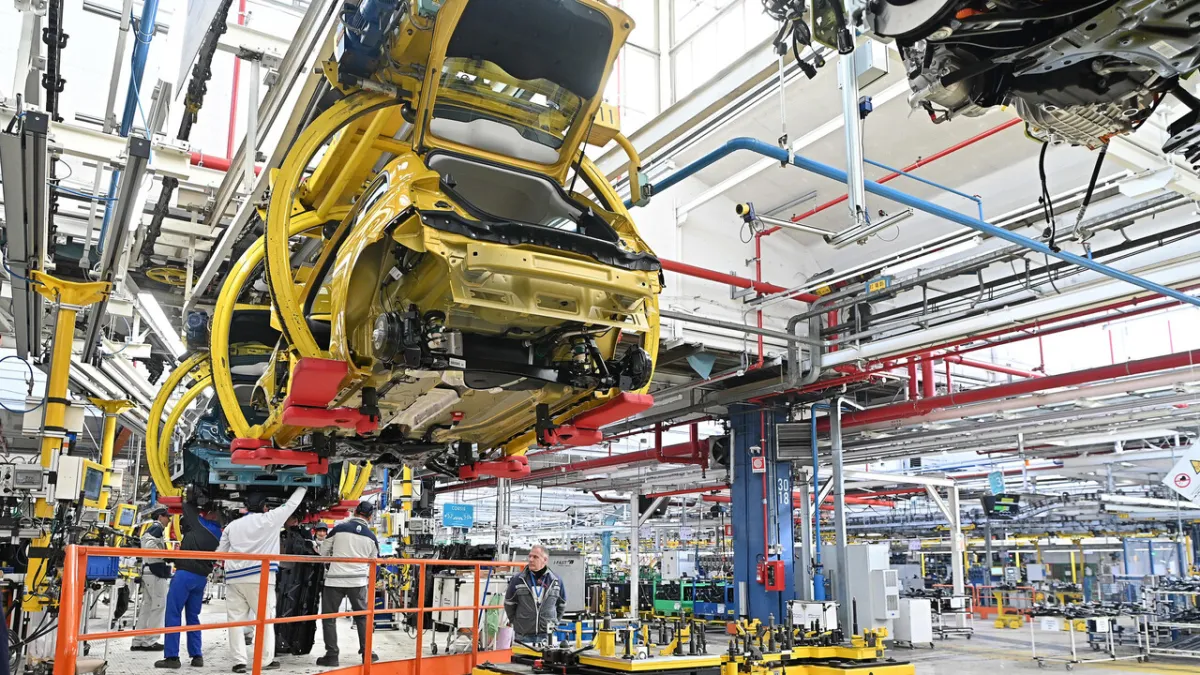
The German government, led by Chancellor Olaf Scholz, had high hopes that this investment would accelerate economic recovery following the pandemic and the energy crisis that affected Europe. As seen with Mirafiori, energy crises can cripple industrial sectors. The UAE funds are seen as a critical catalyst to propel Germany towards a carbon-neutral economy.
However, several EU rules, particularly those concerning state aid and stringent environmental standards, have emerged as major stumbling blocks. While intended to ensure fair competition and environmental protection, their implementation often creates massive administrative hurdles.
German industrial players have voiced their concerns. 'Every day of delay means lost potential for innovation and competitiveness. We need clarity and speed, not more piles of documents,' a representative of the German industrial association stated during a virtual press conference.
This situation adds to a long list of criticisms against Brussels' bureaucracy, often perceived as slow and overly interventionist. Previously, Italy also faced similar challenges regarding budget deficits and EU intervention. This raises serious questions about the effectiveness of the EU's regulatory framework in navigating a rapidly changing global economic dynamic.
Should this deal indeed fall through, the impact would not only be felt in Germany but could also send a negative signal to global investors about the complexity of investing in the EU region, even for projects supporting the green agenda. This could hinder the bloc's ambition to become a world leader in energy transition.
The German government continues to negotiate with the European Commission, hoping to find common ground that can salvage this crucial investment. The future of Germany's green industry, and much of the EU's climate ambition, now hinges on Brussels' ability to balance regulation with investment pragmatism.
Editorial Insight: The case of the €40 billion UAE investment in Germany is not merely an economic news story; it reflects a fundamental dilemma for the European Union. It's a conflict between visionary climate ambitions and a stifling bureaucratic reality. If the EU fails to streamline processes and adapt to the needs of green investment, the risk of losing growth opportunities and global competitiveness will increase significantly. This necessitates a deep re-evaluation of how green policies are implemented to ensure they are not counterproductive to their overarching goals.