 Debby Wijaya
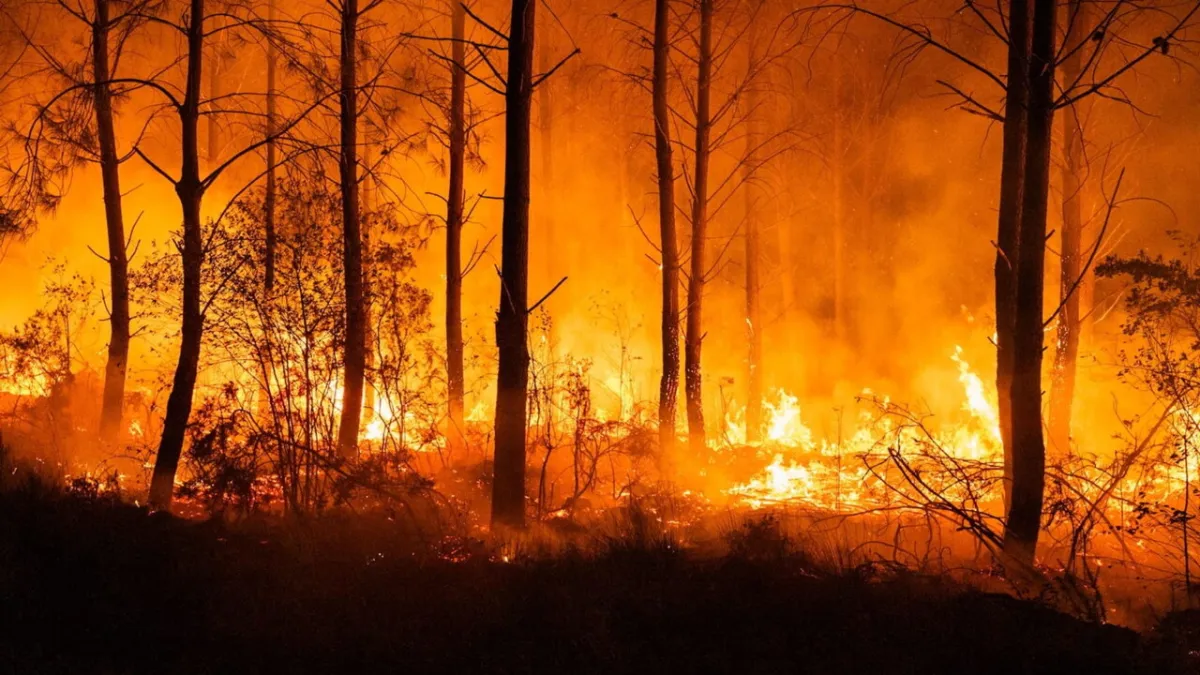
BORDEAUX — More than 220,000 residents in France and Spain were forced to evacuate in 2026 following widespread and fierce wildfires, creating an urgent humanitarian crisis amidst extreme heatwaves. The Bordeaux region of France became one of the worst-hit areas, with an additional 60,000 evacuations in recent days, exacerbating an already tense situation on the Iberian Peninsula.
The scale of this disaster underscores Europe's vulnerability to climate change, particularly as the summer of 2026 is recorded as one of the hottest in modern history. The fires devoured parched land at an alarming rate, incinerating thousands of hectares of pine forests and scrubland.
In France, local authorities confirmed that firefighting efforts had reached their limits, with hundreds of firefighters and water-bombing aircraft from various European Union member states deployed. However, strong winds and high temperatures continue to pose significant challenges, making it difficult to control newly emerging hotspots.
A similar situation unfolded in Spain, especially in border regions with France, where emergency authorities reported dozens of active fires. Thousands of villagers and tourists holidaying in the area were evacuated, leaving all their belongings behind. The Spanish government declared a state of emergency in several provinces.
The heatwave that triggered severe drought across Europe has created perfect conditions for the spread of wildfires. Climate scientists, including Professor Anna Müller from the European Climate Research Center, stated that this incident is a direct consequence of global warming. "We have observed this trend for years, and 2026 marks its peak," Müller said in a virtual press conference.
The impact of the fires is not limited to property damage and environmental destruction. Air quality in major cities hundreds of kilometers from the fire sites has also drastically deteriorated due to thick smoke. Health warnings were issued, particularly for vulnerable groups such as children and the elderly.
The French and Spanish governments are coordinating closely in disaster response efforts. Humanitarian aid has begun flowing into evacuation centers established in schools and town halls. The experience of facing large natural disasters, similar to the mass evacuation during the 4.1 Richter Quake Hits Molise, Residents Flee to Streets!, proved invaluable in managing this crisis.
Civil society has also moved swiftly to provide support. Non-profit organizations launched donation campaigns, urging the public to contribute to alleviating the burden of the victims. A spirit of solidarity is clearly visible amidst the calamity afflicting these two neighboring nations.
International observers highlight that this fire incident must serve as a valuable lesson for Europe and the world. The importance of climate change mitigation and adaptation to its impacts can no longer be underestimated. Investment in early warning systems and disaster-resilient infrastructure is crucial.
The loss of natural habitats and biodiversity due to these wildfires is also a serious concern for environmental activists. Thousands of plant and animal species are threatened with extinction, worsening already fragile ecosystems.
Despite the massive scale of the damage, the spirit to rebuild remains high. Authorities have pledged full assistance to the victims and will commence reforestation programs as soon as the fires are fully extinguished.