 Dorry Archiles
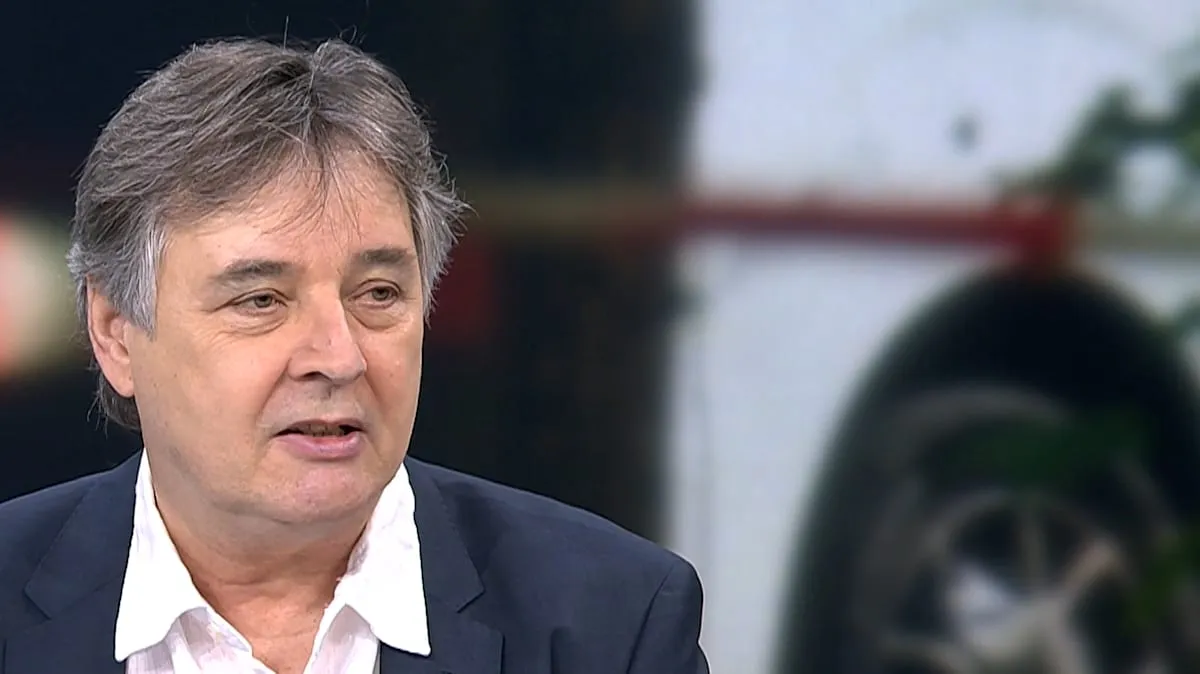
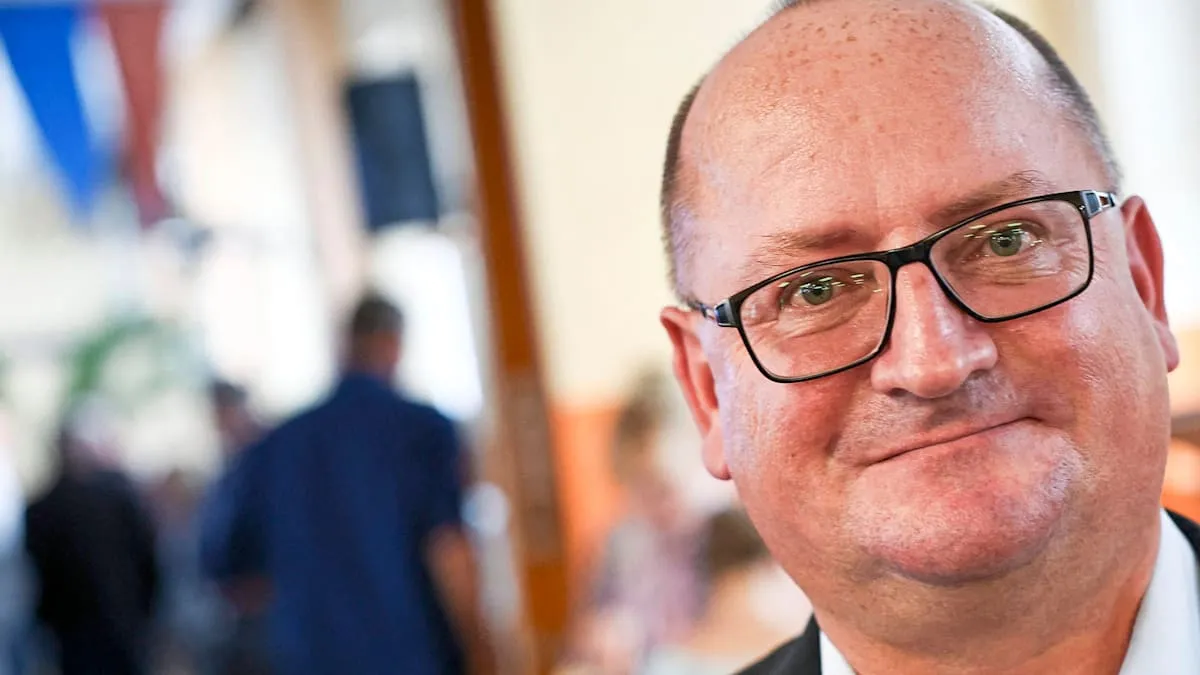
Berlin – Former Public Prosecutor General, Ralph Knispel, launched scathing criticism against the application of juvenile criminal law in Germany, particularly following the CSD attack incident. He specifically highlighted the courts' lenient interpretation of offenders' mental and social development, and the stalled legal consequences for criminals who should be deported. Knispel's statement was made during a public discussion resonating amid calls for judicial system reform in 2026.
Knispel, with two decades of experience in the national justice system, emphasized that sentencing for minors does not solely depend on chronological age. However, in his view, the court's consideration of a defendant's spiritual and social maturity often becomes a loophole that is exploited, creating disparities in law enforcement.
"Punishment also depends heavily on how a court views an individual's intellectual and social development," Knispel stated, quoting his remarks. This perspective implies significant subjectivity that can influence final verdicts, especially for perpetrators of serious crimes whose age is at the transitional boundary between juvenile and adult law.
This criticism emerges in tandem with fierce debates regarding the handling of serious criminal cases, including the Christopher Street Day (CSD) attack incident that shocked the public. Cases like this, involving juvenile offenders, often raise questions about the effectiveness and firmness of Germany's juvenile legal system.
The controversy surrounding the CSD case is increasingly relevant given previous reports about the alleged CSD terrorist, Abdul Ballout, who even attempted to influence other inmates in prison. This phenomenon underscores the urgency of reviewing decisions that might be perceived as too lenient or lacking deterrent effect. Readers can delve deeper into this report via the link Alleged CSD Terrorist Abdul Ballout Attempts to Influence Inmates in Prison.
Furthermore, Knispel also highlighted another irony in the German legal system: the lack of resolve in dealing with criminals who have been ordered for deportation. He sharply criticized the inconsistency in executing deportation orders, which results in offenders continuing to roam free or even committing repeat offenses.
"Consequences for criminals who should be deported are often not strictly enforced," Knispel explained. This situation not only creates public unrest but also erodes trust in law enforcement officials and a judicial system perceived as failing to fully protect citizens.
The former prosecutor's statement underscores the significant challenges Germany faces in balancing the principles of juvenile legal rehabilitation with the demands of justice and public safety. This discussion is essential to ensure that justice is served uncompromisingly, while also providing adequate protection for society.
Legislative and judicial bodies are expected to respond seriously to this criticism, re-evaluating the parameters for applying juvenile criminal law and tightening deportation procedures for criminals. This is not merely about punitive measures but about building a more predictive and preventive system.
The debate concerning juvenile criminal law reform and deportation enforcement is expected to remain a significant agenda in German politics and law throughout 2026, reflecting the public's desire for a more decisive and accountable justice system.