 Dorry Archiles
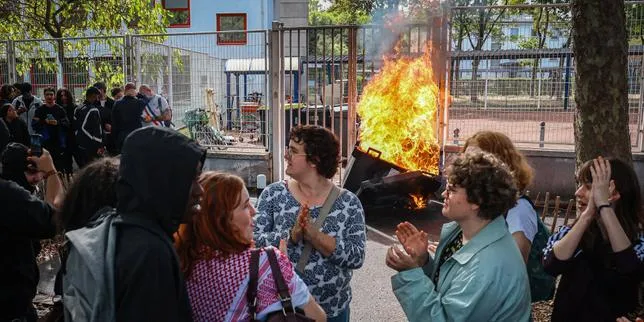
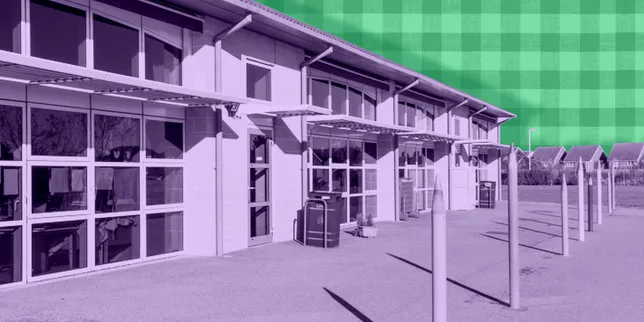
PARIS – A wave of high school blockades in France significantly expanded on Monday 2026, spreading beyond the Ile-de-France region and affecting at least 180 educational institutions. This escalation of the protest movement has sparked serious accusations of urban violence and a fierce political dispute between the government and the main opposition party, La France insoumise (LFI).
The movement, previously confined to a few points, has now spread dramatically, indicating a growing level of discontent among students and the general public. This increase in scale demands a firm response from authorities across the country.
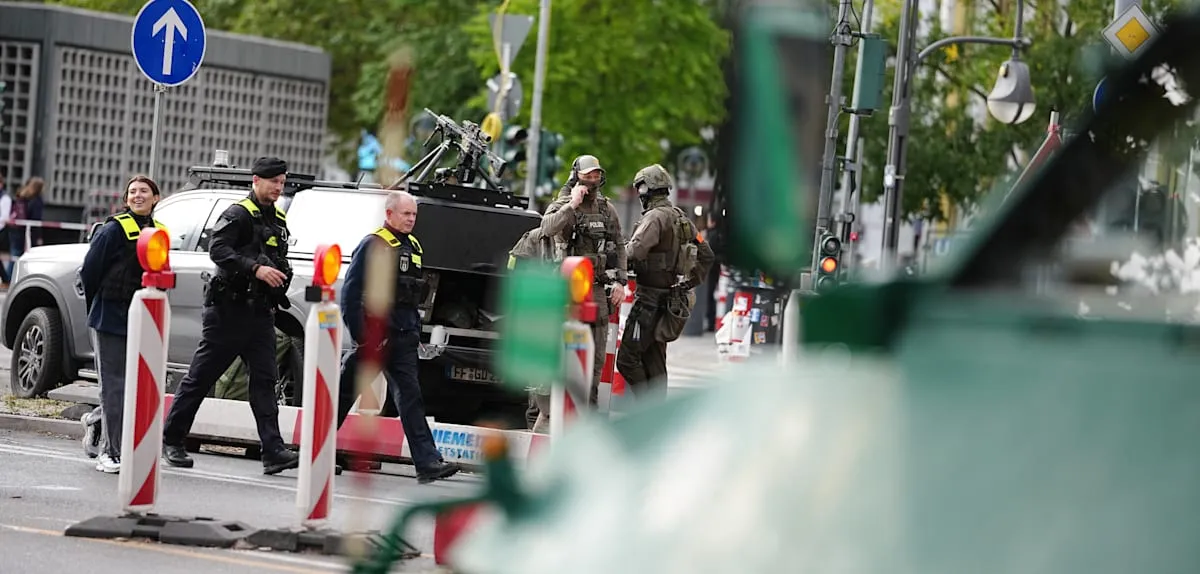
The French Ministry of Interior reported that the expansion of the blockades was accompanied by what they termed urban violence. This statement was made alongside the announcement of 164 arrests related to the incidents.
The French government has not remained silent. They have openly accused La France insoumise (LFI) of instrumentalizing this student mobilization. Such accusations suggest a view that LFI is exploiting the situation for political gain.
Jean-Luc Melenchon, the charismatic leader of LFI, quickly responded to the governments accusations. He harshly condemned the authorities actions, calling it irresponsible repression and asserting support for the rights of the demonstrators.
This situation deepens the existing political tensions in France, particularly between government policies and the radical views often championed by LFI. Each incident now becomes an arena for the battle of narratives and political legitimacy.
The spread of blockades to 180 schools is not merely a statistic; it reflects a deep-seated unrest that may stem from various issues, ranging from educational policies to broader socio-economic conditions among French youth.
The impact of this polarization could undermine social and educational stability. Learning environments are disrupted, and public trust in political institutions could further erode if the conflict continues without constructive resolution.
Incidents like these are not new in the French political landscape, where student demonstrations often serve as important barometers for gauging the temperature of public dissatisfaction. However, the scale and intensity this time indicate an escalation that warrants close attention.
Amidst all this tension, constructive dialogue becomes absolutely essential. Both sides are expected to refrain from provocative rhetoric in order to seek sustainable solutions that benefit all of French society.
Previous coverage has also highlighted similar dynamics in French politics. For reference, read our article on France in Turmoil: Lycee Blockades, Lecornu Accuses LFI, Melenchon Retaliates with Repression, which provides additional context on the political tensions in the country.
Editorial Insight: The escalation of lycee blockades and the war of nerves between the government and LFI indicate that France is facing serious challenges in managing public discontent. Without a more inclusive approach that seeks the root causes, rather than merely a repressive response, this conflict risks snowballing, threatening social cohesion and governmental stability. The government needs to review policies that spark protests, while the opposition must ensure aspirations are communicated constructively, not merely to inflame the political atmosphere.