 Dorry Archiles
BERLIN – A comprehensive evaluation by the Gesellschaft für musikalische Aufführungs- und mechanische Vervielfältigungsrechte (Gema) in 2026 reveals the live music preferences in various German cities. The results show interesting and sometimes perplexing patterns, but the musical trends in Hannover specifically raise serious concerns among cultural observers and sociologists.
Gema, Germany's leading music royalties collection society, analyzed millions of live performance data from concerts, clubs, festivals, and public events throughout this year. The objective was to map the sonic landscape that shapes the acoustic identity of each city. Professor Klaus Schmidt, a cultural sociologist from Heidelberg University, stated, "This data is more than just statistics; it is a collective reflection of a city's soul, its aspirations, and perhaps also its anxieties."
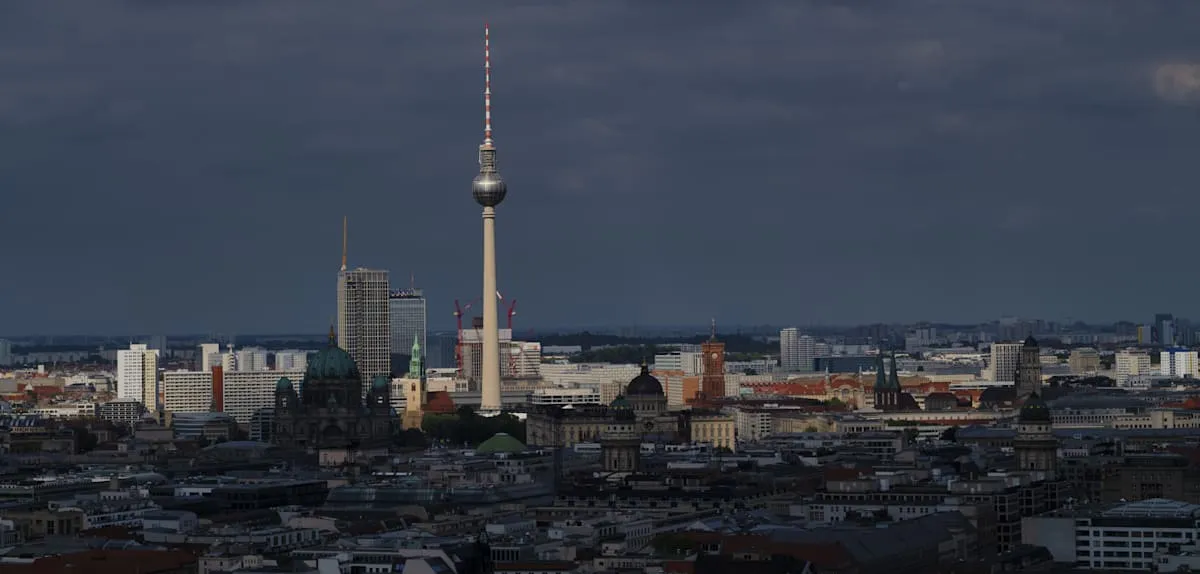
Various cities showcased their distinctive characteristics. Munich, for instance, remained true to tradition with a dominance of classical music and opera, interspersed with touches of elegant contemporary pop. In Hamburg, its maritime energy was reflected in the prevalence of dynamic alternative rock and indie music. Meanwhile, Berlin, as a hub of innovation, was not surprisingly dominated by progressive and experimental electronic genres.
However, when the data pointed to Hannover, Gema's analysis found a striking anomaly. Gema's Communications Director, Sabine Müller, in a recent virtual press conference, revealed a strong tendency towards songs with introspective, melancholic, and often socially critical themes. "This is not merely a genre preference, but a consistent choice of lyrics and emotions that carry a tone of unease," Müller explained.
Specifically, the list of top songs most frequently performed live in Hannover this year was dominated by local and national musicians whose works explore existential issues, urban challenges, and critiques of modernity. There were no dominant cheerful songs as seen in other cities.
"This phenomenon is very intriguing and, frankly, a bit unsettling," said Professor Schmidt. "While most German cities celebrate a musical diversity that reflects optimism or at least neutrality, Hannover appears to be submerged in a more somber narrative. This indicates underlying social or psychological pressures not evident on the surface."
Some observers suggest that this trend might be linked to Hannover's demographic dynamics or regional economic changes not captured by general happiness indices. The city is known as an industrial and commercial center, but there might be a shift in collective aspirations manifested through art.
Gema's data indicates that music genres such as neo-folk with poetic lyrics discussing alienation, and post-punk revival with anti-establishment sentiments, dominate stages large and small in Hannover. This contrast is stark when compared to Cologne, which favors upbeat pop, or Frankfurt, which celebrates jazz and soul.
The favorite songs list in Hannover for 2026 includes, for example:
- "Einsamkeit der Großstadt" (Loneliness of the Big City) – a neo-folk ballad.
- "Verlorene Generation" (Lost Generation) – a post-punk work with sharp lyrics.
- "Echo der Leere" (Echo of Emptiness) – a highly introspective experimental composition.
This shift in musical preference is more than just taste; it is a cultural indicator. How German cities express themselves through music can reflect the social and psychological conditions of their citizens. An article about The New Era of Barbecue in Germany in 2026 also shows how lifestyle preferences are changing, which could be related to changes in entertainment tastes.
The city government of Hannover has not yet issued an official statement regarding Gema's findings. However, local art communities and activists have begun discussing the implications of these findings, prompting a deeper reflection on the collective mental well-being of the city's residents.
The big question that arises is whether this somber musical preference is a cause or a symptom of deeper social issues. Are artists in Hannover merely voicing what society already feels, or is the music itself shaping this narrative of gloom?
Editorial Insight: Gema's findings in Hannover should serve as an alarm for policymakers and community leaders. Music, as one of the oldest forms of cultural expression, often acts as an accurate barometer of a collective's psychological state. If a city consistently leans towards melancholic and critical expressions, this is not merely a musical trend but a signal that requires careful sociological investigation and social intervention. Ignoring this signal means overlooking potential deeper issues of citizen well-being in the years to come.