 Stefani Rindus
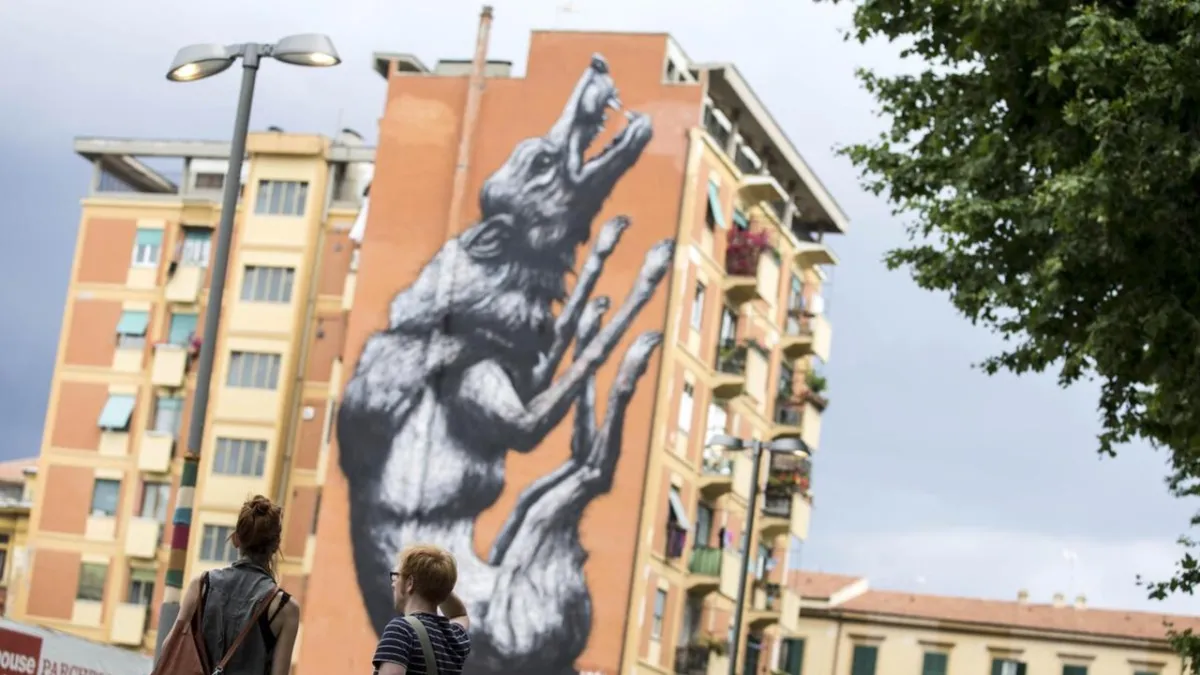
ROME – A new monumental work by art historian Stella Maresca, titled Street Art a Roma, has successfully unveiled the millennia-old history of street art etched into the heart of Italy's capital. Launched in early 2026, the book revolutionizes public understanding of mural art, demonstrating that this phenomenon is not merely a modern creation but has deep roots stretching from ancient Roman civilization to the contemporary expressions that now adorn every corner of the city.
For a long time, street art has often been perceived as a recent phenomenon, a product of 20th-century subcultures. However, Maresca's extensive research proves that the human desire to leave visual marks in public spaces has been an integral part of Rome's urban identity from the time of Emperors to the modern Republic era.
Maresca's study meticulously documents how graffiti and handwritten inscriptions on the walls of ancient Pompeii and Rome served as forms of public expression. These traces, from simple political slogans to declarations of love, reflect the daily life and aspirations of the Roman people, similar to the messages conveyed by today's street artists.
The transformation of wall art continued through the Middle Ages and Renaissance, albeit with different connotations and purposes. From religious frescoes adorning church exteriors to clan symbols on building walls, art in public spaces has always been part of the city's evolving visual narrative.
It was only in the 20th and 21st centuries, with the advent of spray paint and acrylics, that modern street art as we know it flourished. It became a medium for artists to voice protest, convey social messages, or simply beautify often-overlooked urban areas.
Maresca employs an interdisciplinary approach, combining archaeological, art historical, and urban sociological methods. She not only analyzes visual artifacts but also examines the social, political, and cultural contexts behind every stroke and color that frames the narrative of Rome's street art history.
In her book, Maresca highlights several surprising examples, such as ancient graffiti near the Roman Forum that thematically resonates strongly with contemporary political murals in Trastevere. We tend to view history in isolated segments, yet the common thread of artistic expression in public spaces has always existed, only its form has evolved, Maresca stated in an interview.
This publication has been met with enthusiasm by the art community and historians, who see it as a significant step forward in legitimizing street art as a serious art form with a long history. It also helps to erode the negative stigma often associated with urban works.
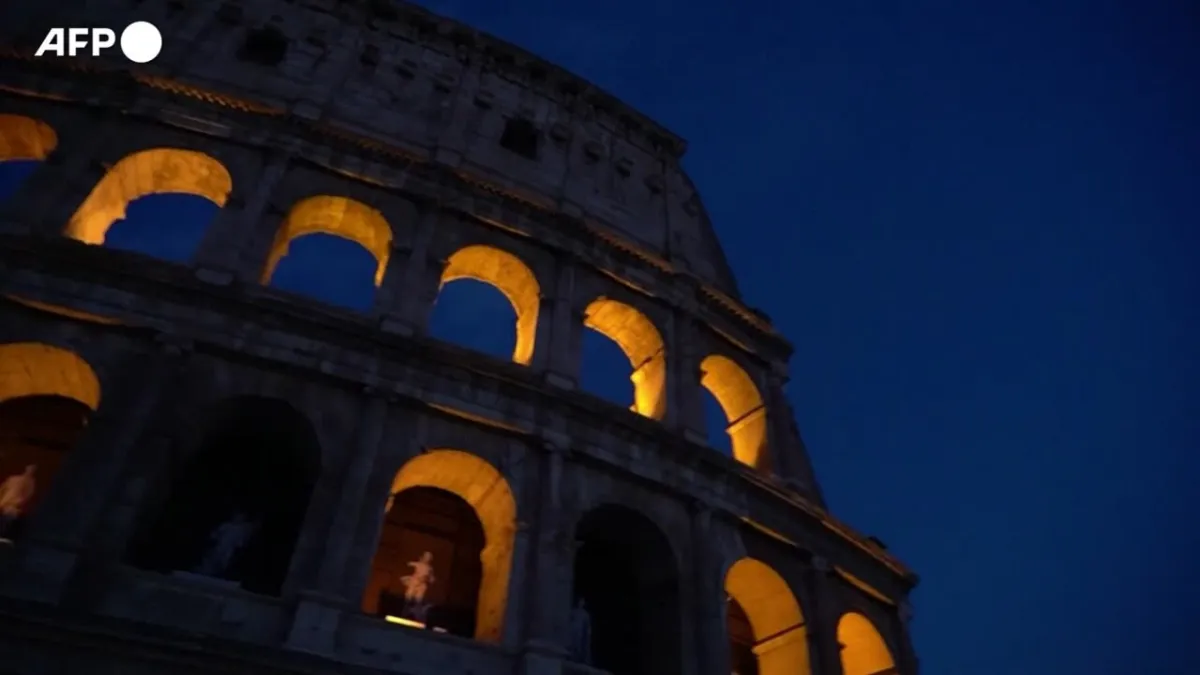
For the city of Rome itself, this discovery further enriches its cultural heritage. The presence of modern street art can now be viewed as a continuation of a long-standing tradition, rather than an anomaly. This also has the potential to increase tourist appeal, offering new perspectives for visitors keen to explore the city beyond its iconic historical sites. (See also: Mysteries of Rome's Colosseum at Night Sold Out!).
This research also raises important questions about conservation. How can ephemeral street art, both past and present, be preserved so that future generations can continue to appreciate the city's dynamic visual legacy?
Stella Maresca's contribution with her book not only fills a gap in art history literature but also stimulates a broader dialogue about the role of art in shaping city and community identities. It is an invitation to see city walls not just as boundaries, but as eternal canvases telling stories.
This phenomenon aligns with efforts to recover and preserve artworks in various Italian regions, such as the case of the discovery of lost artworks in Parma, demonstrating the richness of Italy's artistic heritage.
Editorial Insight: The book Street Art a Roma marks a paradigm shift in urban art studies. By connecting ancient and contemporary visual expressions, Maresca has provided a robust framework for understanding the evolution of street art. Its impact will extend beyond academia, encouraging city governments and communities to view street art not as a problem, but as a valuable cultural asset, worthy of appreciation and potentially preservation. This could open new opportunities for cultural tourism development and more inclusive urban revitalization.