 Robert Andrison

BERLIN — Former German Constitutional Court Judge, Hans-Jürgen Papier, has unexpectedly called for a significant change in the countrys federal electoral system in 2026. He urged lowering the parliamentary threshold for Bundestag elections from five to three percent, a move he believes is essential to strengthen the foundations of German democracy. This demand immediately sparked an intense debate in the national political arena.
Professor Papier's initiative, who once served as President of the Federal Constitutional Court, emerges amidst increasing polarization and complex political dynamics. According to him, the current five percent barrier, known as the Sperrklausel, hinders the representation of smaller parties and minority voices, thus not fully reflecting the plurality of voters.
Papier argues that by lowering the threshold, parliament would become a more authentic reflection of societys political spectrum. This would pave the way for more parties to enter the Bundestag, thereby increasing the diversity of ideas and broadening political participation. "Democracy strengthens if political representation becomes more inclusive," Papier stated in his declaration.
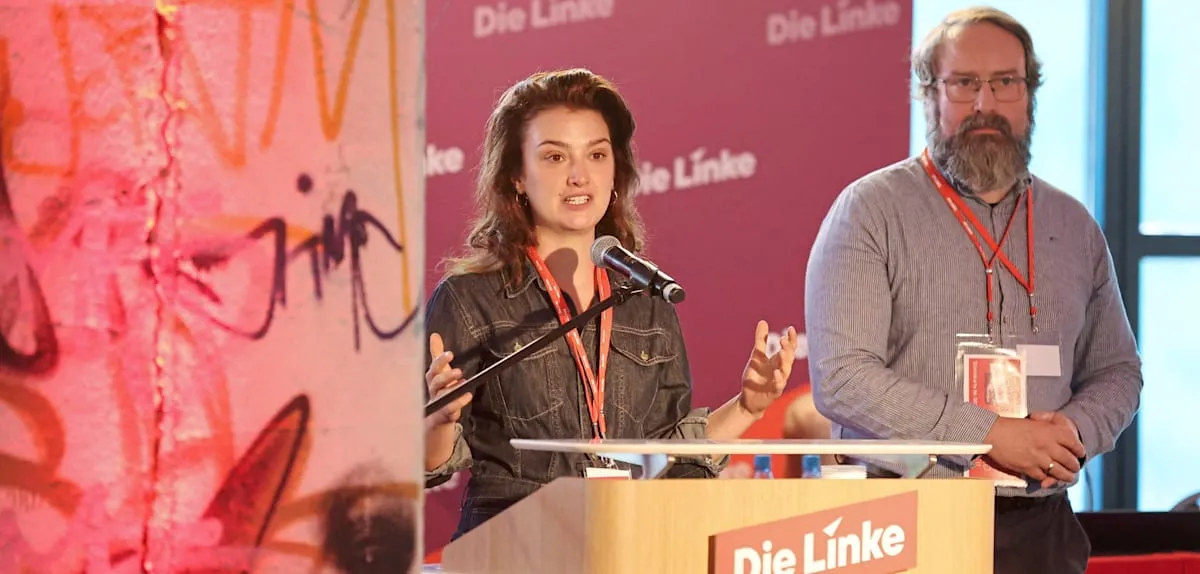
This radical proposal immediately received positive reception from the Social Democratic Party (SPD) and The Left Party (Die Linke). Both parties have long voiced concerns about the high threshold, which they believe often disadvantages new parties or parties with strong regional support bases. They see this as an opportunity for the revitalization of parliamentary democracy.
However, the conservative alliance, the Christian Democratic Union (CDU) and the Christian Social Union (CSU), or commonly known as The Union, strongly opposes this idea. They argue that lowering the threshold risks creating excessive political fragmentation and potential governmental instability. Stability is considered a key pillar of Germany's post-war political system.
Historically, the five percent threshold was introduced in Germany after World War II to prevent the extreme political fragmentation that occurred during the Weimar Republic era. Its purpose was clear: to guarantee a stable government and prevent the emergence of radical small parties that could threaten democratic consensus.
Now, in 2026, these arguments are being debated once more. Papier's supporters believe that the political context has changed significantly, and the system needs to adapt to remain relevant. They point to warnings from former German constitutional judges regarding threats to democracy from majority party dominance.
This debate not only touches upon the technical aspects of electoral law but also the philosophy of democracy itself. Should efficiency and stability be sacrificed for broader representation? Or will broader representation actually lead to better long-term stability?
For some political observers, this move is a response to current political trends, including the rise of populist parties in various countries. Providing more space for diverse voices is hoped to ease tensions and strengthen the legitimacy of democratic institutions.
In turn, if this proposal is realized, Germany's post-election political landscape could change dramatically. Government coalitions might become more complex, and policy-making processes could involve more inter-party negotiations. This is not just a change in numbers, but a potential revolution in how Germany conducts its politics.
Discussions surrounding the lowering of this threshold will likely dominate the legislative and public agenda in the coming months. With support from the SPD and Die Linke, pressure on The Union to reconsider its position will intensify. The future of German parliamentary democracy is being tested at this critical juncture.