 Stefani Rindus

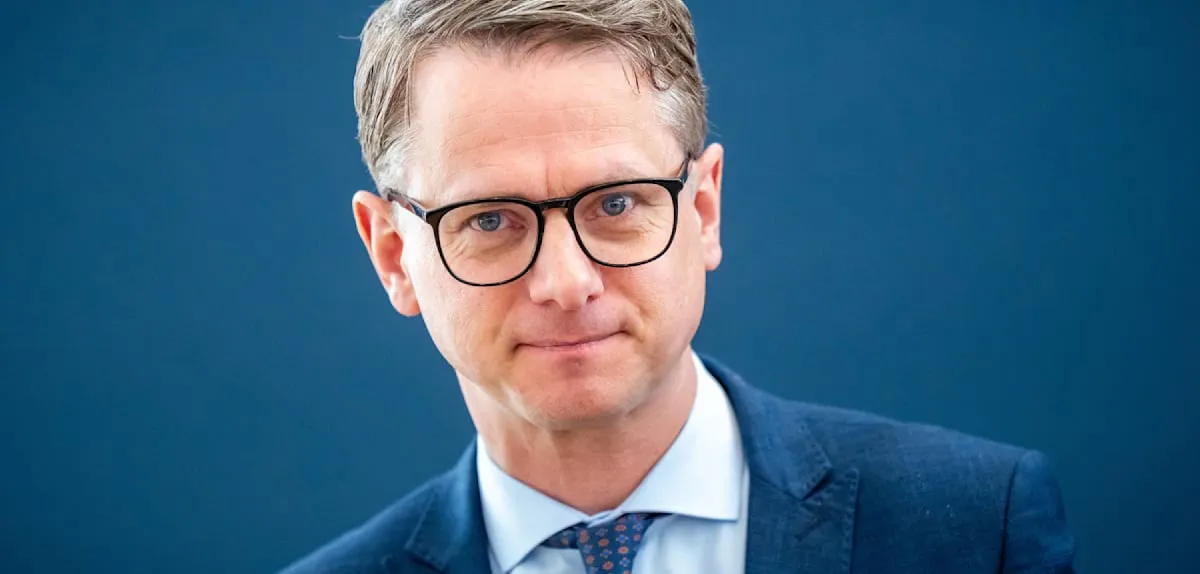
MAGDEBURG — Saxony-Anhalt's Education Minister, Jan Riedel of the CDU, recently voiced deep concern over the spread of right-wing radical slogans among schoolchildren. This phenomenon, according to Riedel, is a direct consequence of biased information exposure via digital platforms such as TikTok, right-wing online portals, and boulevard press, creating dangerous “information bubbles” within society that are increasingly permeating educational environments.
Riedel's statement shook the public, highlighting a grim reality where the line between opinion and extremist propaganda blurs for the younger generation. He lamented that many citizens in Saxony-Anhalt, including children, now rely solely on these sources for information, disregarding verified mainstream media.
The information bubbles formed from limited media consumption effectively isolate individuals from diverse perspectives, reinforce prejudices, and normalize extremist narratives. For children and adolescents, this condition is highly vulnerable, forming a distorted understanding of the world and making them susceptible to ideological indoctrination.
Minister Riedel emphasized that the implications of this trend are now clearly visible in educational institutions. Teachers face significant challenges when children begin to repeat or even propagate hate speech and discriminatory sentiments absorbed from the online environment.
This threat is not merely the dissemination of content but the penetration of dangerous ideologies that can undermine social cohesion from an early age. Right-wing radicalism often goes hand in hand with xenophobia and anti-democracy, values that contradict the fundamental principles of Germany's pluralistic society.
This situation urges government and educational institutions to take proactive steps. Digital literacy and civics education are key to equipping children with critical thinking skills, distinguishing fact from disinformation, and building immunity against propaganda.
Professor Lena Schmidt of Halle University, a sociologist of education, on a separate occasion once stated, "Digitalization has drastically changed the information landscape. It is important for us not only to monitor but also to guide the younger generation to be proficient in choosing credible information sources." Other studies also indicate that social media haunts teenagers academic performance, underscoring the urgency of parental and teacher supervision and guidance.
The Saxony-Anhalt Ministry of Education is reportedly evaluating various programs to raise awareness about the dangers of information bubbles and online radicalism. These initiatives are expected to shield students from increasingly pervasive negative influences.
Furthermore, this issue echoes the strong call from the German Cultural Officer for a war of ideology against Nazi-rooted extremism. This indicates that radicalism is not just an educational problem but a fundamental threat to the nation's democratic values.
Parents play a crucial role in supervising and accompanying their children as they interact with the digital world. Open dialogue about the content consumed and its sources can help identify potential exposure to dangerous ideologies early on.
The spread of right-wing radicalism among children through digital platforms must serve as a serious alarm for all stakeholders. Society cannot remain passive in the face of extremist ideological penetration that threatens the future of democracy and social harmony.
Digital transformation brings new challenges that require comprehensive adaptation and response from all segments of society. Only through concerted efforts can education remain the foremost bulwark against all forms of extremism and nurture inclusive values in future generations.