 Gabriella
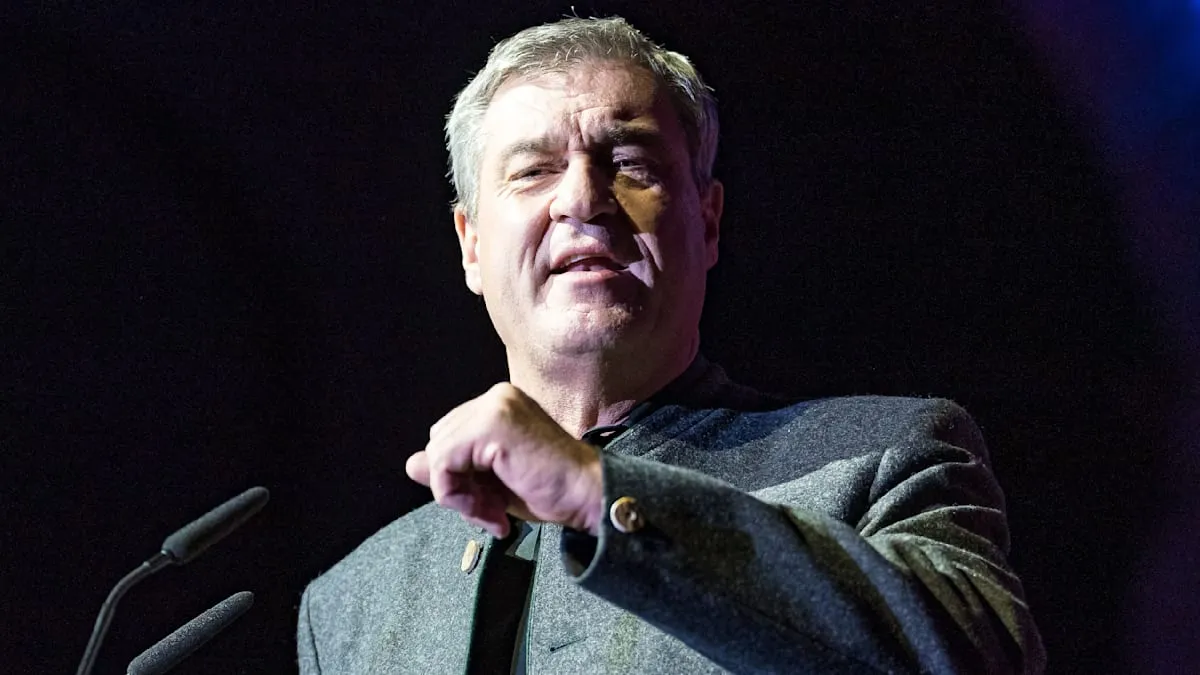
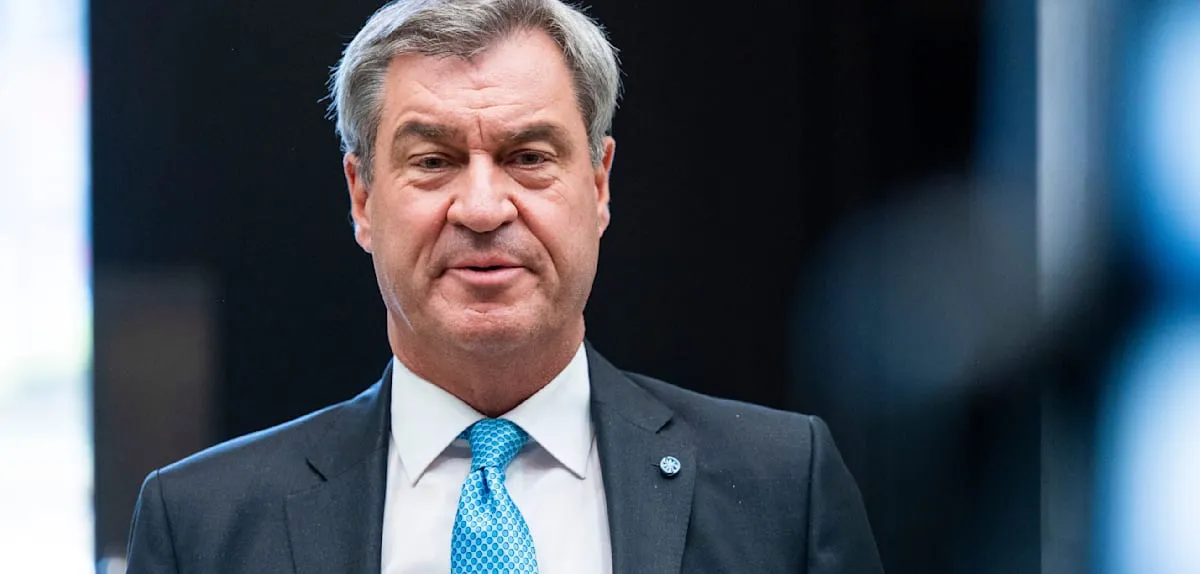
BERLIN – Political tensions in Germany escalated in early 2026 when Markus Soder, Chairman of the Christian Social Union (CSU), publicly demanded an adjustment to the cold progression effect within the tax system. This move, aimed at providing citizens with more net income, implicitly cast a sharp spotlight on the credibility and consistency of Chancellor Friedrich Merz's government's economic policies. This reaction sparked a broad debate about the dissonance plaguing the current coalition cabinet.
Soder's demand is not merely an economic call; it underscores public anxiety over perceived fiscal pressures. Cold progression, a phenomenon where nominal wage increases push individuals into higher tax brackets without a real increase in purchasing power, has long been a complaint among German citizens.
The German people need immediate relief, Soder asserted in his statement, citing reports showing that inflation and static tax rates increasingly burden households. This demand aligns with Soder's push for the German coalition to immediately cut taxes, an issue that has been his priority.
Peter Muller, Editor-in-Chief of Augsburger Allgemeinen, in an interview with WELT, highlighted the widening trust gap. This disparity, this persistent imbalance, is a common thread running through Merz's entire term of office, he stated.
According to Muller, this dissonance is not only evident in economic issues but also in the overall policy narrative. The Merz government has frequently faced criticism for inconsistency in making strategic decisions, both domestically and on the international stage.
Political analysts view Soder's move as an attempt to pressure Chancellor Merz and the ruling coalition parties, particularly the Social Democratic Party (SPD) and the Green Party. The CSU, as a traditional ally, appears to be striving to maintain its voter base by demonstrating a firm stance.
The issue of cold progression has become a symbol of the government's inability to respond effectively to economic challenges. Despite stagnant economic growth, the perceived heavy tax burden continues to be a grievance.
Debate over government credibility is not new in Germany. The public expects transparency and certainty, especially in the face of global uncertainties and the lingering impact of inflation.
Soder's criticism also implies internal cracks within the conservative bloc, even though the CDU/CSU is formally a single entity. This indicates that political pressure can come from various directions, including from within the ranks of allies.
The gap between political promises and implementation reality is becoming clearer, said an anonymous political observer. The government needs to fundamentally review its approach if it wants to regain public trust.
In a broader context, this situation adds to the list of challenges facing Germany. From energy issues to migration, the Merz government is confronted with high expectations that are often difficult to meet, as also touched upon in the article Germany on the Brink of Democratic Crisis: Weak Compromise, Extremists Gaining Strength.
How Merz and his coalition will respond to this pressure remains a big question. Will they formulate concrete measures to address cold progression, or will they choose to ignore criticism that could deepen the crisis of trust?
The political future of Germany in 2026 will largely depend on the government's ability to navigate internal and external criticism. Economic stability and public trust are at stake.
Editorial Insight: Open criticism from a figure like Markus Soder towards Chancellor Friedrich Merz is not just ordinary political dynamics; it is a serious indication of eroding trust within the ruling coalition. The issue of cold progression, seemingly technical, actually serves as an entry point to highlight governmental inconsistencies and its inability to provide concrete solutions to the people's economic problems. If Chancellor Merz fails to respond with substantial policies, it is not impossible that greater political turmoil will shake the government's stability and even accelerate changes in the German political landscape.