 Dorry Archiles
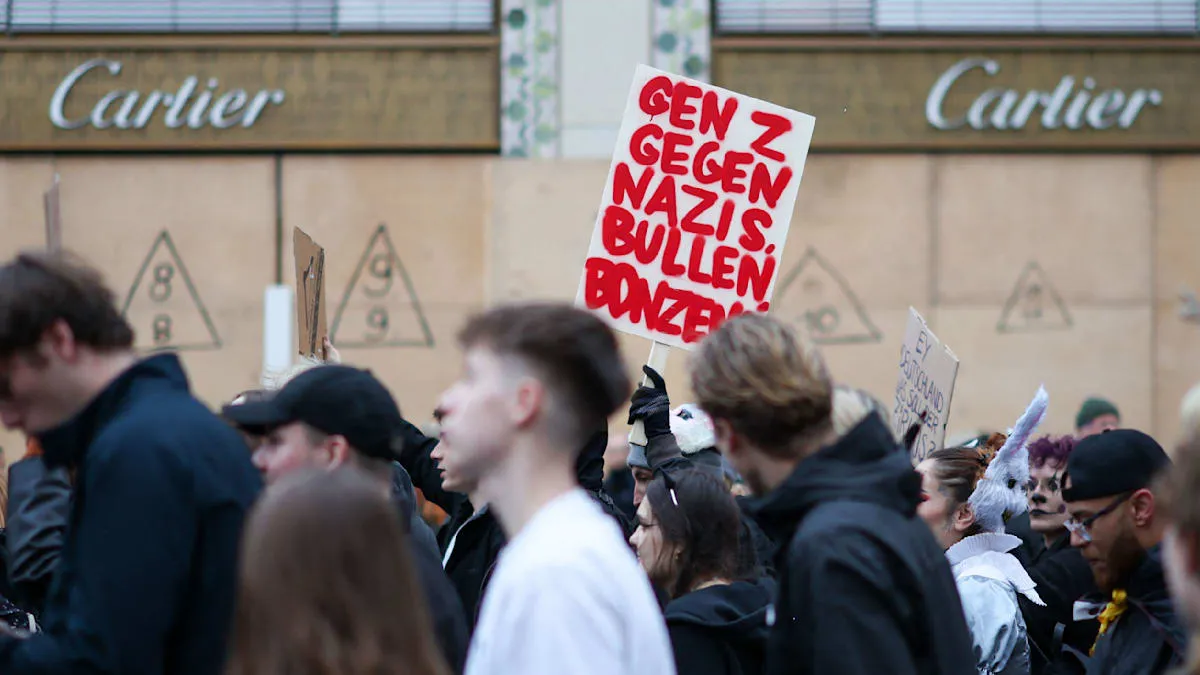
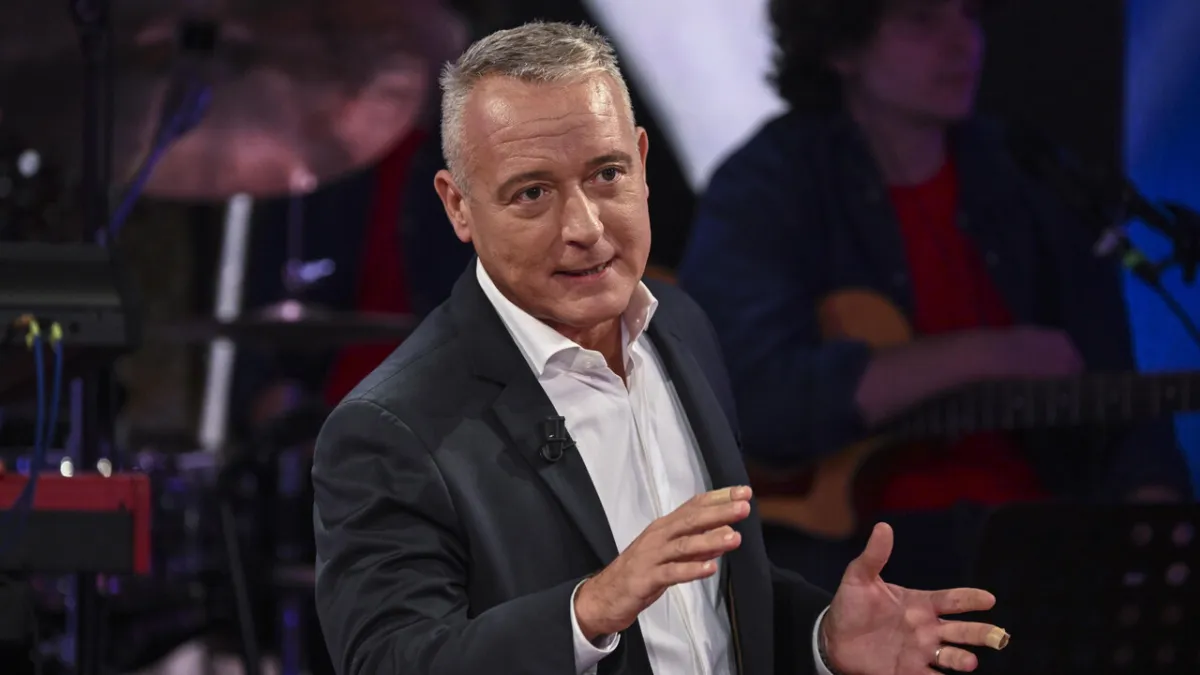
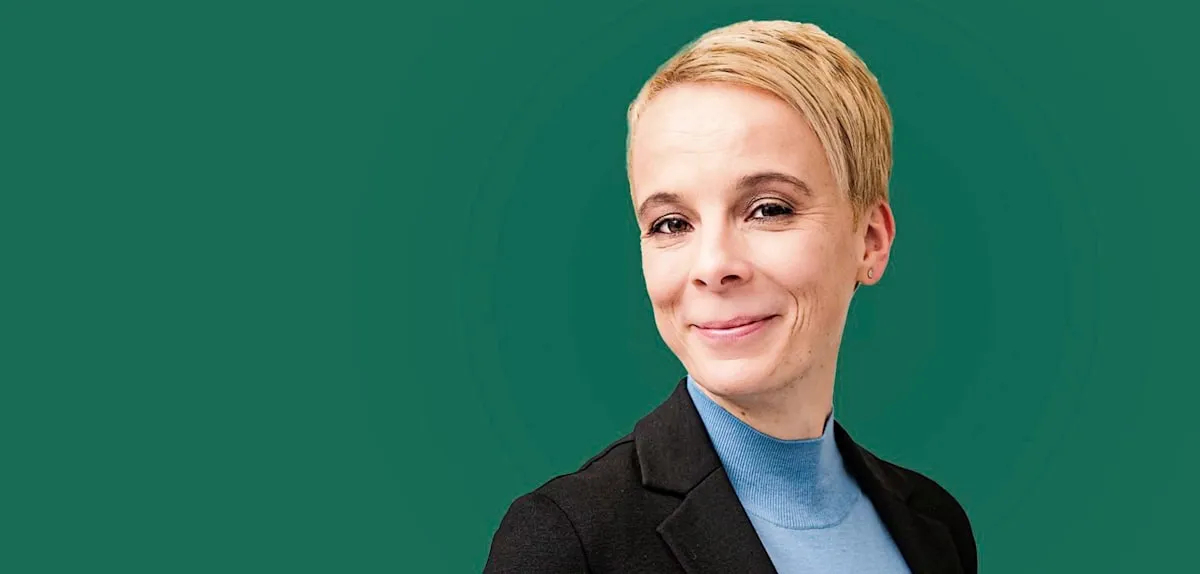
BERLIN – Widespread concern is growing across Germany ahead of a series of planned public demonstrations, following a stern warning from the Vice-Chairman of the Junge Union (JU), Konrad Korner. He emphasized the necessity for decisive action against individuals or groups attempting to hijack peaceful protests for anarchic or extremist purposes. Korner unequivocally stated, 'Anyone who commits vandalism must go to prison,' highlighting the legal consequences awaiting rioters and the potential threat to national stability.
Korner's statement emerges amidst escalating tensions, as security authorities and civil society scrutinize the potential abuse of freedom of expression. Extremist movements, from both the right and left wings, are frequently observed exploiting mass demonstrations to incite unrest and propagate their radical agendas. This situation has fueled serious debate regarding the boundary between the right to protest and the obligation to maintain public order.
Political observers and sociologists highlight a trend where extremist groups often infiltrate the ranks of initially well-intentioned demonstrators. They then provoke an escalation of violence, shifting the focus from peaceful demands to confrontation with law enforcement or vandalism of public and private property.
Konrad Korner, representing one of Germany's largest political youth organizations, affirmed that the state must stand firm in protecting society from such threats. According to him, a weak response would only embolden radical groups to further their actions.
'While the right to demonstrate is a pillar of our democracy, it must not be misinterpreted as a license for violence or destruction. The safety of citizens and the integrity of infrastructure must be the top priority,' Korner stated in an interview.
Permanent federal government and state authorities now face pressure to formulate effective handling strategies. These strategies must be capable of distinguishing between peaceful demonstrators and disruptive elements, while still guaranteeing the civil liberties enshrined in the constitution.
These concerns are not separate from Germany's bitter past experiences, where several large demonstrations ended in damaging riots. Such incidents often leave significant trauma and material losses, as well as eroding public trust in the government's ability to maintain security.
Germany, as a major economic power in Europe, relies heavily on social and political stability. Any threat to public order can have a domino effect on investment, tourism, and the country's international image. This also aligns with broader global security issues, as highlighted in the related article UN Calls for a World Without Nuclear Weapons: Geopolitical Threats Sharply Increasing!, demonstrating that domestic stability is integral to global security.
Therefore, the emphasis on prison sentences for rioters is not merely a threat, but an affirmation of the principle that law must be enforced without compromise. This is expected to deter future acts of anarchism in mass actions and prevent their proliferation.
Political leaders across the ideological spectrum are urged to voice the same message: supporting peaceful protests but strongly condemning all forms of violence. This requires a strong political consensus to preserve the integrity of the democratic process and public safety.
Editorial Insight:
Konrad Korner's firm stance reflects growing apprehension among Germany's political elite regarding polarization and radicalization potentially targeting protests. The imposition of severe legal sanctions for perpetrators of violence is an essential preventive measure to uphold democratic integrity, ensuring that public expression remains within legal boundaries and does not become a tool for extremist agendas. The primary challenge lies in balancing the protection of freedom of speech with robust, proportionate law enforcement.