 Angel Doris
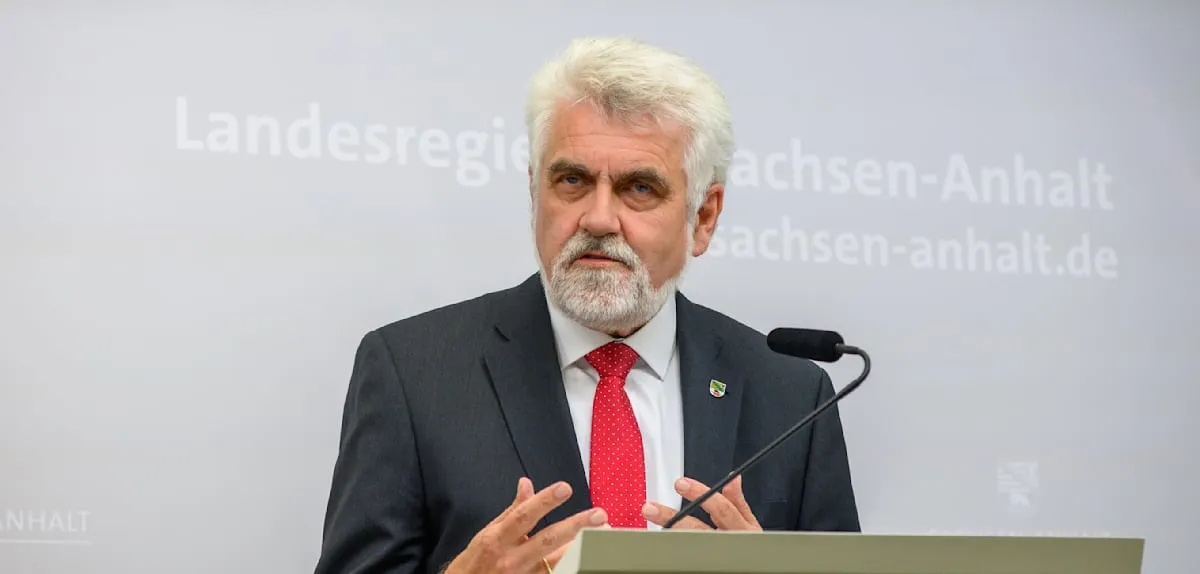
Berlin — A crucial debate re-emerging at the heart of German politics is sparking intense discussion: the potential lowering of the electoral threshold from five to three percent. This discussion, initially proposed by former Constitutional Court President Andreas Papier, now unexpectedly gains support from a Social Democratic Party (SPD) politician from Saxony-Anhalt, signaling potential fundamental changes in the country's electoral landscape.
This proposal surfaces amidst Germany's increasingly complex political dynamics in 2026. The five-percent threshold, long a pillar of Germany's post-war electoral system, was designed to prevent legislative fragmentation and ensure stable governance. However, proponents of lowering the threshold argue that this rule also limits the representation of smaller parties and minority voices.
According to internal SPD sources who wish to remain anonymous, the idea is being thoroughly examined within party forums. "We must continually evaluate our democratic system to keep it relevant and inclusive," stated the SPD politician in a private declaration, without providing further details. "Considering options for a lower threshold is part of that reflection process."
Andreas Papier, a highly respected figure in constitutional law, has long argued that the five-percent threshold might be too high in the context of modern politics. In his recent essays, he underscored the necessity of balancing governmental efficiency with fair political representation. His views provide the intellectual foundation for this revived discussion.
Political analysts view this SPD initiative as a strategic attempt to appeal to a broader spectrum of voters, particularly those who might feel unrepresented by the larger parties. Lowering the threshold could pave the way for more small parties to enter the Bundestag, Germany's federal parliament, and drastically alter coalition dynamics.
However, not everyone welcomes this idea. Critics argue that lowering the threshold would lead to political instability. "The risk of parliamentary fragmentation is very real," said Professor Klaus Müller, an expert in constitutional law from Heidelberg University. "Coalition governments could become much harder to form and sustain, given current political dynamics."
Conservative parties, such as the Christian Democratic Union (CDU) led by Chancellor Friedrich Merz, are likely to strongly oppose this proposal. They argue that Germany's political stability is a valuable asset that should not be sacrificed for what they perceive as excessive representation. This controversy might prolong the German Cabinet Drama that frequently arises.
The debate over the electoral threshold also occurs amid larger challenges to national leadership's credibility. Chancellor Merz's own credibility has been eroded by various domestic and international issues, triggering calls for a vote of no confidence from some circles. Such changes to electoral rules could add further pressure on the ruling coalition.
On the other hand, smaller and newer parties will undoubtedly welcome this opportunity. They see it as a golden chance to gain a stronger foothold on the national political stage. These groups, often with regional or thematic support bases, can now hope to overcome entry barriers that were previously too high.
The ruling coalition government in Berlin, comprising the SPD, the Green Party, and the FDP, now faces a dilemma. Will they adopt this proposal as part of a broader electoral reform agenda, or will this issue trigger deeper internal divisions? The answer will determine Germany's political direction for decades to come.
This discourse is also relevant to the modern democratic challenges many European countries face. How to balance broad representation with effective governance? This question will continue to haunt the debate in Germany, with the SPD taking a central role in provoking this profound discussion.
Political observers predict that the discussion regarding the three-percent threshold will become one of the hottest issues leading up to the next general election. The public will await how major and minor parties respond to the opportunities and threats posed by this potential electoral reform.