 Debby Wijaya
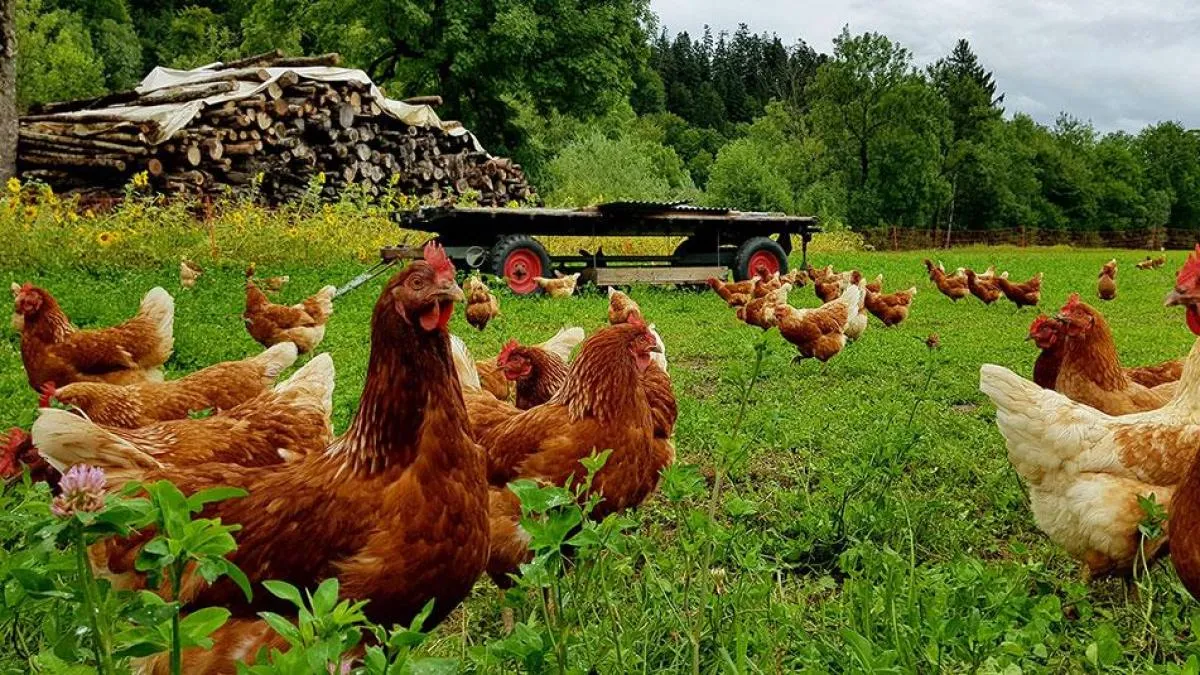
JAKARTA – The year 2026 marks a new era for individuals seeking promising career prospects. The animal-origin food sector, encompassing livestock farming, processing industries, consultancy, and research, is now widely opening doors to opportunities with significant earning potential. Increasing global food demand and governmental focus on food security are the primary drivers behind the surge in demand for experts in this field.
Transformation and modernization within the animal food industry continue to advance rapidly, supported by technological innovation and sustainable approaches. This not only enhances production efficiency but also creates diverse job positions demanding specific expertise. From upstream to downstream, the value chain of this sector requires competent professionals.
Potential positions for professionals include:
- Modern animal husbandry and breeding specialists
- Operational managers for animal product processing plants
- Nutritional and food safety consultants
- Researchers and innovative product developers
- Food supply chain and logistics specialists
Career opportunities are not limited to a single domain. In both the public and private sectors, demand for talent in the animal-origin food field is strengthening. Government agencies require quality controllers and policy formulators, while private companies seek innovators and field executors.
The financial aspect serves as a major draw. Data indicates that professions in the animal food sector, especially those requiring specialized skills and innovation, offer highly competitive compensation. Income estimates can surpass the average of other industries, particularly in managerial or senior specialist roles.
The context of 2026, with President Prabowo Subianto's administration focusing on strengthening national food resilience, further stimulates this sector's growth. Strategic programs to increase animal food production and quality necessitate competent human resource support. This creates a stable and continuously growing job market.
Prospective professionals must equip themselves with relevant education, ranging from animal science, food technology, to biotechnology. Mastery of current technologies, such as precision agriculture and data analytics, becomes a crucial added value for competitiveness.
Innovation in sustainability is also key. The development of environmentally friendly farming methods, waste reduction, and improved animal welfare are areas demanding expertise and leadership. This aligns with global trends towards more ethical and responsible food consumption.
This development aligns with the increasing need for key degrees in the 2026 era, as discussed in the article Future Engineers: Key Degrees for Global Market Dominance and Wealth in 2026. Such fields will remain highly relevant and in demand.
Furthermore, the concept of applied multidisciplinary science, also explored in Applied Multidisciplinary Science: The 2026 Revolution, Unlimited Financial Potential?, is fundamental. Graduates with cross-disciplinary backgrounds will be more sought after to tackle the complex challenges of the food industry.
In summary, the animal-origin food sector in 2026 is no longer merely an option, but a golden arena for visionary job seekers. With proper preparation, opportunities to build a brilliant career and achieve financial stability are wide open.
Editorial Insight: The global paradigm shift towards food security and sustainability places the animal-origin food sector in a strategic position. Governments and private sectors need to invest more heavily in education and research to ensure a supply of quality talent. This opportunity is not just about jobs, but also a tangible contribution to national and global food resilience in the future.