 Chandra Wijayanto
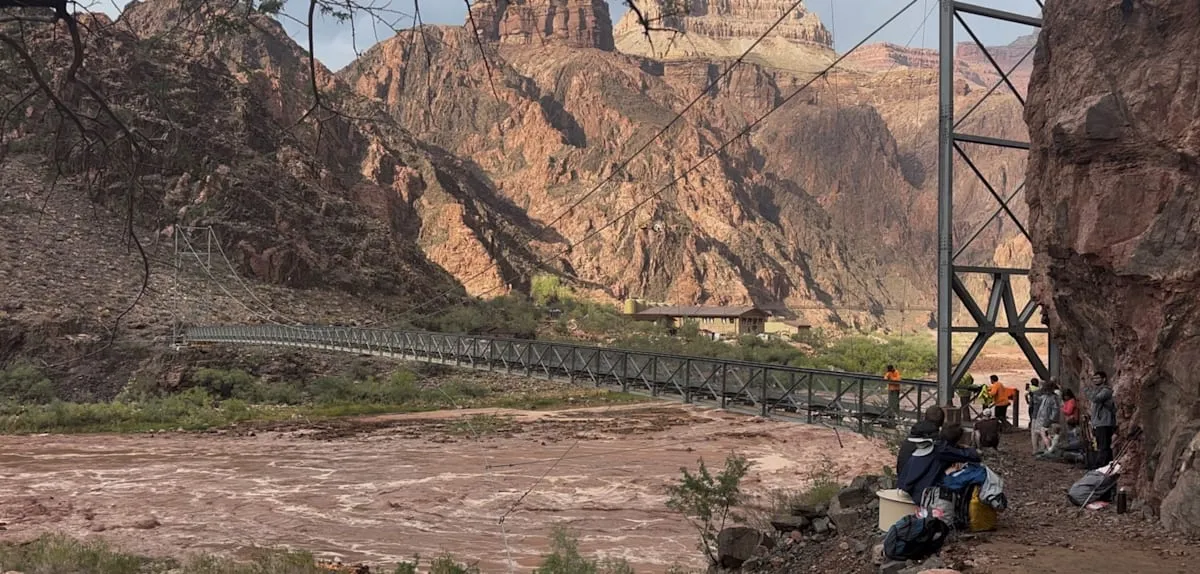
GRAND CANYON – A tragic flash flood has swept through the majestic Grand Canyon, leaving at least two people dead and over a dozen still unaccounted for. This devastating incident, occurring amidst an extreme rainy season, also severely damaged the central water pipeline, compelling national park authorities to close affected areas and launch a massive search and rescue operation.
The sudden and powerful deluge transformed several narrow canyons into raging torrents, dragging everything in their path. Authorities from Grand Canyon National Park promptly responded by deploying a joint search and rescue (SAR) team to comb through the affected regions. Search efforts are concentrating on popular hiking trails frequently used by visitors, as well as along the banks of the Colorado River.
Infrastructure damage poses a significant challenge. The central water pipeline, critical for supplying clean water throughout the park, suffered extensive harm. This condition severely hampers rescue efforts and logistics for personnel on the ground. Several vital areas, including specific hiking trails and lodging facilities, are now inaccessible or operating with limited water supplies.
The national park management issued a strong warning, urging visitors to postpone trips to affected areas and adhere to official instructions. The safety of our visitors and staff remains our top priority, stated a Grand Canyon National Park spokesperson in an official announcement. We appeal for everyone's cooperation to ensure that search and recovery operations proceed smoothly.
Extreme weather served as the primary trigger. Unusually high rainfall for this period saturated the ground and initiated rapid surface runoff. This phenomenon, coupled with the Grand Canyon's unique topography of steep canyons, created ideal conditions for the destructive flash flood.
Rescue teams face exceptionally difficult terrain. Remote valleys, slippery paths, and debris from the floodwaters impede movement. Helicopters are being utilized for aerial searches and to evacuate any victims potentially stranded in isolated locations. These efforts also include delivering emergency supplies to teams in the field.
Local residents and the hiking community expressed deep concern over the incident. Grand Canyon attracts millions of tourists annually, and events of this nature serve as a constant reminder of nature's unpredictable power. A volunteer group has even been formed to assist search efforts and provide logistical support to the SAR teams.
In a related incident, last year the Grand Canyon was also hit by a flash flood of considerable scale, indicating an increasing frequency of extreme hydrometeorological events in the region. Recent erratic weather patterns have become a serious concern for environmental experts and conservationists.
Rescue operations are anticipated to last for several days, given the vast search area and the geographical challenges involved. Authorities have not yet confirmed when all park areas will reopen to the public. The current focus is on locating all missing persons and ensuring the safety of the impacted areas.
A thorough investigation will be conducted to assess the environmental impact and permanent damage to the Grand Canyon ecosystem. Future mitigation and prevention measures will also be discussed to address the escalating threat of natural disasters amidst global climate change.
Editorial Insight: This flash flood event in the Grand Canyon underscores the vulnerability of natural tourism infrastructure to climate change and extreme weather. The damage to the central water pipeline is not merely a logistical problem; it carries long-term implications for park operations and visitor comfort. This incident should serve as a moment for national park managers worldwide to re-evaluate safety protocols, early warning systems, and investments in more resilient infrastructure. The increasing frequency of hydrometeorological disasters demands proactive adaptation, not just reactive responses.