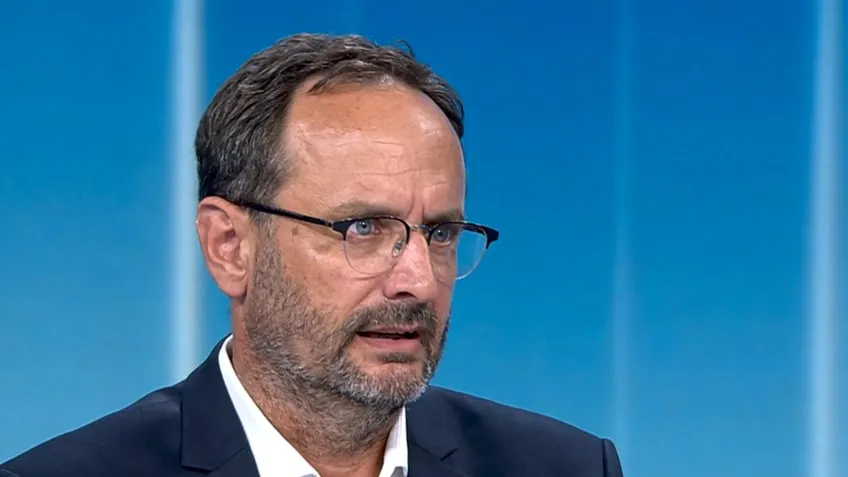
 Angela Stefani
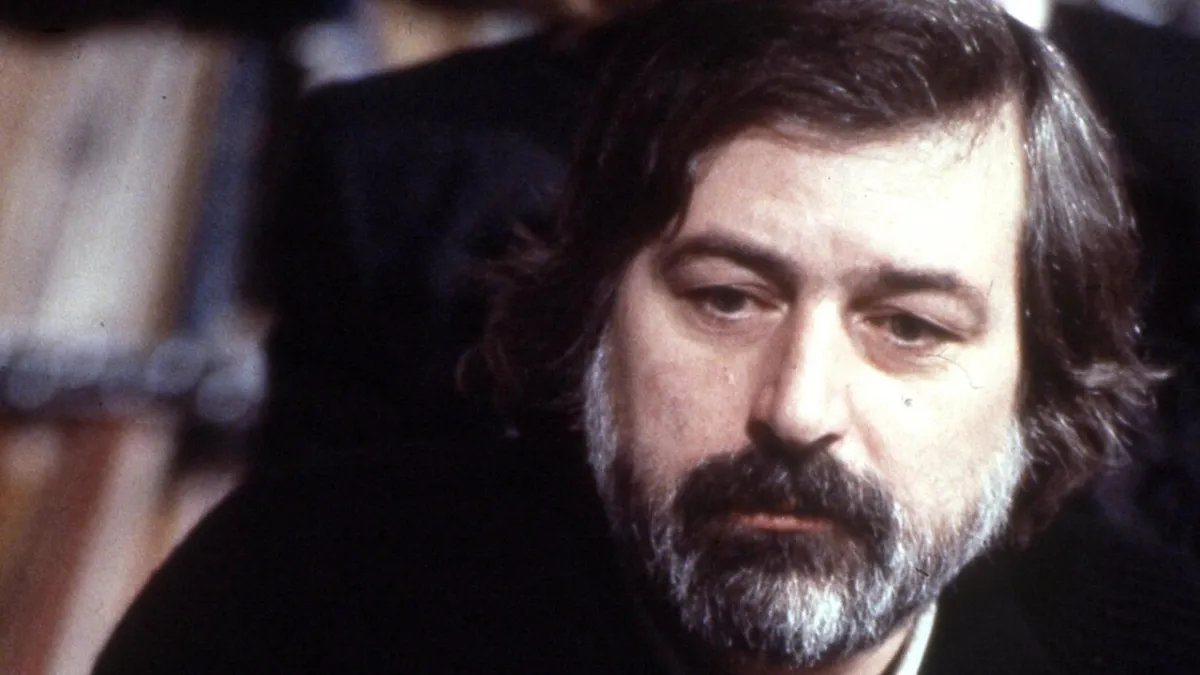
Bologna — Francesco Guccini, the legendary Italian lyricist who passed away at the age of 86 earlier this year, left an enduring legacy through his sharp manifesto works. Songs like "La Locomotiva", "L'Avvelenata", "Dio è morto", "Eskimo", and "Auschwitz" are not just musical compositions; they are deep reflections on the social, political, and collective memory of the Italian nation, whose resonance is still strongly felt in 2026.
Released in 1972, "La Locomotiva" became one of Guccini's iconic songs depicting revolutionary idealism. The narrative of a reckless train driver pushing a locomotive without stopping, heading towards an inevitable end, represents the struggle of the working class and aspirations for social change in the post-war era. This song stirs the soul with its rebellious spirit.
Meanwhile, "L'Avvelenata" (The Poisoned One), popular in 1976, presented Guccini's sharp critique of the music industry and hypocrisy within the artistic world. Its sarcastic lyrics targeted critics and a system he considered corrupt, asserting his position as an artist uncompromising on idealism. It is an expression of bitter honesty rarely found.
Long before that, in 1965, Guccini shocked the public with "Dio è morto" (God is Dead), a song often mistakenly interpreted as atheistic. However, its essence is a critique of a society that has lost spiritual and humanitarian values, where "God" in this context refers to idealism, freedom, and goodness eroded by modernity.
In "Eskimo" (1978), Guccini delved into personal and political issues with a melancholic nuance. The song touches on lost love, inevitable social changes, and past memories, while also depicting the political turmoil in Italy during the 1970s that impacted individual lives. This demonstrates his ability to weave intimate narratives with a macro context.
One of his most poignant works is "Auschwitz" or "La Canzone del Bambino nel Vento" (The Song of the Child in the Wind) from 1966. This song is a bitter reflection on the horrors of the Holocaust, told from a child's perspective. Guccini brilliantly uses lyrics to preserve historical memory and warn against recurring crimes against humanity.
Guccini's works transcend mere music; he was a masterful chronicler who recorded the pulse of Italy. His lyrics, rich in metaphors and historical references, have shaped a collective understanding of national history and identity. It is no wonder that Maestrone Guccini is often referred to as Italy's "people's poet." Guccini's enduring legacy lives on, not only through his discography but also through his influence on generations of artists and thinkers.
"Un Paese allo specchio" (A Country in the Mirror), a phrase often associated with Guccini's work, truly describes how he honestly presented a portrait of a nation. From political struggles, social transformations, to human vulnerability, each song is a reflection that invites contemplation. This musician, also a writer, possessed the rare ability to make his listeners feel part of a larger narrative.
In 2026, amidst global turmoil and a changing European political landscape, the messages in Guccini's songs feel even more relevant. Questions about social justice, authority, and the existence of humanitarian values he highlighted remain important discourses. His works serve as a reminder that art possesses an eternal transformative power. The Italian and global music world has mourned his passing, but the resonance of his lyrics will never fade.
Although Francesco Guccini's body is gone, his voice continues to echo through timeless lyrics. He was not merely a musician, but a philosopher, historian, and activist through melody and words. His manifesto songs will forever be a beacon illuminating Italy's journey, reminding us of the importance of politics, memory, and the courage to speak truthfully. The story of his life and Guccini's eternal cultural heritage will continue to be an inspiration.