 Gabriella
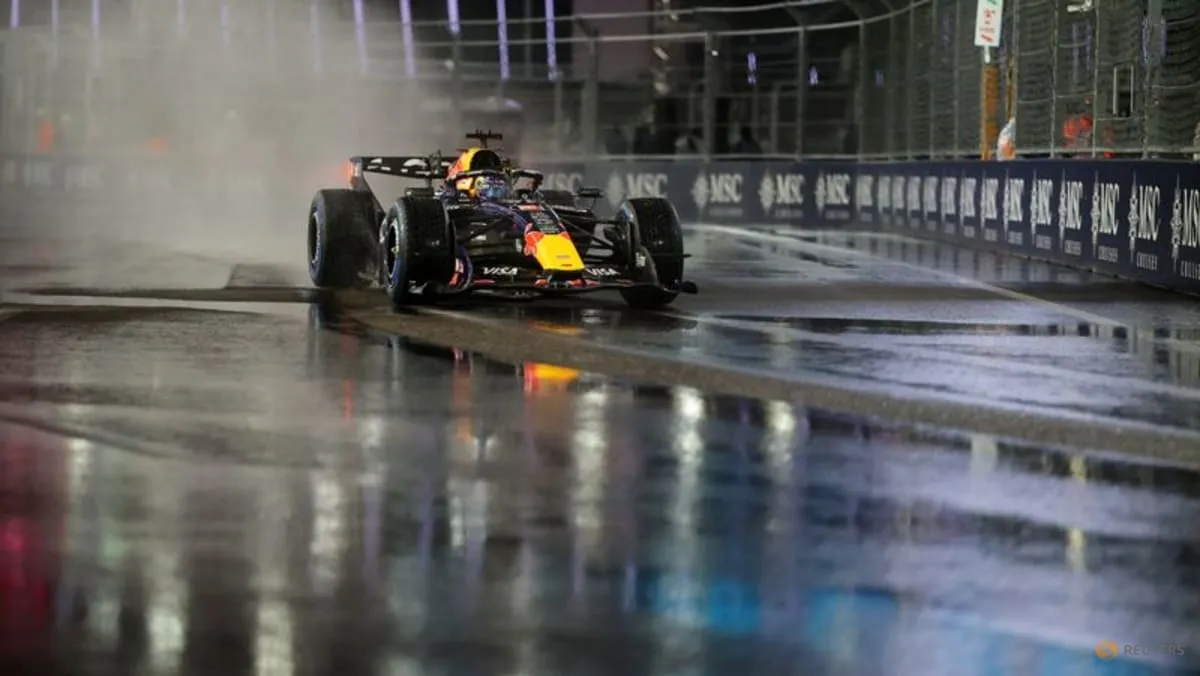
LAS VEGAS – The 2026 Formula 1 free practice session at the Las Vegas Circuit experienced a significant disruption after heavy rain drenched the track, preventing drivers from recording any timed laps. This incident has raised serious concerns among teams regarding their preparation for the main race, especially in collecting crucial data for car setups.
Rain began shortly after the practice session commenced, with intensity continuously increasing until track conditions became unsafe for high-speed racing. Poor visibility and standing water in several sections of the famous urban circuit forced race authorities to deploy red flags and eventually suspend the session.
This decision, while essential for driver safety, automatically hampered teams opportunities to evaluate wet-weather tire performance or new aerodynamic interventions in rainy conditions. Every minute on track is gold for Formula 1 teams, who rely on precise data to optimize strategy and performance.
Engineers from various teams were seen busy in their garages, attempting to anticipate worst-case scenarios and modify meticulously planned strategies. Extreme weather conditions are always an unpredictable variable in the world of high-speed racing, but in Las Vegas, the impact felt more intense given the street circuit layout.
Red Bull Racing ace Max Verstappen, known for his adaptability in various conditions, conveyed his frustration via team radio, indicating that the track was too dangerous for maximum pace. Similarly, Ferrari driver Charles Leclerc highlighted the importance of every practice session to understand the new asphalt characteristics in Las Vegas.
Formula 1 management and the International Automobile Federation (FIA) are now tasked with reviewing rescheduling or adjusting subsequent practice sessions to ensure all teams have adequate preparation. Safety always remains the top priority, but competitive pressure still demands swift solutions.
The 2026 Formula 1 racing season is marked by intense competition, with several top teams like Mercedes-AMG Petronas and Aston Martin vying closely for pole position. The failure to record timed laps in this opening practice session could affect driver confidence and car performance in upcoming qualifications.
Similar incidents are not new in F1 history, with several past Grand Prix events also disrupted by severe weather. However, on street circuits like Las Vegas, whose 2023 debut was marred by drainage issues, the challenges are compounded. The cancellation of this practice session serves as a reminder of urban circuits volatility to environmental factors.
This event also highlights the importance of innovation in tire design and circuit drainage systems, especially in locations prone to extreme weather changes. The racing automotive industry continues to seek solutions, such as the development of vehicles like the Lancia Stratos Reborn with Modern Design, demonstrating how technology and design continuously evolve.
This delay undoubtedly presents challenges for team technicians and strategists. They must work extra fast to analyze the limited available data and make necessary adjustments, a task that requires exceptional skill and experience under pressure.
Editorial Insight: The heavy rain incident disrupting the Formula 1 practice session in Las Vegas underscores the fragility of race schedules against natural conditions. While safety is an undeniable priority, the impact on team preparation and race data integrity becomes a concern. Moving forward, race organizers may need to consider more adaptive mitigation scenarios for urban circuits, especially those located in regions with unpredictable weather patterns, to maintain the quality of competition and massive investments.