 Edward DP Situmorang
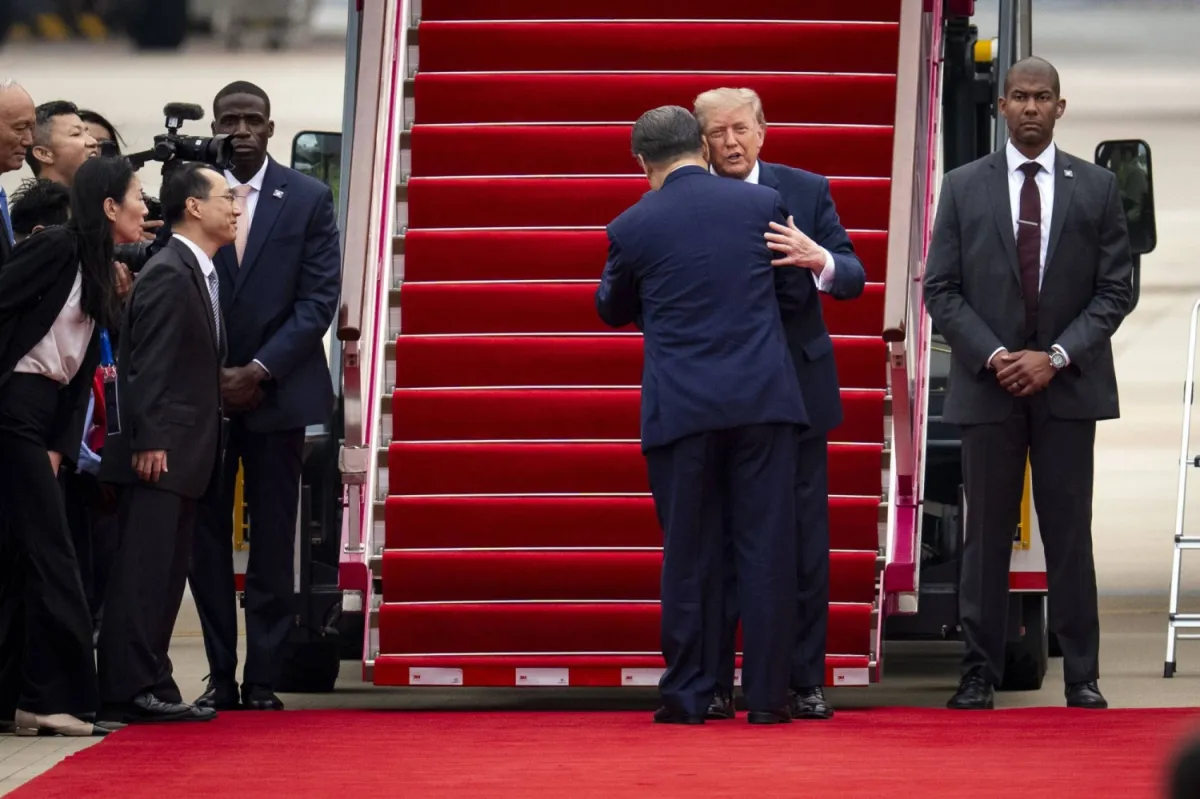
WASHINGTON – US President Donald Trump is once again drawing sharp international attention. The camaraderie he has shown towards Chinese President Xi Jinping and Russian President Vladimir Putin this year, 2026, has triggered a strong wave of resistance from traditional US allies and national security observers. This move is seen as significantly undermining Washington's position on the global stage, jeopardizing the trust of long-standing strategic alliances.
Trump's warm relations with these two primary geopolitical rivals of the US are not a new phenomenon, but their intensity is now increasingly concerning. A series of high-level meetings and communications openly demonstrate a controversial shift in the White House's foreign policy direction, moving from confrontation to a more cooperative, or at least friendlier, approach.
This whirlwind of criticism comes from various fronts. In Europe, several national leaders express deep disappointment, fearing that inconsistent US foreign policy could erode the foundations of collective defense. They believe that global stability requires firm and predictable US leadership, especially in confronting challenges from authoritarian powers.
National security hawks in Washington also voice serious objections. A former senior diplomat, who wished to remain anonymous, stated, 'Developing closeness with Beijing and Moscow without a clear strategy is a geopolitical blunder. It gives the impression that the United States no longer upholds its democratic values and is abandoning allies on the front lines.'
The consequences of Trump's approach are very tangible. Alliances like NATO, which have been the backbone of Western security for decades, now feel adrift. Member states are beginning to question US commitment and its impact on their unity in facing common threats. This issue is also relevant to the discussions in Heated Berlin: Ukraine's Allies Consolidate Post-Trump-Putin-Xi Dialogue.
Trump's personalistic approach is considered contrary to the principles of multilateral diplomacy adopted by previous administrations. This creates uncertainty not only among allies but also among neutral countries that rely on the balance of global power.
Historically, the United States has always positioned itself as a counterbalance to Chinese and Russian influence in various regions. However, with President Trump embracing both leaders, this narrative is beginning to change, raising speculation about a potential reorganization of the world order.
This situation forces US allies to consolidate their own positions, even seeking strategic alternatives. Some European countries are starting to increase defense budgets and forge closer bilateral cooperation, as a preemptive measure if US commitment diminishes.
This issue is not merely a common diplomatic dynamic. It touches the core of the United States' identity as a leader of the free world. A big question arises: is this rapprochement part of a larger negotiation strategy, or does it reflect a fundamental shift in America's vision of its role in the world?
Although the White House argues that this approach aims to de-escalate tensions and achieve peaceful agreements, skepticism remains high. Critics argue that concessions made to major US rivals could weaken diplomatic leverage in the long term.
The domino effect of this controversial foreign policy can be felt domestically. Heated debates about the nation's direction on the international stage are intensifying, deepening political polarization within the United States itself.
Looking ahead, the dynamics of relations between Washington, Beijing, and Moscow will be one of the main determining factors of global geopolitical stability. The world awaits whether Trump's maneuver will lead to a new era of peace or deepen divisions.
Editorial Insight: President Trump's closeness with Xi and Putin, regardless of his intentions, inherently creates a strategic dilemma for the United States. While dialogue with rivals is important, doing so at the expense of allied trust can have detrimental long-term consequences for US global leadership and the international security order. This policy demands clear and transparent strategy to avoid being interpreted as a compromise on democratic values and collective security.