 Robert Andrison
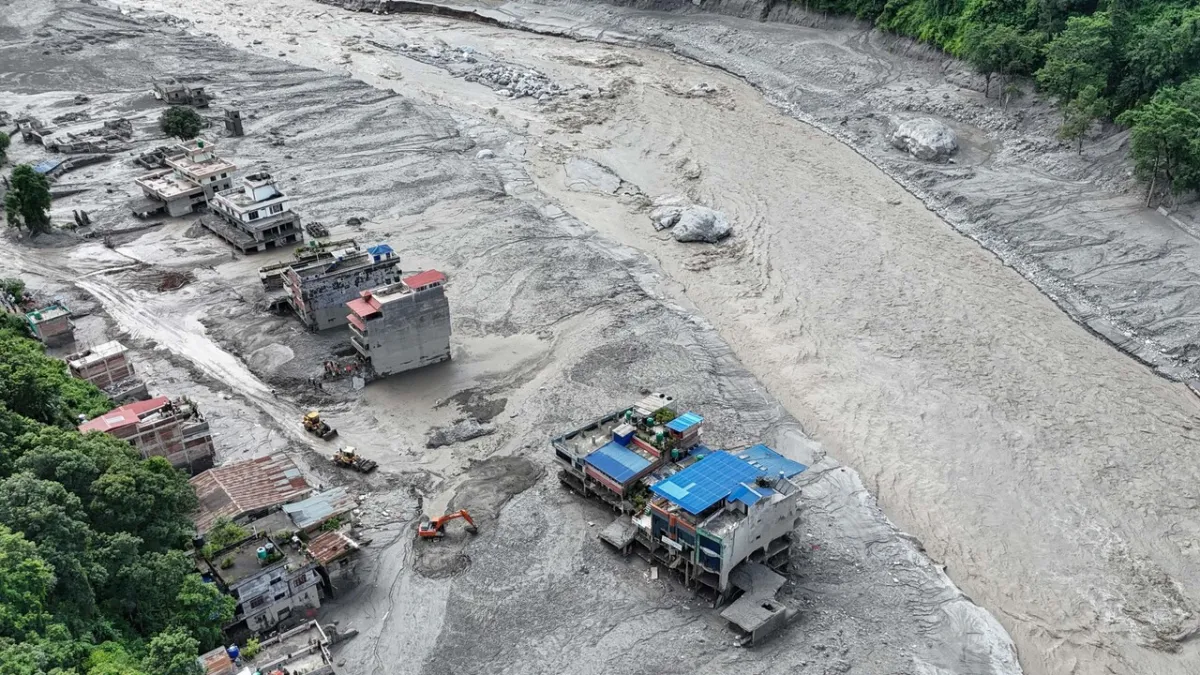
KATHMANDU – Nepal faces a humanitarian and ecological catastrophe following devastating flash floods across its territory. Infrastructure damage, loss of life, and hundreds of missing tourists are key concerns, with video footage illustrating the alarming scale of destruction. This disaster, believed to be triggered by a combination of extreme monsoon rains and glacial lake outburst floods, has transformed the once tranquil Himalayan landscape into a scene of devastation in 2026.
Initial reports from Nepalese authorities indicate that lowland areas and river valleys are the most severely affected. Bridges have collapsed, roads are cut off, and settlements are submerged or swept away by raging currents. Rescue teams struggle to reach isolated remote areas, while basic necessities such as food, clean water, and emergency shelter are increasingly urgent for thousands of displaced residents.
The phenomenon of glacial lake outburst floods (GLOF) is strongly suspected as one of the primary triggers for the intensity of this flood. Nepal Hit by Devastating Flash Flood, Glacier Lake Outburst Suspected Cause. Global climate change causes glaciers to melt faster, forming new high-altitude lakes at risk of breaching due to water pressure or seismic vibrations.
This flood has affected not only local residents but also tourists. Data shows that hundreds of foreign tourists who were trekking or touring in the Nepal and Tibet regions are reported missing. 517 Foreign Tourists Missing in Nepal-Tibet Floods, Kathmandu vs. Beijing Data Heats Up. Global concern has arisen, particularly from countries whose citizens are among the victims.
Among the missing are Italian nationals. Himalayan Flood Grips: Two Italians Missing, Tibet Water Threat Increases. Families in Italy are now in deep anxiety, awaiting the latest news regarding their relatives, who work as gold craftsmen. Wave of Italian Family Anxiety: Rapallo Goldsmith Missing in Nepal Post-Flood.
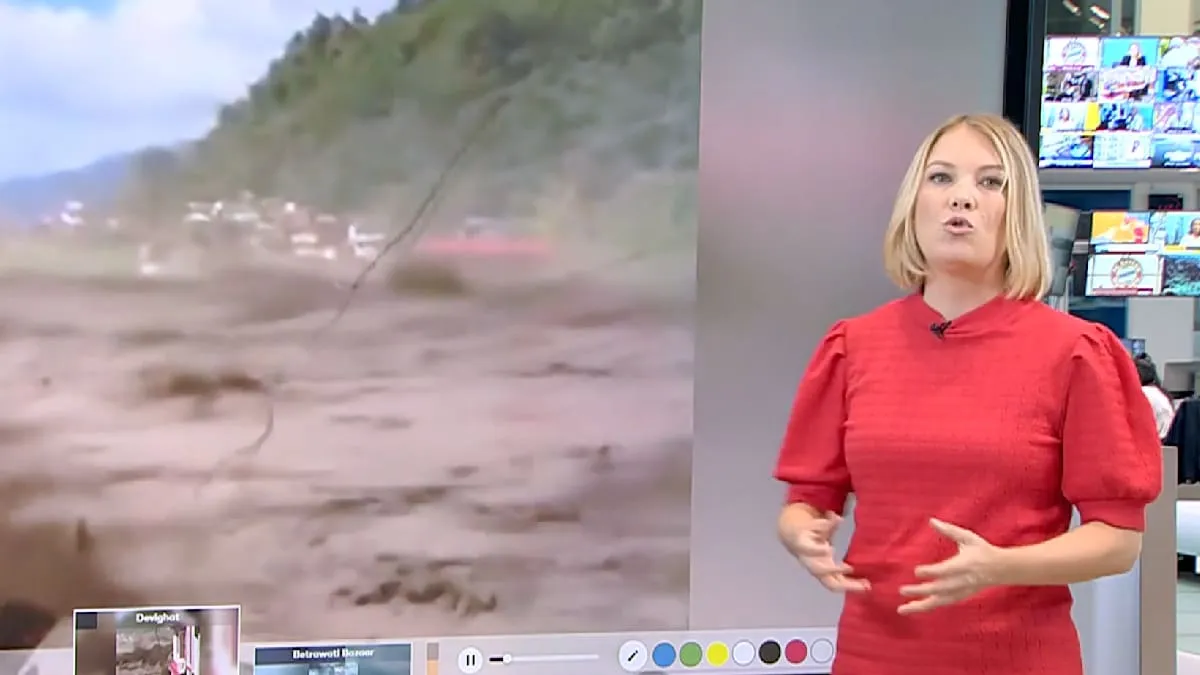
Intensive search and rescue efforts are being conducted by various parties, including the Nepalese military, police, and volunteers. Helicopters are deployed to reach isolated locations, but difficult terrain and changing weather conditions pose significant challenges. Chilling Reconstruction: Moments of Explosive Flash Flood Destroying Valleys.
Journalists from various international news agencies are reporting live from the field, describing the dire conditions. Crippled road networks cause long queues at borders, hindering aid distribution. ANSA Journalist Reveals Nepal Crisis: Monsoon Cripples Roads, 16-Hour Border Queues! Amateur and professional videos circulating show homes swept away, vehicles overturned, and landslides drastically altering the valley topography.
The international community has expressed sympathy and offered assistance. Several countries are beginning to send expert teams and emergency supplies to support the Nepalese government. Aid coordination is vital to ensure effective and efficient distribution to those in need.
This disaster also sparks a new debate regarding preparedness for climate change in vulnerable mountainous regions. Meteorologists and glaciologists have repeatedly warned about the increasing risk of hydrometeorological disasters in the Himalayas due to global warming.
The Nepalese government under Prime Minister Pushpa Kamal Dahal 'Prachanda' has activated all national emergency mechanisms, calling for unity and cooperation from all sectors of society to rise from this adversity. The primary focus remains on searching for and rescuing victims, followed by rehabilitation and reconstruction.
Editorial Insight:
The flood tragedy in Nepal underscores the urgency of climate change mitigation and adaptation, especially in vulnerable regions like the Himalayas. The scale of damage and the number of missing victims indicate that early warning systems and disaster response capabilities in developing countries require significant improvement. The role of the international community in providing sustained support, not only during the emergency phase but also for long-term recovery, will be crucial to help Nepal rebuild its community's resilience.