 Chandra Wijayanto
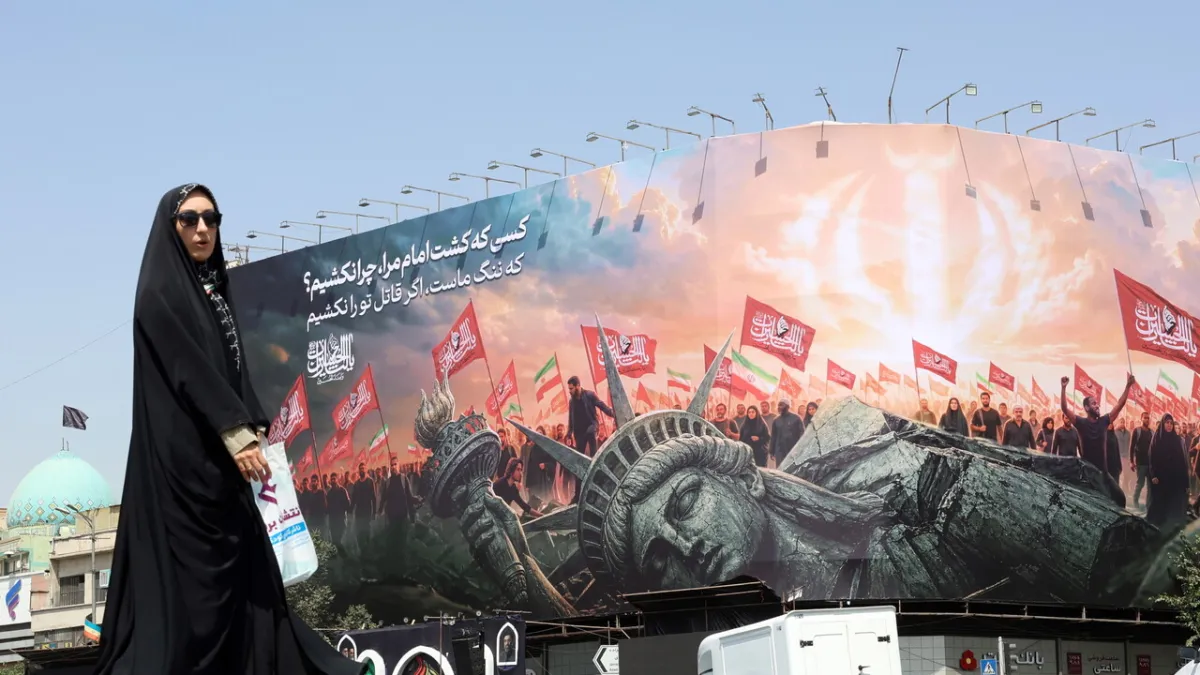
TEHRAN — Iran has affirmed it is not engaged in direct negotiations with the United States regarding the crucial issues in the Strait of Hormuz. This statement comes amidst signals of Washington's willingness to return to previous commitments, fueling speculation about the direction of strained bilateral relations. The developments coincide with sharp criticism from US President Donald Trump against public figure Hegseth, reports of missile shortages in Washington, and the tragic news of two Israeli soldiers killed in southern Lebanon, indicating significant regional upheaval.
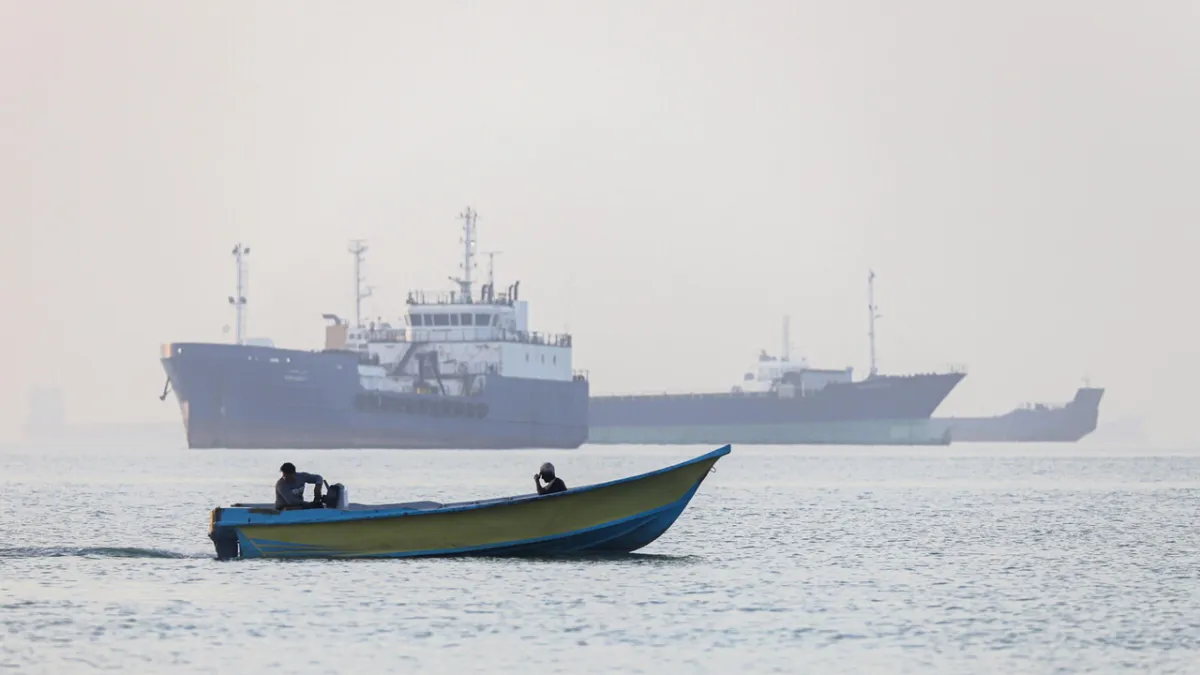
The spokesperson for Iran's Ministry of Foreign Affairs explicitly stated in an official release that any discussions concerning security and navigation in the Strait of Hormuz are conducted solely through the mediation of Oman. "We are emphatically not negotiating with the United States regarding Hormuz. Our dialogue is strictly limited to the Sultanate of Oman," he said, emphasizing Oman's role as the sole mediator on this sensitive issue.
The Strait of Hormuz, separating the Persian Gulf from the Gulf of Oman, is a vital shipping lane for a large portion of the world's oil exports. Volatility in these strategic waters invariably triggers global concerns about potential disruptions to energy supplies and international economic stability.
Nevertheless, Tehran also highlighted indications from Washington regarding its readiness to revert to a number of previously agreed commitments. "From the United States, there are signs of willingness to return to commitments that were previously set aside," the spokesperson added, without detailing the specific commitments referred to. Analysts speculate this points to efforts to revive elements of the stalled Iran Nuclear Deal (JCPOA).
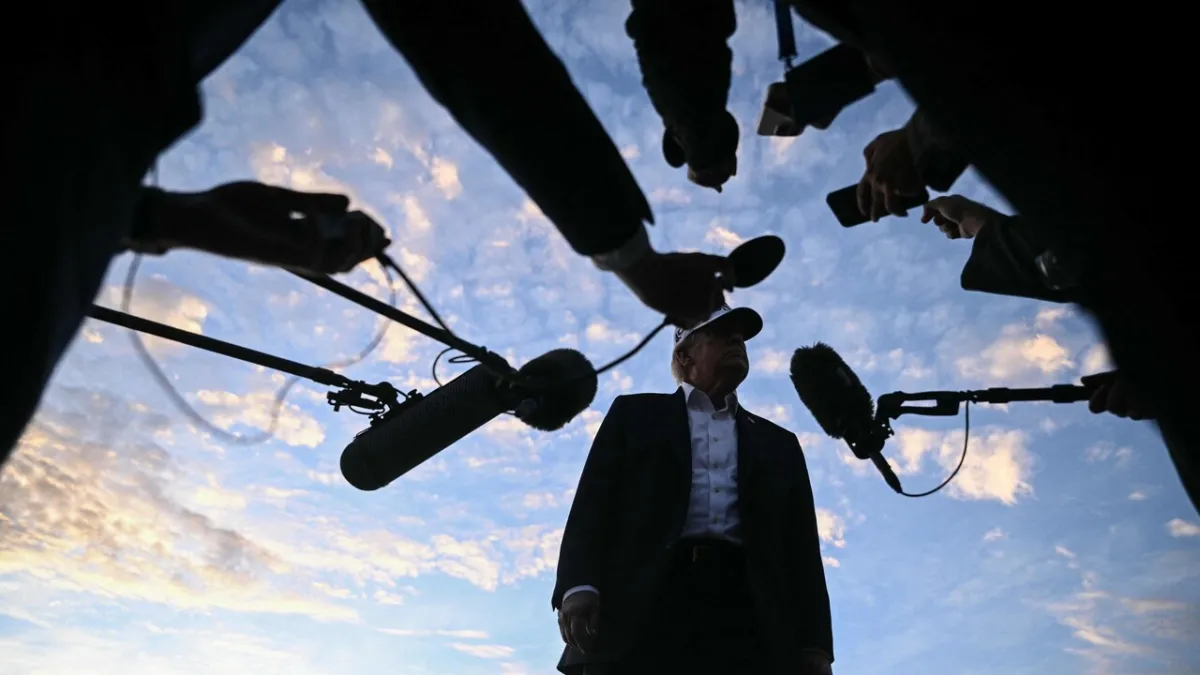
Domestically in the United States, the political landscape is again marked by controversial statements from President Donald Trump. His criticism targeting Hegseth, a prominent commentator, has sparked debate about internal governmental dynamics and their influence on foreign policy, especially given his reputation for often making strong statements against political opponents and rival nations, as previously covered in the news article "Hormuz Tensions: Trump Threatens Iran, Tehran Calls US President Not Credible." These events occur as Trump enters the final year of his term in 2026, with the upcoming presidential election as a primary focus.
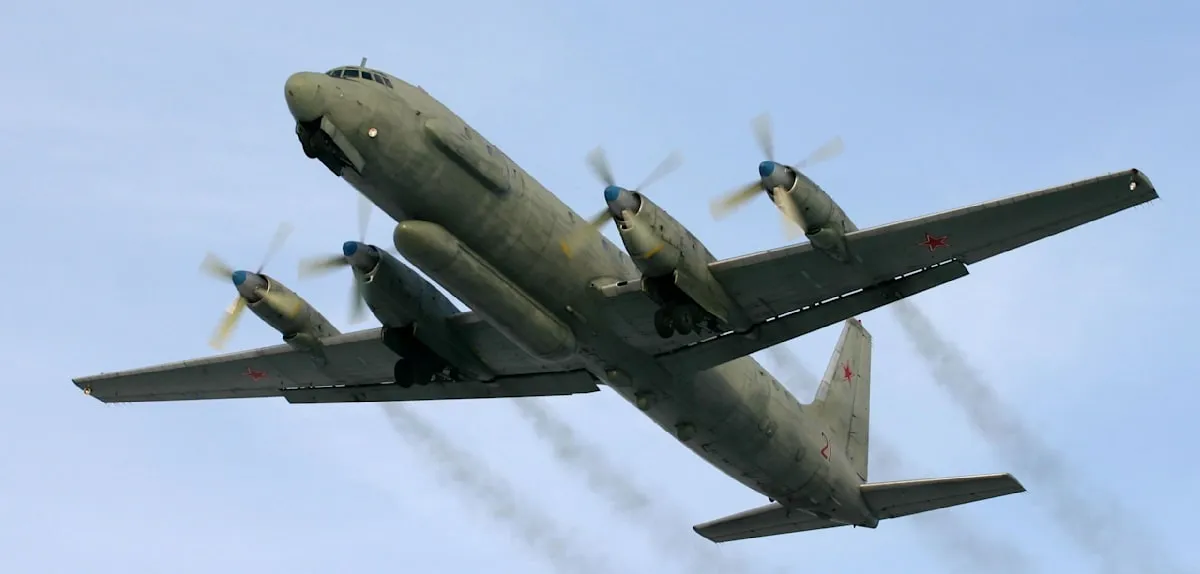
Another equally concerning issue is the report of missile supply shortages in US military arsenals. This condition has become a serious concern among defense experts, raising questions about the superpower's strategic readiness to face potential global conflicts, particularly amidst escalating tensions in various parts of the world.
Concurrently, stability in the Middle East is once again tested by a tragic incident on the southern Lebanese border. Two Israeli soldiers were reportedly killed in an event whose full details have not yet been revealed, an incident also highlighted by the international public through the article "Border Heats Up: Two Israeli Soldiers Killed in Southern Lebanon." This incident extends the long list of conflicts and tensions that continue to loom over the region.
The deaths of the two soldiers, as reported by Israeli military sources, occurred during a patrol in an area frequently prone to friction. The Israeli military immediately launched an in-depth investigation to identify the exact cause and those responsible for the fatal attack.
These developments in southern Lebanon further complicate an already intricate geopolitical situation. Relations between Israel and Lebanon remain overshadowed by a long history of conflict, and every border incident has the potential to trigger wider escalation.
The situation, spanning from Tehran to Washington, and extending to the Lebanese border, reflects a global landscape full of uncertainty in 2026. Diplomacy in the Strait of Hormuz, internal US political turmoil, defense issues, and border conflicts are all interconnected, forming a mosaic of challenges that demand serious attention from the international community.
Foreign policy observers emphasize the importance of open communication and clear diplomatic channels to de-escalate tensions. The United States' willingness to return to commitments, even without direct negotiations in Hormuz, could provide an opening for the resumption of constructive dialogue between the two nations.
Oman, with its consistent role as a neutral facilitator, is expected to maintain vital communication channels between Tehran and Washington. The success of Oman's mediation will be key to preserving the stability of one of the world's most important shipping lanes.
The US missile limitation also highlights the need for a re-evaluation of defense strategies and military supply chains. In an era of intense global power competition, military logistical readiness becomes a decisive factor in deterrence and response effectiveness.
As for the incident in southern Lebanon, it serves as a bitter reminder that peace in the Middle East remains a fragile goal. De-escalation efforts and enforcement of ceasefire agreements are paramount priorities to prevent recurring cycles of violence.
Overall, these dynamics indicate that in 2026, the world continues to grapple with geopolitical complexities that require careful diplomacy, adequate military preparedness, and a strong commitment to peaceful resolution.