 Dorry Archiles
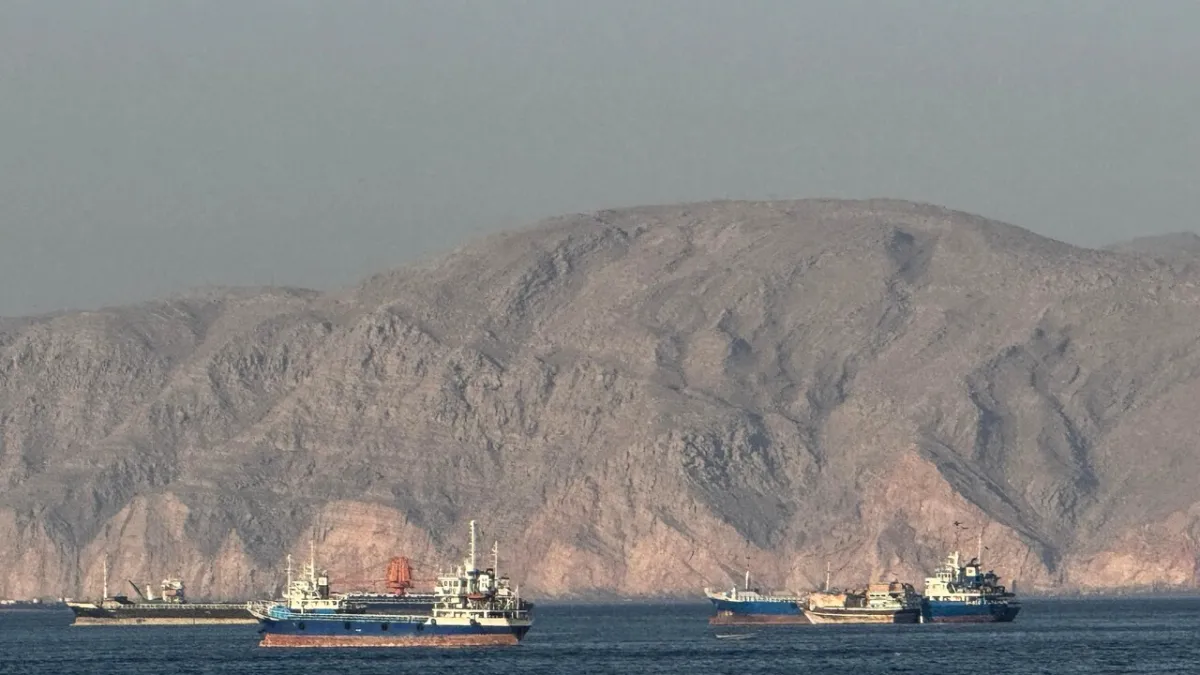
WASHINGTON — Geopolitical tensions in the Middle East are flaring up again following a strong statement by US President Donald Trump regarding the future of the Strait of Hormuz. Trump hinted that an agreement on the vital waterway could be reached soon, even "today or Thursday," while issuing a harsh ultimatum to Tehran. However, Iran immediately responded with sharp skepticism, asserting that the US President is "unreliable."
This situation arises after a period of intense negotiations that have been ongoing for some time to ensure freedom of navigation in one of the world's most important oil shipping lanes. Trump's statement earlier this week, promising "hard blows" if the Strait of Hormuz is not opened promptly, has heightened global concern over the potential for conflict escalation in the region.
President Trump, speaking from the White House, stated, "Much progress has been made. The Strait will open very soon, otherwise, very hard blows will occur." His tone indicated the urgency and impatience of the United States regarding the protracted negotiation dynamics with the Islamic Republic of Iran.
However, the response from Tehran was equally blunt. A senior Iranian official, who declined to be named due to diplomatic sensitivity, dismissed Trump's optimism. "The President of the United States is unreliable," he said, adding, "it is the United States that is slowing down the achievement of an agreement." This statement explicitly blames Washington for the stalemate in the dialogue process.
The Strait of Hormuz, connecting the Persian Gulf with the Gulf of Oman, is a crucial strategic chokepoint. Approximately one-third of all globally traded oil passes through this strait daily. Therefore, any threat to its navigation has serious implications for global energy markets and international economic stability.
Analysis from several international geopolitical experts in 2026 indicates that friction between Washington and Tehran has become a recurring pattern. Nevertheless, the increasingly harsh rhetoric from both sides always carries the potential for significant increased risk.
President Trump's "hard blows" statement can be interpreted as a spectrum of options, ranging from heavier economic sanctions to potential military action. The ambiguity regarding the nature of these "hard blows" only adds to the uncertainty amid an already fragile regional environment.
For Iran, maintaining sovereignty and influence over the waters of the Persian Gulf is a top priority. They view US demands as interference in their internal affairs and national security. This remains a major stumbling block in efforts to reach a lasting compromise.
The international community, including US allies in Europe and Asian nations heavily reliant on Gulf oil supplies, is now watching every development with bated breath. They hope that diplomatic channels remain open and tensions can be defused through constructive dialogue.
Negotiations concerning the Strait of Hormuz are not only about freedom of navigation but also reflect broader regional and global power struggles. This dynamic is similar to New Asian Threats or Crimean Upheaval, where major powers intersect.
Despite Trump's claims of "much progress," signals from Tehran indicate that the gap in differences remains quite wide. The process of reaching a consensus that satisfies both parties, while also ensuring maritime security, appears to be an ongoing challenge in 2026.
The world anxiously awaits whether the agreement Trump hopes for will materialize, or whether the threat of "hard blows" will become a reality, opening a new chapter in the dynamics of conflict in the Middle East. Regional stability depends on the actors' ability to navigate these political and military complexities.