 Gabriella
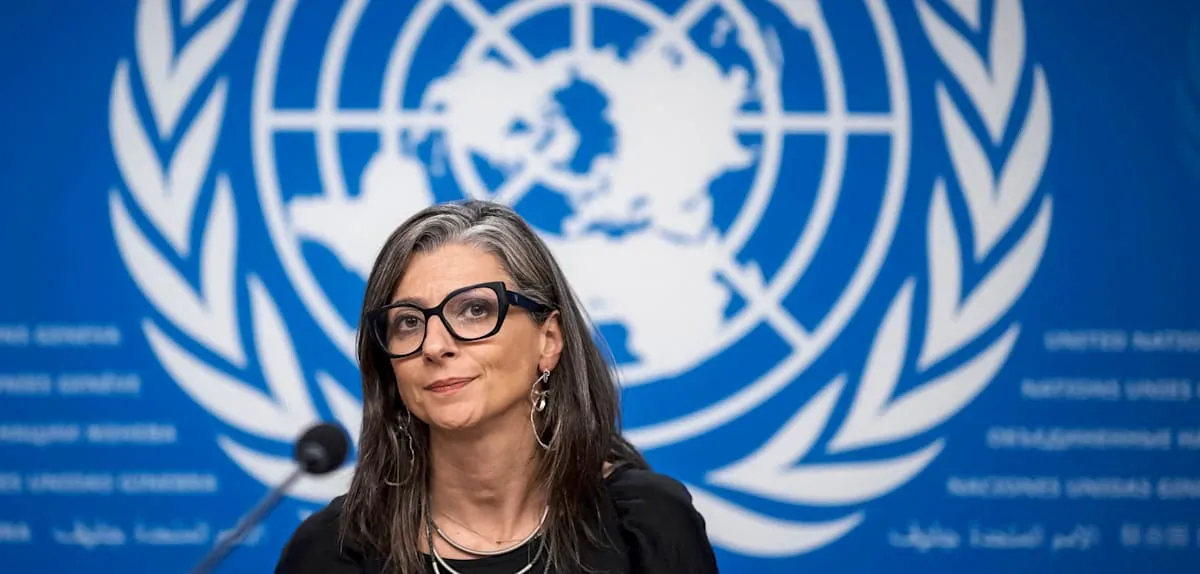
Geneva – Francesca Albanese, the United Nations (UN) Special Rapporteur on the situation of human rights in the Palestinian territories, has acknowledged a fundamental error in her statements regarding the origins and nature of antisemitism. This admission followed a wave of severe criticism, particularly from Gedenkstaette Yad Vashem, the world's leading Holocaust memorial institution.
In an interview that sparked controversy, Albanese, serving as a UN envoy, was deemed to have incorrectly represented the historical emergence of the concept of antisemitism. This interpretive error triggered significant reactions from various parties concerned with historical accuracy and the fight against racial hatred.
Yad Vashem, the Holocaust remembrance center in Jerusalem, promptly responded to Albanese's remarks. They issued sharp criticism, asserting that a misunderstanding of antisemitism could undermine global efforts to combat prejudice and discrimination against Jews. This critique highlighted the necessity of historical precision from any public figure, especially those holding international mandates.
The institution underscored the importance of correctly understanding that antisemitism is not a new phenomenon emerging with specific conflicts but rather a millennia-old form of hatred that culminated in the tragedy of the Holocaust. Albanese's statements were perceived to have obscured the historical roots and complexity of this phenomenon.
Following the widespread criticism, Francesca Albanese expressed her regret and admitted to making a mistake. She stated that her remarks in the interview were inaccurate and did not reflect her true understanding of the history of antisemitism. This admission is expected to alleviate the tensions that arose from the incident.
An admission of error from a UN official of the Special Rapporteur's stature is significant. It affirms that accountability and revision of erroneous public statements are fundamental principles in international diplomacy and communication, particularly when dealing with sensitive and historical issues.
The role of a UN Special Rapporteur demands utmost diligence in every statement, given its broad impact on public opinion and international relations. The issue of antisemitism, with its dark history, requires a highly cautious and fact-based approach.
This incident also prompted further discussion on the challenges of conveying complex historical narratives amid a polarized global political environment. The precision of terminology and understanding of context become crucial to prevent misuse or distortion of history.
The international community, including human rights organizations and educational institutions, continues to fight misinformation and disinformation. Albanese's case serves as a reminder of the vital importance of continuous education and reliance on credible sources in understanding the history of genocide and discrimination.
The UN's efforts to promote global human rights must always be founded on a solid and unambiguous understanding of history. Errors like this, even when retracted, underscore the need for stricter oversight and training for international officials on sensitive issues.
Editorial Insight: This incident involving the UN Special Rapporteur highlights the fragility of historical narratives in the public sphere and the moral responsibility borne by international figures. Admitting a mistake is an important step, but the impact of erroneous statements, particularly concerning antisemitism, can resonate for a long time. It serves as a critical reminder that diplomacy must always be balanced with historical prudence and a commitment to factual truth. This event reinforces the urgency of Holocaust education and the fight against historical distortion as an integral part of the global human rights agenda.