 Robert Andrison
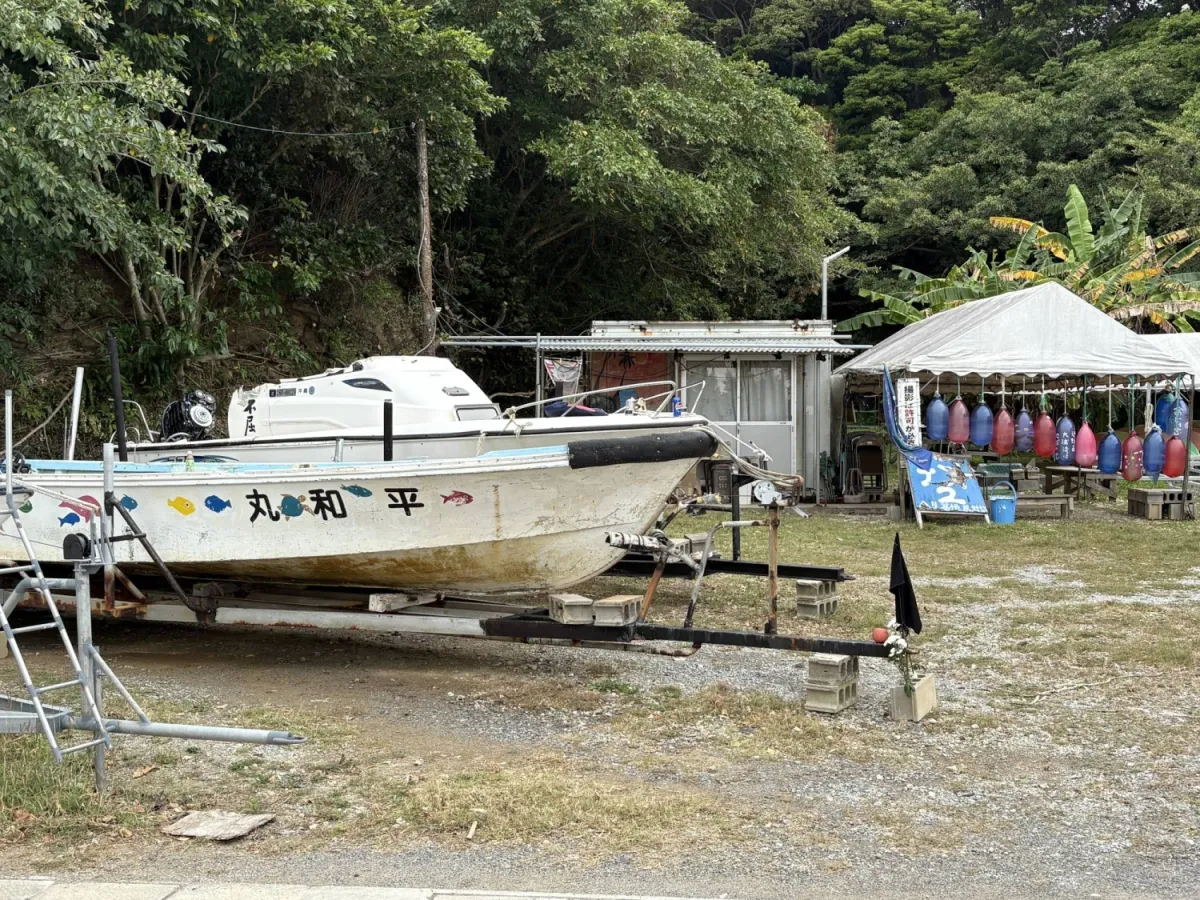
TOKYO – The Japanese government has announced serious measures to tighten regulations on the identification of licensed small boat operators following a fatal incident in March 2026. The tragic accident off the coast of Henoko, Nago, Okinawa Prefecture, involved an unlicensed boat operator, fueling public calls for reforms in the maritime safety system.
This horrific incident highlights a significant security gap in the oversight of small boat operations in Japanese waters. Initial data indicates that the negligence of the unlicensed operator was a primary factor in the accident that claimed lives.
The Ministry of Land, Infrastructure, Transport and Tourism of Japan now plans to revise relevant regulations. The aim is to make it easier for authorities to identify individuals operating small vessels, ensuring that all activities are carried out by competent and legitimately licensed parties.
This step is a direct response to a wave of public criticism and concern regarding safety at sea. Many argue that the current system is too lenient, allowing irresponsible operators to act without adequate supervision.
The government underscores its commitment to preventing the recurrence of similar tragedies in the future. A source within the ministry stated, Our top priority is to protect the lives of citizens and tourists who use our waters. This regulatory revision is crucial to achieving that goal.
Easier identification is expected to deter illegal operators. Furthermore, the new system will facilitate tracking in the event of an incident, allowing for more effective law enforcement.
Key points to be reformed include:
- Increased registration and identity verification requirements for all small boat operators.
- The use of digital technology for license data to be easily accessible by authorities.
- Stricter penalties for individuals proven to operate boats without a license or violate safety rules.
- Public education campaigns on the importance of maritime safety and the dangers of unlicensed operators.
The incident in Okinawa reinforces the argument for strong synergy between robust regulations and stringent field implementation. This case serves as a bitter reminder of the consequences of negligence in adhering to maritime safety standards.
In a broader context, Japan, as an island nation, heavily relies on maritime activities for its fishing industry, tourism, and transportation. Therefore, ensuring safety in its waters is a national imperative.
These new regulations are expected to be implemented promptly after parliamentary deliberation and approval. The public anticipates tangible changes that will enhance a sense of security when engaging in sea activities.
Editorial Insight: The Japanese government's decision to overhaul regulations for small boat operator identification demonstrates a serious commitment to public safety, particularly in the maritime sector. The tragic incident in Okinawa served as a catalyst for long-needed changes. While there will be challenges in implementation and adaptation, this step is crucial to reducing accidents caused by negligence and ensuring that every individual navigating complies with competency standards. It could also set an important precedent for other nations with high maritime activity to review their safety policies.