 Robert Andrison
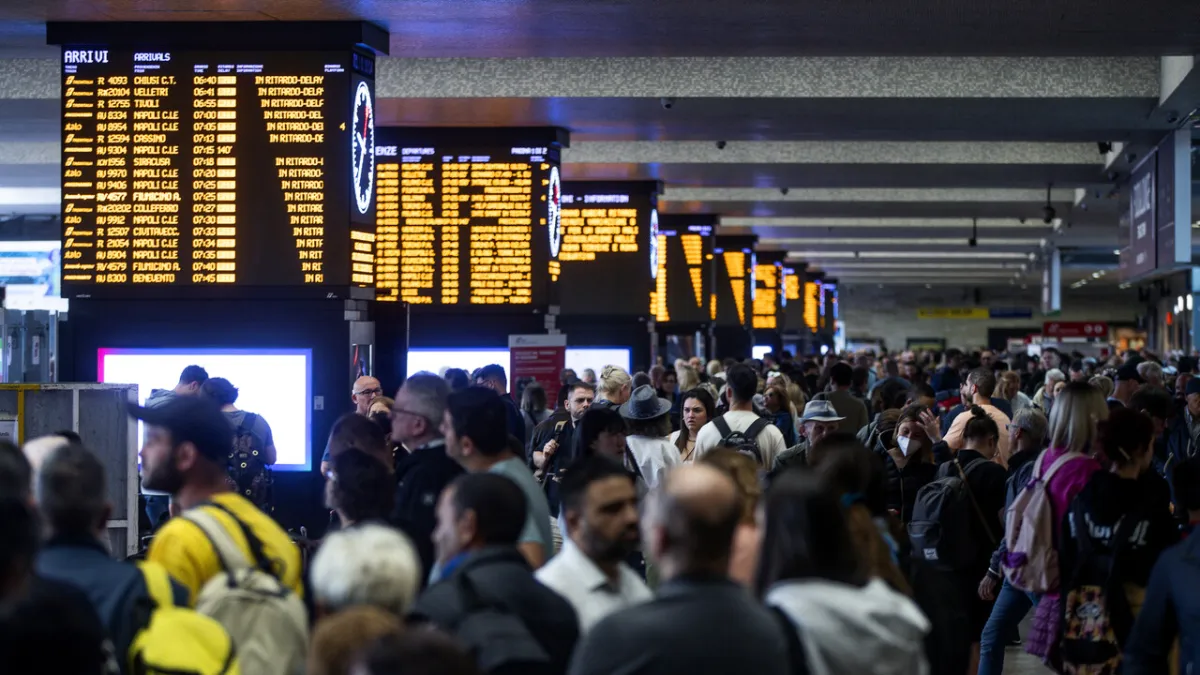
ROME – The Italian Transport Authority (Autorita Trasporti) officially imposed a fine of 1.75 million euros, equivalent to approximately 29 billion Indonesian Rupiah, on Rete Ferroviaria Italiana (RFI) in October 2026. This sanction was issued due to a significant failure in railway service management that caused severe chaos at the main Roma Termini station in October 2024. The incident, triggered by a technical fault, resulted in a series of delays and cancellations that crippled the mobility of thousands of passengers.
The fine underscores the authoritys commitment to maintaining public service standards and the accountability of vital infrastructure operators. RFI, as the manager of the national railway network, was deemed inadequate in its crisis handling, exacerbating the impact of the technical malfunction.
The malfunction, referred to as 'il chiodo' in initial reports and later clarified as 'guasto' or a technical fault, occurred in the signaling system at one of Roma Terminis critical operational centers. Although the exact cause of the fault was not publicly detailed, its repercussions were widespread, causing cascading disruptions on both long-distance and regional train lines.
Thousands of passengers were stranded at the station, facing uncertain information and a lack of alternative transportation options. Local media widely reported the frustration and anger among commuters and tourists whose travel plans were thrown into disarray, from daily workers to visitors heading to various Italian cities.
The Transport Authority, an independent body overseeing the transport sector, conducted a thorough investigation following the incident. The probe focused on RFIs emergency protocols, response speed, and the quality of communication with passengers during the crisis. The findings indicated negligence in several operational aspects.
According to an official statement, RFI failed to implement effective emergency procedures to mitigate the faults impact. The lack of coordination in providing accurate and real-time information to passengers was also a key point forming the basis for this fine.
Similar incidents, though not always on this scale, frequently spark debate regarding infrastructure investment and the modernization of Italys railway systems. The railway is the backbone of public transportation in the country, and any major disruption has a domino effect on the economy and social life.
Analysis suggests that the Roma Termini incident serves as a crucial reminder for all infrastructure operators to focus not only on routine maintenance but also on developing adaptive and robust crisis management strategies. Demands for excellent service are increasing, and failures to meet these expectations will lead to serious financial and reputational consequences.
RFI has issued a brief statement indicating it will review the fine decision. They also reiterated their commitment to continuously improving service quality and operational safety. However, no further details have been provided regarding concrete steps to prevent similar incidents in the future.
This decisive action by the Transport Authority is expected to set an important precedent for all transport operators in Italy. It is not merely about financial penalties but also a strong message regarding the urgency of reliable and safe public services for the community.
Editorial Insight: The €1.75 million fine imposed on RFI following the chaos at Rome Termini in 2024 underscores the increasing seriousness of regulators in enforcing public service standards. This case highlights the importance of infrastructure resilience and rapid crisis response. In Europes increasingly stringent regulatory landscape, we may see more similar sanctions targeting major operators, a trend indicating heightened pressure on companies to prioritize consumer interests. This aligns with a general trend of tightening regulations and fines across various sectors. In this context, the article Revolution in Fines: Mandatory Car Insurance, Scooters on Pavements Increasingly Expensive! also indicates a shift towards stricter law enforcement in Italy.