 Gabriella
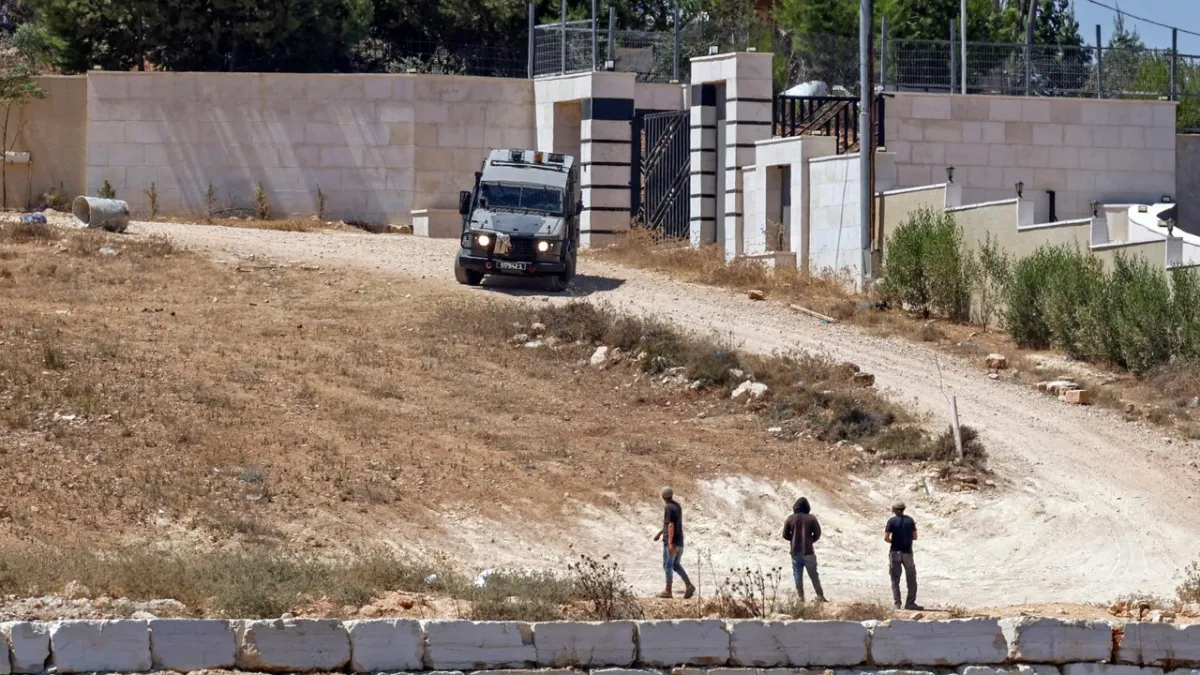
QUSRA – Five Italian citizens are reportedly trapped in a harrowing siege carried out by Israeli settlers in the village of Qusra, West Bank, Palestine. This emergency situation has drawn serious attention from the Italian Ministry of Foreign Affairs, known as Farnesina, which is now intensively monitoring developments on the ground as tensions escalate in 2026.
The siege has resulted in blockades of access and basic supplies, forcing the villagers and the five Italian citizens to live in isolated conditions. Incidents of violence and intimidation from Israeli settlers are reportedly increasing, creating a profound atmosphere of fear among the residents.
Farnesina has confirmed that it is closely monitoring the condition of its citizens. The Ministry continues to maintain communication with relevant authorities, both on the ground and at the diplomatic level, to ensure their safety and seek a resolution to the crisis.
Amidst the worsening crisis, a number of Israeli humanitarian activists have shown solidarity by attempting to break through the blockade. They are determined to deliver essential food aid to the besieged residents of Qusra, a courageous act aimed at alleviating suffering.
However, the activists efforts were thwarted by Israeli police. Security forces explicitly prevented them from approaching the village, even stopping the delivery of vital aid. This incident raises significant questions regarding the right to humanitarian access in a conflict zone, which is recognized internationally.
Tensions between Israeli settlers and Palestinians in the West Bank are not new. Palestinian villages are frequently targets of settlement expansion and systematic violence, reflecting a long-standing pattern of conflict that has persisted for decades.
The humanitarian impact of such a siege is devastating. It not only threatens lives but also deprives thousands of residents of basic rights such as food, water, and access to healthcare. This condition drastically exacerbates the humanitarian crisis in the region.
The international community, including the European Union, often expresses concern over settler actions deemed to violate international law and hinder the ongoing peace process. Calls for restraint and adherence to international law continue to resonate, but their effectiveness remains questionable.
This incident in Qusra is not the first time it has garnered widespread attention; previously, the village also experienced similar situations, as revealed in the article Qusra Heats Up: IDF Cancels Evacuation, US Ambassador Calls Siege Terror. This underscores that Qusra is a highly sensitive and vulnerable conflict point.
Residents of Qusra and humanitarian activists worldwide are urging further intervention from international bodies. They call for stronger protection for the population from settler violence and assurances that humanitarian aid routes remain open without obstruction.
Without effective intervention from global actors, the situation in Qusra has the potential to trigger a broader escalation of conflict. This threatens the already fragile stability of the Middle East, with potential ripple effects across the globe.
Editorial Insight: The incident in Qusra, with Italian citizens caught in the middle, highlights the complexity and urgency of the humanitarian crisis in the West Bank. This is not merely a local issue, but a reflection of the failure of international diplomacy to protect civilians from systematic violence. Farnesinas role is crucial, but without greater global pressure, this cycle of violence will continue, demanding a fundamental political resolution rather than mere incident management.