 Dodi Irawan
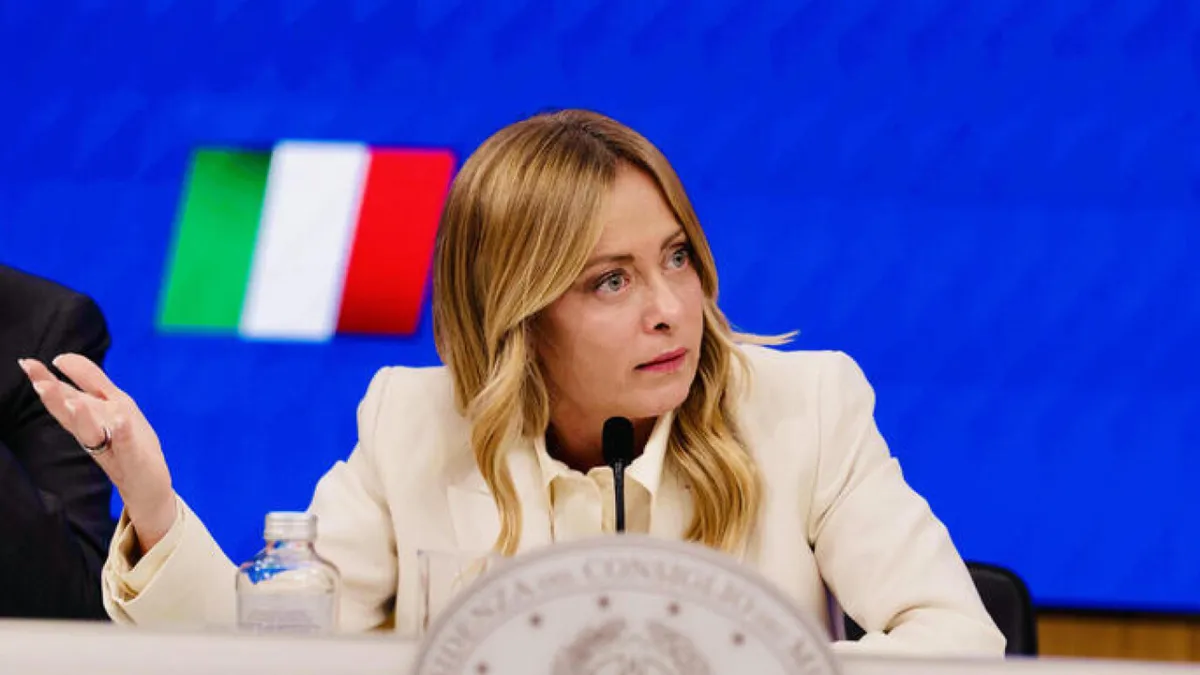
ROME – Italian Prime Minister Giorgia Meloni called for an immediate end to all divisions within her majority coalition, urging allies to focus on fundamental policy challenges, including pension reforms and the healthcare sector. This strong statement was delivered during a summit of coalition leaders aimed at defining crucial policy directions for the country.
The meeting, held amidst intense political dynamics, reaffirmed the government's commitment to priority agendas. Meloni emphasized the importance of synergy and internal unity to tackle issues directly affecting the welfare of millions of Italian citizens.
During the occasion, Meloni explicitly stated, Enough with the divisions, an expression implying disappointment with frictions that might hinder governmental effectiveness. She underscored the urgency of reaching consensus on vital decision-making.
Pension issues took center stage, as the existing system requires adjustments to ensure fiscal sustainability while providing fair social security for retirees. In-depth discussions on revising pension schemes became a core agenda item that must be resolved promptly.
Furthermore, the healthcare sector also demands serious attention. The Prime Minister called for a comprehensive improvement of national healthcare services, ensuring equitable accessibility and quality across all regions. This includes better budget allocation and management restructuring.
Beyond social issues, the government's economic agenda was also discussed. Meloni announced plans for the expansion of Special Economic Zones (ZES) nationwide, a strategic move expected to boost investment and job creation in various areas needing economic stimulation.
Mediation related to the condono policy or tax amnesty was also part of the intense coalition discussions. This policy, aimed at reforming the tax system and integrating overdue payments, requires careful political agreement to avoid further controversy. These discussions mirror previous fierce negotiations within the Italian coalition which covered business aid and flexible work.
Despite the Prime Minister's emphasis on unity, several coalition allies also voiced their aspirations. Some reminded that they too have their respective flag battles, referring to policy points or ideologies that are priorities for their parties and must be accommodated within a broader consensus.
This situation illustrates the complexity of maintaining cohesion among parties with diverse interests and constituent bases. However, Meloni's insistence demonstrates the government's seriousness in overcoming stalemates and advancing the national agenda.
The coalition's success in responding to Meloni's call for unity will largely determine the government's stability and its capacity to implement the promised policies for the Italian people. Without unity, the risk of stagnation and public distrust will only increase.
Editorial Insight: Prime Minister Meloni's urgent call to end divisions and focus on pension and healthcare issues reflects the significant pressure faced by Italy's coalition government. These issues are foundational to the country's social and economic stability, and an inability to act cohesively could undermine the government's legitimacy and effectiveness in the long term. The expansion of ZES and condono mediation indicate the government's attempt to balance fiscal needs with economic growth impetus, but everything hinges on the coalition's ability to work as a solid unit. Failure to reach consensus could trigger political turmoil that not only has domestic implications but also reverberates through European markets.