 Gabriella

ROME – Italy, after weeks of struggling against a grueling extreme heatwave, is predicted to experience a drastic weather change next week. A significant storm system is expected to bring heavy rainfall and a substantial drop in temperatures across much of the region, ending the scorching period that has paralyzed various sectors.
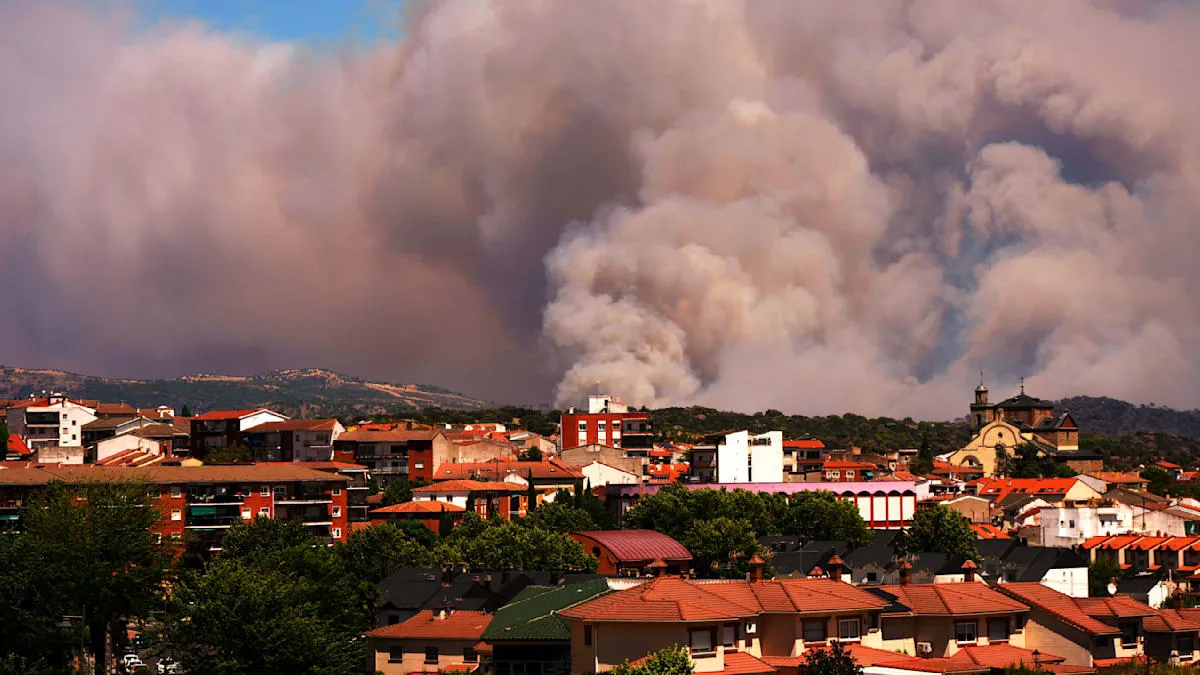
Atmospheric conditions on the Apennine peninsula recently have been dominated by subtropical high pressure, resulting in temperatures soaring well above seasonal averages. Various cities recorded their highest temperatures, triggering serious concerns about public health, water supply, and the potential for forest fires. Millions of tourists, including those visiting mountainous areas during the Extreme Ferragosto Heatwave, felt the direct impact of this unusual weather.
However, according to the latest reports from iLMeteo.it, strong indications point to a shift in weather patterns. A mass of cold air from the Atlantic is projected to move across Europe, gradually penetrating the high-pressure stronghold that has long dominated Italy.
This change marks the beginning of an atmospheric instability phase. Forecasts indicate that the first thunderstorms will begin to form in northern Italy early next week, before slowly moving south. Mountainous areas, especially the Alps and the Apennines, are expected to be the initial points of intensification for this phenomenon.
The temperature drop is one of the most anticipated aspects of this weather change. Meteorologists estimate that thermometers could show a decrease of up to 10-15 degrees Celsius in some areas. This will provide significant relief for the population and ecosystems that have been stressed by excessive heat.
The upcoming rainfall is also highly anticipated to address the drought conditions that have begun to affect several regions. Although a single storm cannot fully restore long-term water deficits, it can provide crucial supplies for rivers and reservoirs whose water levels have drastically dropped.
Regions such as Lombardy, Veneto, and Piedmont are likely to experience the earliest and most intense impacts of these storms. Subsequently, Tuscany, Umbria, and Lazio will also experience similar weather conditions. Even southern regions, known for their Mediterranean climate, such as Sicily and Puglia, will not escape the touch of rain and falling temperatures, albeit perhaps with less intensity.
Despite bringing relief, extreme weather changes also have the potential for risks. Heavy rainfall in a short period can cause localized flash floods, especially in urban areas with inadequate drainage, and trigger landslides in arid hilly or mountainous regions. Authorities remind the public to remain vigilant.
Local governments and civil protection authorities across Italy have issued warnings and appeals for the public to prepare for changing weather conditions. Appeals include clearing waterways, checking building conditions, and avoiding outdoor activities during storms.
This change is essential for Italy's climatic balance after a prolonged heat anomaly, explained Dr. Elena Rossi, a senior climatologist from the University of Bologna. We must continue to monitor global weather patterns. This may only be the beginning of larger fluctuations due to climate change.
The iLMeteo.it weather forecast specifically states that the peak of the disturbance will occur mid-week, with the possibility of thunderstorms accompanied by strong winds. Tourism operators and the agricultural sector have been asked to adjust their operational plans in line with updated predictions.
Editorial Insight: This extreme weather shift in Italy is not merely ordinary meteorological news; it reflects regional vulnerability to increasingly uncertain global climate patterns in 2026. While bringing relief from the scorching heat, the potential risks of floods and landslides demand better adaptive preparedness from the government and society. This incident underscores the urgency of comprehensive climate mitigation policies, rather than just reactive responses.