 Chandra Wijayanto
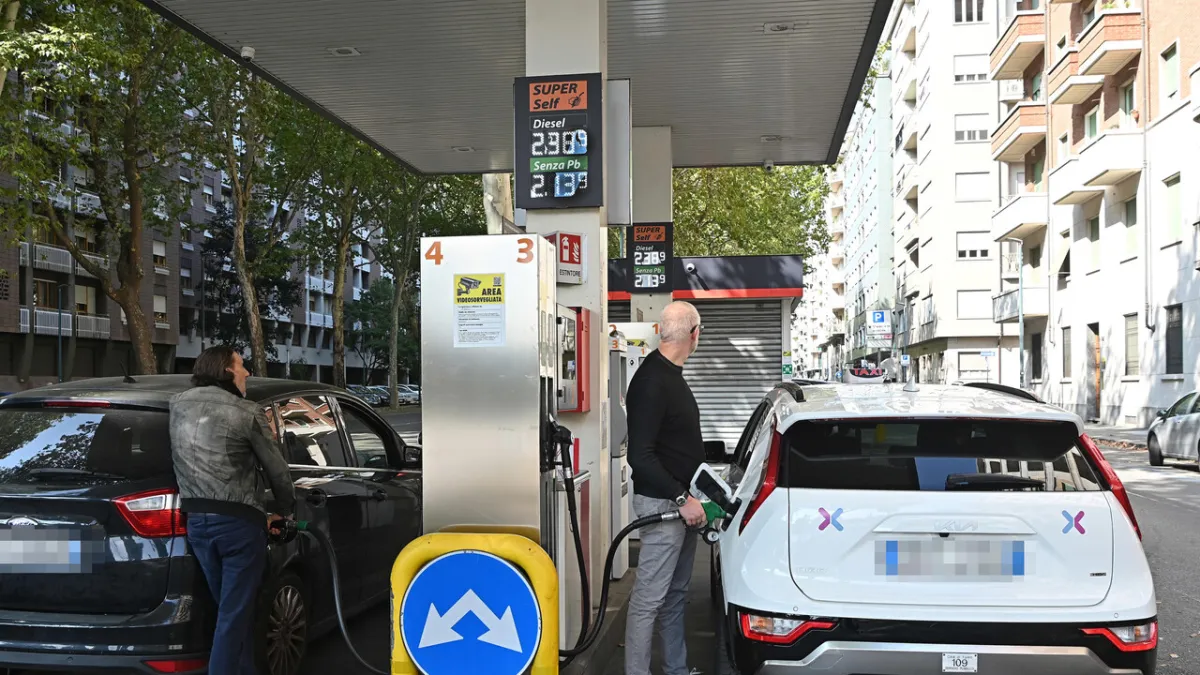
ROME – The fuel price cap policy has officially been implemented at Eni service stations across Italy, triggering significant changes in the energy market. However, IP service stations have reportedly not yet lowered their prices, creating a disparity and fueling debate regarding the implementation of this new regulation.
The Italian government took this drastic step to respond to energy price fluctuations that have burdened consumers for years. This regulation aims to maintain price stability amid global economic uncertainty in 2026.
This measure is part of a broader energy policy package rolled out by Prime Minister Georgia Meloni, as previously reported, to curb inflation and protect purchasing power. This policy had also previously triggered widespread taxi protests. Further discussion on similar issues can be found in our article: Italy's Fuel Price Capped, Meloni Guarantees Subsidies; Taxi Protests Rage!
At several Eni distribution points, on-site monitoring shows that fuel selling prices have been adjusted according to the government's set upper limit. Consumers are beginning to feel the positive impact of this intervention.
I am glad to see prices at Eni stabilizing. This greatly helps my family's finances, said a taxi driver in Milan, Fabio Rossi, who previously participated in the protests.
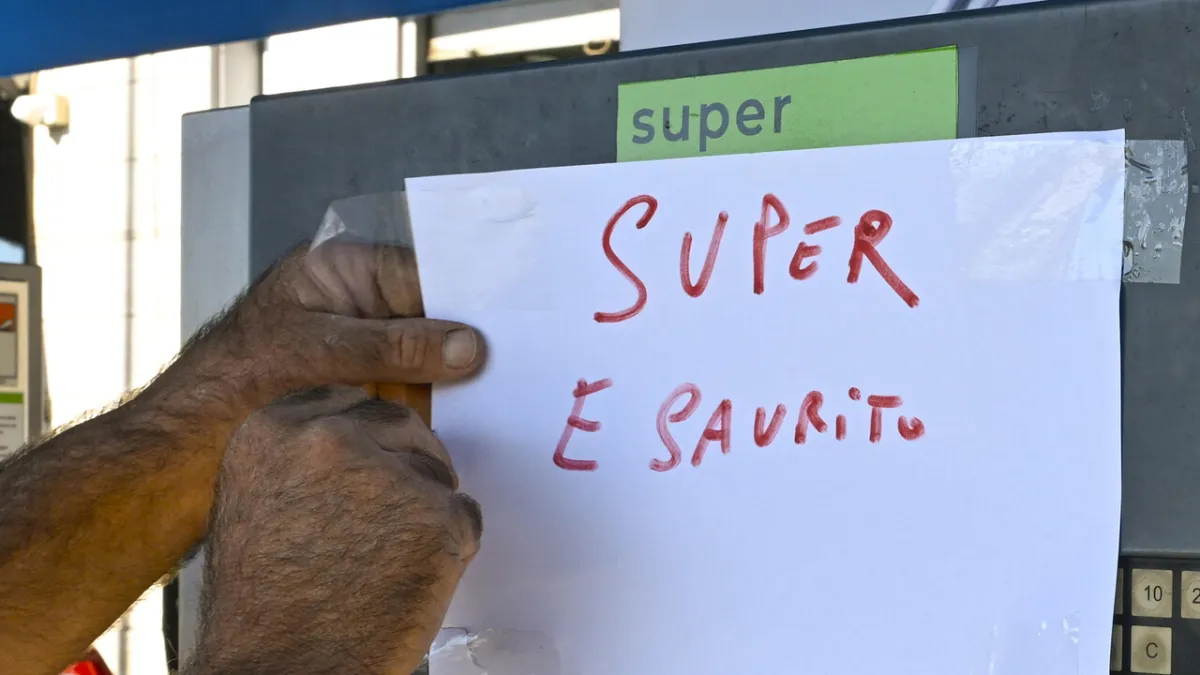
In contrast, IP service stations, another major player in the fuel sector, are still maintaining their previous price levels. This situation causes confusion among the public and raises questions about when they will comply with the same regulations.
Energy market analysts predict that this price difference will not last long. Public pressure and potential sanctions from regulators will most likely push IP stations to adjust promptly.
The government will not tolerate non-compliance with the implementation of this policy. Full adherence from all operators is key, said an official from the Ministry of Economic Development, who wished to remain anonymous.
Previously, companies like Socar have also offered discounts in response to this regulation, demonstrating a market dynamic that is responsive to government policies. More information can be found at: Italy's Fuel Price Cap: Socar and Eni Offer Discounts, Taxis Threaten Strike.
Latest data from the Italian Consumers' Association showed that diesel prices in some regions had approached a record 2.5 euros per liter before government intervention was implemented. Historical data can be viewed in the article: Italy's Fuel Price Soars: Diesel Nears Record 2.5 Euros Per Liter!
The implementation of this price cap is expected to alleviate public concerns about rising living costs. However, its impact on the profit margins of oil companies remains a major focus.
Moving forward, strict oversight of all fuel distributors will be crucial. The government must ensure that there are no monopolistic practices or hoarding that harm consumers.
The public awaits concrete steps from IP stations and other operators to demonstrate their commitment to supporting government efforts to stabilize the national economy.
This price cap is not the first to be implemented. Italy has a long history of regulating strategic sectors to protect public interests, especially during times of crisis.
The debate over government intervention in the free market always exists, but in the context of fuel, the need to maintain social and economic stability often becomes the top priority.
Consumers now have the option to choose service stations that have implemented lower prices, which will indirectly force other operators to follow suit to maintain competitiveness.
This situation also highlights the important role of the media in monitoring and reporting corporate compliance with public policies, ensuring transparency and accountability.
Editorial Insight: This fuel price cap policy in Italy reflects a classic dilemma between market intervention and free market mechanisms. Although noble in its aim to protect consumers, its uneven application potentially creates short-term competitive distortions. Moving forward, the success of this policy will heavily depend on consistent enforcement and the government's ability to maintain supply amidst controlled prices. Market reactions, especially from major operators like IP, will be key indicators of the policy's long-term effectiveness in stabilizing the economy without sacrificing investment.