 Chris Robert
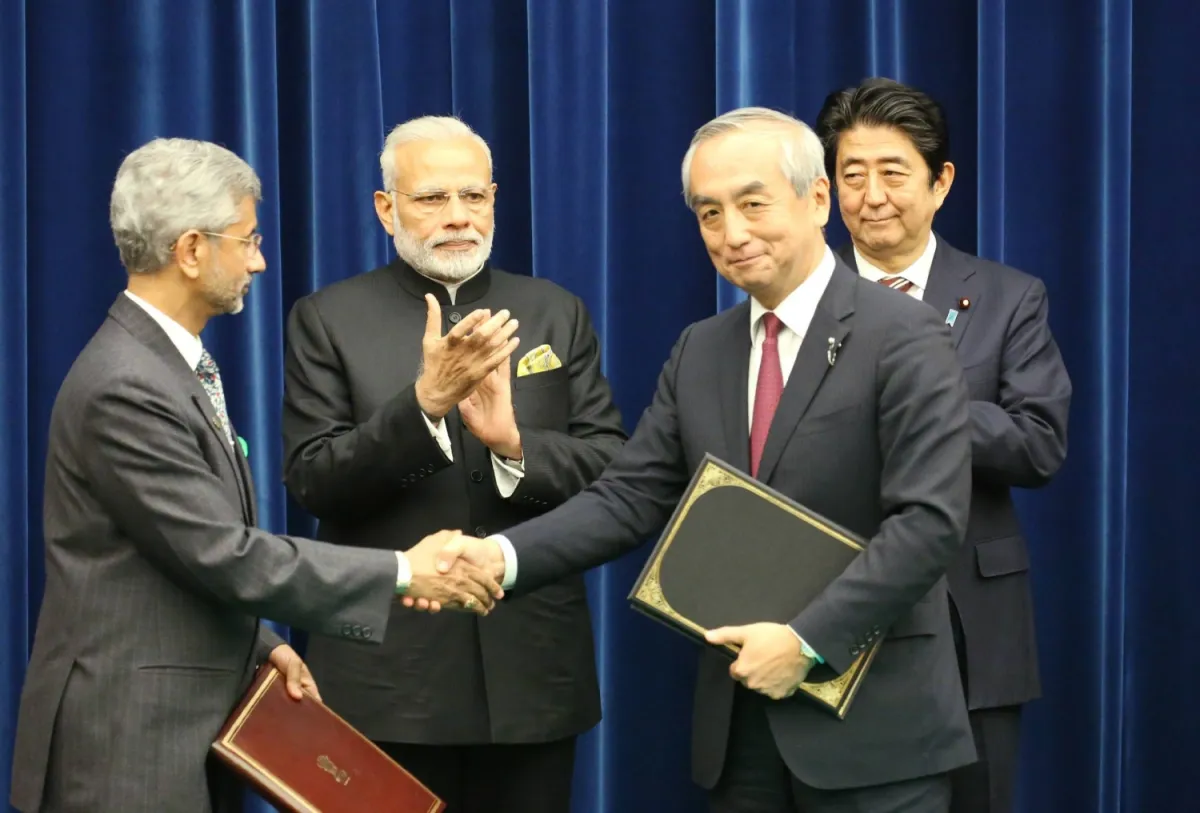
NEW DELHI – The nuclear power equipment export treaty between Japan and India, envisioned as a crucial pillar for Asia's clean energy transition, remains underutilized. This situation could potentially impede Indias ambitious goal of achieving 100 gigawatts (GW) of nuclear energy capacity by 2047, as well as its net-zero emissions target by 2070.
This limited utilization raises serious questions about the effectiveness of the strategic partnership between the two nations in the energy sector. Industry observers are urging both parties to re-evaluate the treaty's implementation to accelerate the achievement of Indias long-term energy objectives, which are vital for global sustainability.
India, as one of the world's fastest-growing economies, faces immense pressure to meet its surging energy demands while simultaneously reducing its carbon footprint. The target of increasing nuclear capacity to 100 GW within the next two decades represents a critical step in its energy source diversification strategy.
New Delhi's ambitious plans also align with global commitments to address climate change. Nuclear energy, while controversial for some, is considered a low-carbon power source capable of generating electricity on a large scale with stability.
The treaty between Japan and India, signed in 2016 and effective since 2017, was designed to pave the way for Japan to export advanced nuclear reactors and technology to India. This agreement marked a historic milestone, considering Japans unique position as the only nation to have suffered atomic bomb attacks and its stringent non-proliferation policies.
The partnership aimed to strengthen civil nuclear cooperation, support Indias efforts to overcome energy scarcity, and assist in its transition to cleaner energy sources. However, the slow pace of the treatys utilization suggests underlying obstacles that need immediate identification and resolution.
Some experts speculate that these obstacles could stem from various factors, such as the complexity of Indias domestic regulations concerning nuclear projects, challenges in securing large-scale funding, or even shifting policy priorities. A lack of effective coordination between the bureaucracies of both countries might also play a significant role.
From Japans perspective, potential concerns regarding stringent safety standards or nuclear security procedures could also slow down the export process. Japans political stability and internal dynamics, following the 2025 election ruling that questioned constitutionality and urged reforms, could also slightly influence their foreign policy focus.
If this treaty is not optimized soon, India may struggle to meet its 100 GW nuclear capacity target by 2047, which could ultimately delay the achievement of net-zero emissions by 2070. These consequences would not only impact India but also global efforts against climate change.
Failure to fully harness the potential of this cooperation could also undermine the credibility of bilateral agreements and send a negative signal to international energy markets regarding both nations' readiness to address future energy challenges.
The government in New Delhi is expected to review existing impediments and seek proactive solutions. High-level dialogue between Japanese and Indian officials, focusing on bureaucratic simplification and investment guarantees, becomes an essential step to reactivate the momentum of this treaty.
Editorial Insight:
The Japan-India nuclear treaty case highlights the complexities of implementing international agreements, especially in strategic energy sectors. Optimizing the treaty is not solely about technology; it also involves political commitment, adaptive regulations, and adequate resource allocation. Indias success in achieving its clean energy targets heavily relies on its ability to overcome bureaucratic hurdles and mobilize investments, with full support from strategic partners like Japan. The future of sustainable energy in the Asia Pacific hinges on the effectiveness of such collaborations.