 Gabriella
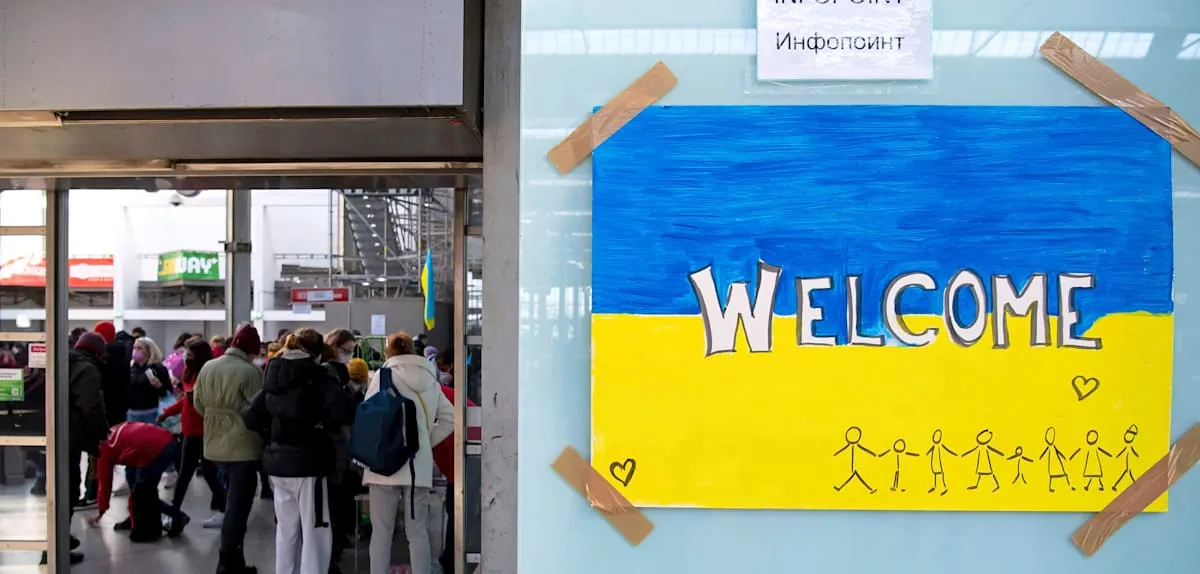
MUNICH – The city of Munich, Germany, is taking a significant step in addressing the housing needs of refugees by planning the conversion of former BMW corporate offices into a refugee accommodation center. This decision, announced in 2026, aims to house up to 1,200 individuals, including hundreds of refugees from Ukraine, despite data indicating a downward trend in asylum seeker numbers nationally.
This transformation stems from an urgent need for adequate accommodation in Munich. Despite a decrease in asylum applications across Germany, the Bavarian metropolis continues to face significant pressure to provide suitable housing for newcomers, especially those affected by protracted conflicts such as in Ukraine.
These now-vacant BMW offices, which were fully operational until early 2025, are set to embark on a new chapter of their function. Initially, the plan focused on accommodating approximately 600 refugees, with priority given to Ukrainian citizens seeking refuge from the ongoing Russian invasion.
However, in line with migration dynamics and adaptive needs, the housing capacity has been doubled to 1,200 people. This adjustment reflects the city authorities' flexibility in responding to evolving humanitarian situations, while optimizing the use of available property assets.
Munich's adaptive move also highlights the broader challenges faced by major European cities in managing refugee flows. Integrating commercial infrastructure into social housing has become an increasingly considered strategy for quick and scalable solutions.
The facilities in the former BMW building are expected to provide a safe and supportive environment for refugees, with access to basic services and social integration support. Further details regarding the amenities to be provided are currently being finalized by the city government.
This decision has also sparked discussions about the sustainability of long-term housing solutions. While converting office buildings can address emergency needs, observers emphasize the necessity of comprehensive strategies for long-term integration, including education and access to the job market.
Bavarian Minister-President Markus Soder has on several occasions stated that the state will continue to support humanitarian efforts. He underscored the importance of solidarity while ensuring that the state's capacity and resources are not overstretched.
The Ukrainian refugee crisis, ongoing since the full-scale invasion in 2022, continues to displace millions. Related articles such as Ukraine Claims to Bombard Two Russian Ships in Libyan Waters: New Escalation? indicate the geopolitical tensions that continue to simmer, indirectly driving waves of displacement.
Munich's initiative is seen as a potential model for other cities facing similar dilemmas: how to balance humanitarian empathy with the logistical and finite resource realities of a city.
Editorial Insight:
Munich's decision to transform former BMW offices into refugee accommodation marks a paradigm shift in European migrant crisis management. Instead of building new, time-consuming, and costly infrastructure, repurposing vacant commercial properties offers a pragmatic solution. However, the true challenge lies in long-term social integration and ensuring a dignified quality of life for residents, rather than merely providing temporary shelter.