 Edward DP Situmorang
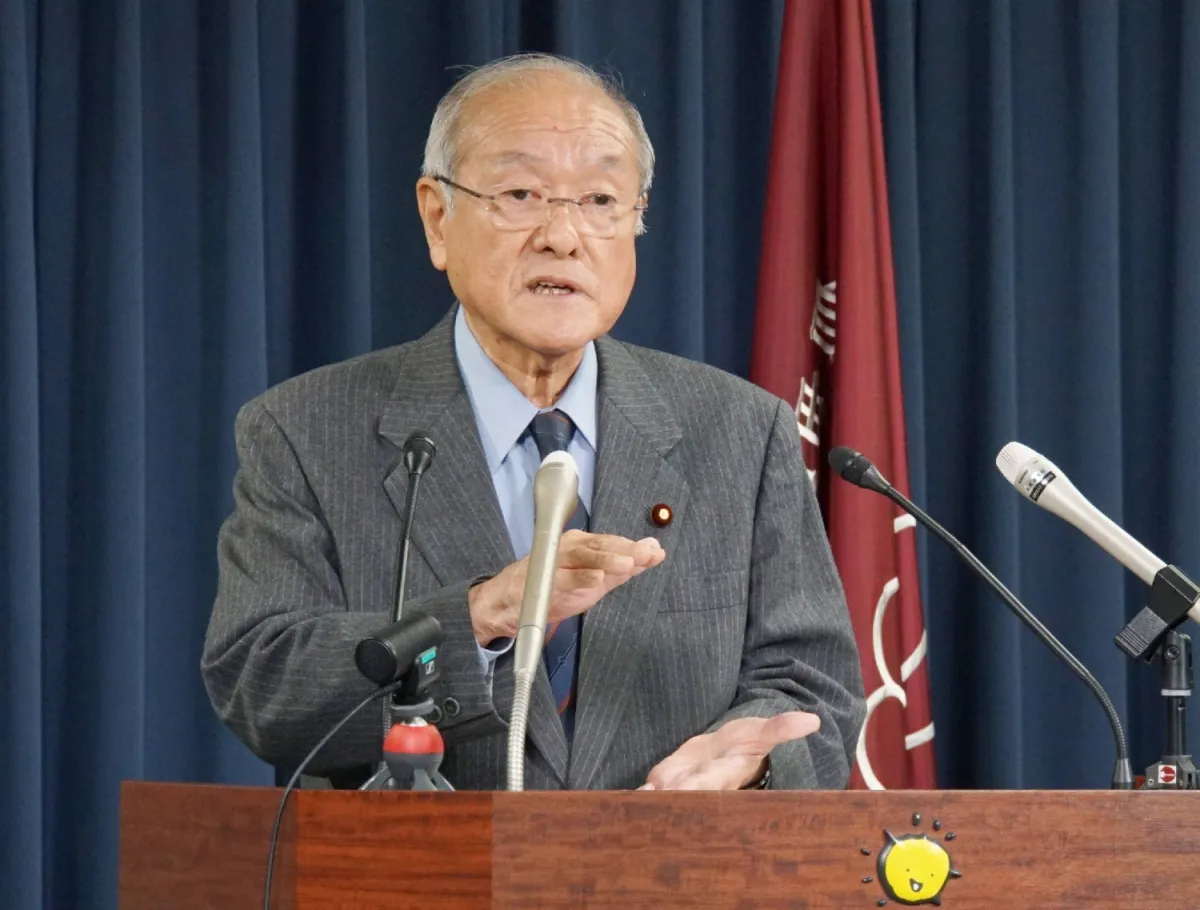
TOKYO – Japan's Liberal Democratic Party (LDP) officially issued a severe reprimand to former party Secretary-General Shigeru Ishiba and three other members in 2026. This sanction followed their walkout from a vote on a consumption tax revision bill in parliament, a significant move reasserting the leadership's authority ahead of crucial deliberations in the Upper House.
This disciplinary reprimand highlights the LDP's efforts to tighten internal control, especially as the debate approaches for a bill aimed at reducing food consumption tax. The four sanctioned members, including Ishiba, were accused of violating party lines by refusing to participate in a voting process vital to the government's economic agenda.
Ishiba, a prominent political figure who once posed a strong challenge in LDP leadership elections, along with three other unspecified members, openly voiced their disagreement with either the substance of the bill or its decision-making process. Their actions were perceived as a direct challenge to the ruling faction's solidity.
The LDP's firm stance is not merely a response to defiance but a broader strategy to ensure party cohesion. By strengthening internal discipline, the LDP hopes to avoid splits in votes that could weaken their position when the bill moves to the Upper House for deliberation, an arena often known for fierce debates.
The food consumption tax reduction bill is a politically sensitive government initiative, designed to ease the economic burden on the public amidst inflation and global economic challenges. However, the details of its implementation often spark intensive debate among politicians and the public.
For Shigeru Ishiba, this reprimand adds to his track record as a politician often at odds with the party's mainstream. Despite having a significant support base outside the core leadership, this incident could affect his future political prospects, especially in vying for strategic positions within the LDP.
The imposition of sanctions on Ishiba and his colleagues also sends a clear message to all LDP cadres: dissent will not be tolerated. This is vital for maintaining the narrative of unity and the LDP's ability to manage its legislative agenda, particularly when addressing sensitive economic issues.
Japan, like many other nations, faces complex economic pressures in 2026. Decisions regarding consumption tax have a direct impact on public purchasing power and macroeconomic stability. Therefore, the government's ability to pass this bill with full support from the ruling party is paramount.
This situation also mirrors other domestic political dynamics in Japan, including demands from regions like Okinawa, which continue to press Tokyo for further explanations regarding minimal military buildup in 2026. Such demands indicate existing tensions between the central government and local authorities over strategic policies.
With the passage of this bill in the Upper House, the LDP hopes to demonstrate its leadership capabilities and its seriousness in addressing the people's economic concerns. However, this reprimand incident also shows that even within a dominant party, differing opinions and internal resistance remain dynamics that must be managed.
Editorial Insight: The LDP's action to reprimand Shigeru Ishiba and three other members goes beyond mere enforcement of party discipline. It is a demonstration of leadership strength to ensure the government's legislative agenda proceeds smoothly, especially when discussing crucial economic policies like consumption tax. In an ever-volatile political landscape, the LDP aims to project an image of unity and control, yet such internal tensions also reveal cracks that the opposition could exploit in the future. This move could set a precedent for the future of party discipline in Japanese politics.