 Demian Sahputra
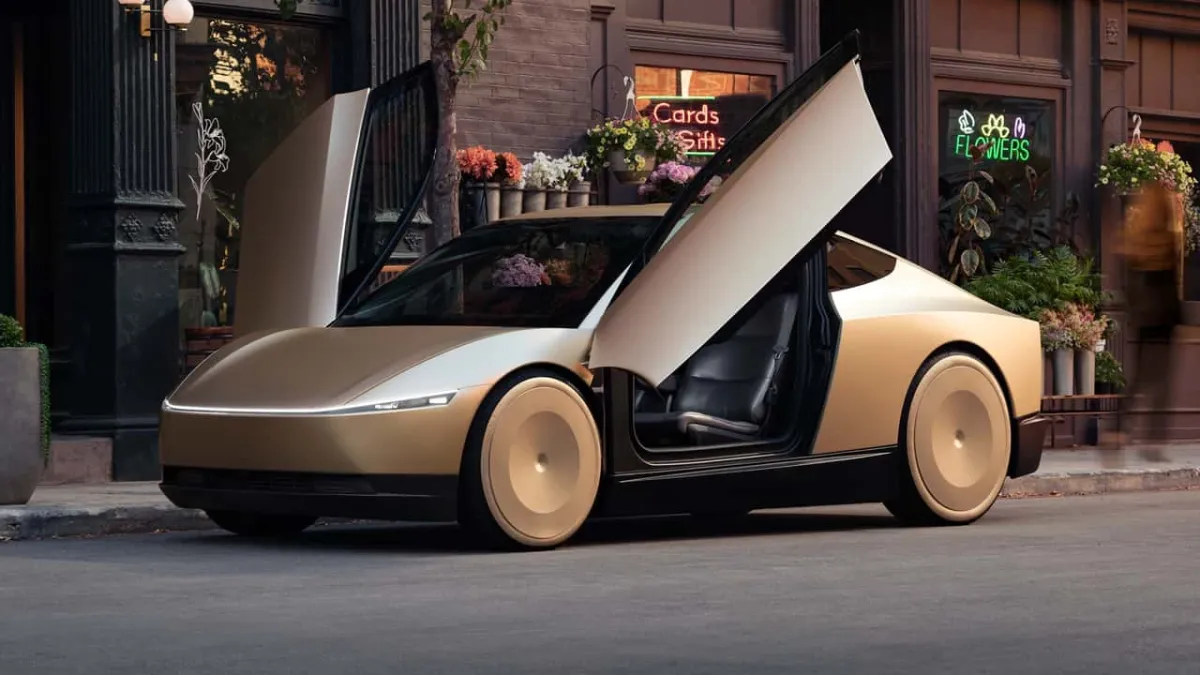
TEXAS – Renowned automotive presenter, Jeremy Clarkson, recently sent shockwaves through the global technology and automotive industries after exposing a series of operational flaws in Tesla's Cybercab robotaxi service in Texas. Clarkson's publicized experience highlighted incidents of running red lights and delayed braking responses, igniting a fierce debate about the readiness of autonomous vehicles for mass deployment in 2026.
Clarkson, in his report, specifically detailed how the Cybercab unit he was riding in drove through a red traffic light and exhibited alarming delayed braking responses. The incident occurred when he booked two Tesla robotaxi services in Texas, with one of them involving a ride in a Cybercab.
This occurrence is not merely a personal anecdote from a public figure but a potential indication of the substantial technical challenges still faced in the development of fully autonomous self-driving systems. This report directly brings Tesla's reputation as a pioneer in electric and autonomous vehicles under intense scrutiny, particularly concerning Elon Musk's promises of safe and reliable full self-driving capabilities.
Road safety experts have long voiced doubts about the rapid implementation of autonomous technology without adequate and extensive testing and clear regulations. The flaws exposed by Clarkson could significantly impact public and regulatory perception of robotaxi safety and reliability.
The global automotive sector, which has invested billions of dollars in autonomous technology, now faces even greater scrutiny. Other automotive companies continue to innovate in efficiency and performance, such as Volkswagen with its new T-Roc R threatening the Golf R's performance or Audi with its A2 E-Tron capable of powering homes, but Tesla now confronts fundamental safety issues.
Transportation authorities in various countries may consider re-evaluating or even imposing stricter regulations following the publication of these critical findings. Consumer trust, which is a vital foundation for the large-scale adoption of new technologies, is at risk of significant erosion if similar incidents continue to occur and are not addressed transparently.
Elon Musk himself, Tesla's CEO, often expresses high optimism about the progress of his company's Full Self-Driving (FSD) system. However, the incidents highlighted by Clarkson indicate a significant gap between visionary ambitions and operational realities on the ground.
Criticism of self-driving systems is not new in the automotive technology landscape. Various incidents, ranging from minor to potentially fatal, have been reported previously. However, revelations by a public figure with the credibility and reach of Jeremy Clarkson carry a distinct weight and impact.
Autonomous vehicle development promises tremendous efficiency, a reduction in human error-related accidents, and improved mobility convenience. Nevertheless, ethical, technical, and regulatory challenges remain major obstacles that must be overcome meticulously and cautiously.
This Cybercab incident serves as a crucial warning to the entire industry that rigorous independent validation and transparency in testing are extremely important elements, especially for technology with direct implications for human lives and public safety.
The world now awaits how Tesla will officially respond to Clarkson's report. Will this technology giant take concrete steps to address the credibility and safety issues that have now surfaced publicly?
Editorial Insight: Jeremy Clarkson's report on the Tesla Cybercab is a stark reminder that autonomous technology, while promising a major revolution in mobility, is still in a vulnerable phase and requires serious refinement. Such incidents not only hinder broader public adoption but also demand a deep re-evaluation from developers and regulators regarding safety protocols and operational standards. The future of self-driving mobility heavily depends on the industry's ability to address these challenges transparently, responsibly, and by prioritizing safety above all else.