 Angel Doris
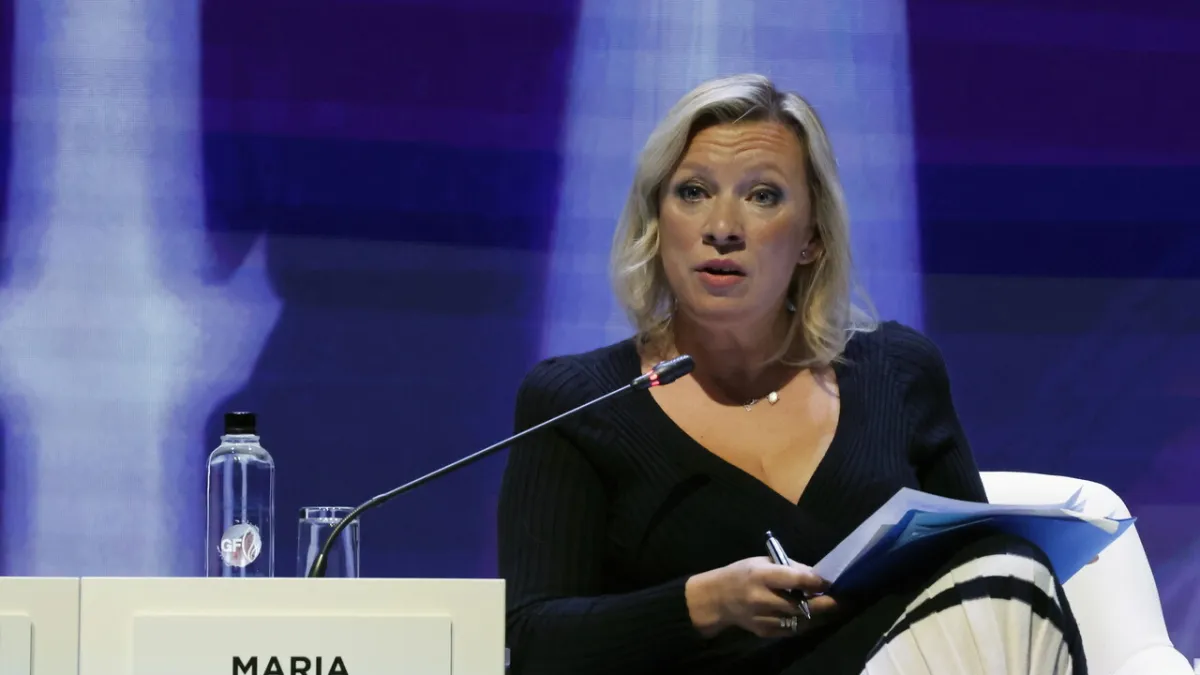
MOSCOW – The Kremlin, through its diplomatic channels, launched a scathing taunt against the European Union in 2026, highlighting the bloc's inability to unify its voice and appoint a single spokesperson for dialogue with Russia. This provocative jibe was delivered with the metaphor of rock-paper-scissors (or sasso-forbici), implying that Europe is perceived as deeply confused in consolidating its resources and strategic diplomatic decisions. The sarcasm emerges amidst reignited geopolitical tensions and the urgent need for clear communication between both parties.
The statement from Moscow implicitly condemns the internal fragmentation among the European Union member states. No one has yet pooled their resources for a rock-paper-scissors decision, read the widely circulated statement, referring to Europe's slow and often contradictory decision-making process. This message is more than mere rhetoric; it reflects Russia's frustration over the lack of a cohesive interlocutor from the European side.
This situation is not new in the dynamics of Russia-Europe relations. Throughout recent years, especially since 2022, the European Union has frequently struggled to formulate effective common foreign and security policies, particularly concerning sensitive issues involving Moscow. In 2026, tensions remain palpable, indicating an ever-widening communication chasm.
Russia's harsh jibe risks deepening diplomatic fissures. Instead of facilitating dialogue, such mockery can exacerbate perceptions of one party's superiority over another, complicating efforts to rebuild the much-needed trust for regional stability.
Although there has been no coordinated official response from Brussels, European political observers believe that this taunt will become a subject of internal debate. Some countries might view it as a provocation to be ignored, while others might push for a firmer response that demonstrates unity.
The choice of the sasso-forbici or rock-paper-scissors analogy is remarkably clever. This children's game symbolizes random, strategy-less, and often unserious decisions. The Kremlin deliberately used it to belittle the European Union's diplomatic capabilities, as if to say that their decision-making process is akin to mere luck, not the result of consensus or in-depth analysis.
Global geopolitics in 2026 are marked by various challenges, ranging from economic uncertainty to prolonged regional conflicts. In this context, the consolidation of power and foreign policy is crucial for any power bloc. The European Union's inability to present a united front can be exploited by other global actors for their own interests.
Disparities in views among the 27 EU member states have long been an impediment. This has been evident in various issues, from economic sanctions to energy policy. Without strong internal agreement, European diplomatic initiatives tend to be weak and less impactful on the international stage.
This incident should serve as a call for the European Union to conduct a deep introspection regarding the effectiveness of their decision-making mechanisms. The future of Europe-Russia relations, and even the EU's role on the world stage, heavily depends on the bloc's capacity to speak with a clear and authoritative single voice.
Editorial Insight: Moscow's taunt, though seemingly trivial, actually reflects both disappointment and a clever political strategy. The Kremlin appears keen to exploit the European Union's internal vulnerabilities, reinforcing the perception of a fragmented bloc, and indirectly challenging Europe to unite. This challenge is not just about dialogue with Russia, but also about the legitimacy and effectiveness of the European Union as a cohesive geopolitical force amidst the increasingly complex global dynamics of 2026. The future of European diplomacy will be significantly influenced by how they respond to such mockery and whether they can overcome persistent internal divisions.