 Gabriella
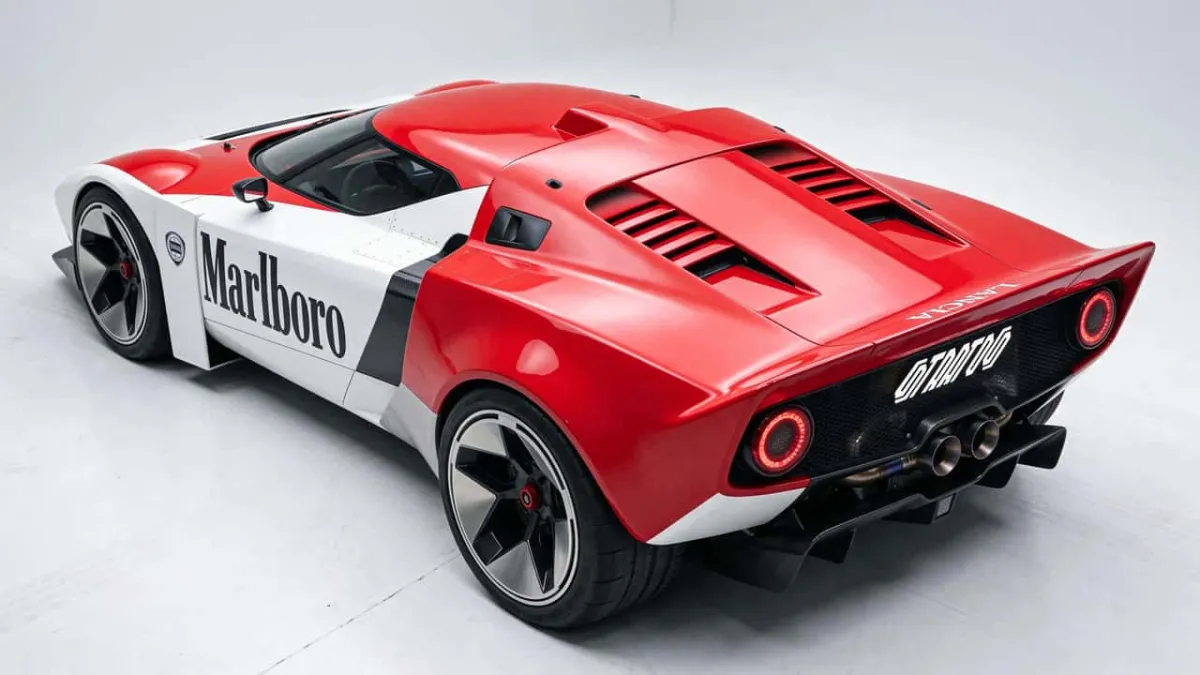
Jakarta – The global automotive world is abuzz following the latest appearance of the Lancia Stratos, a legendary rally icon, in a revolutionary modern interpretation. Renowned digital artist Luca Serafini has captivated the public with a design rendering that not only honors the classic heritage but also integrates futuristic touches highly relevant for 2026. Serafini's work has quickly become a talking point, hinting at the potential revival of a legend in the era of high-performance vehicles.
Serafini, known for his bold vision in reinterpreting automotive classics, introduced a design that retains the aggressive silhouette of the original Stratos while blending it with advanced aerodynamics and contemporary aesthetics. Sharp lines, compact proportions, and modern LED lighting details present a vehicle that looks ready to hit rally stages or city streets today.
The Lancia Stratos, originally produced from 1973 to 1976, is famous as one of the most dominant and iconic rally cars in history. With its powerful Ferrari Dino V6 engine and Bertone-designed body, the Stratos secured three consecutive World Rally Championship titles from 1974 to 1976. Its legacy of performance and design has earned it a special place in the hearts of automotive enthusiasts.
This digital rendering is not merely a visual fantasy; it is an artistic declaration of how a masterpiece can be brought back to life without losing its essence. Serafini appears to have scrutinized every angle and curve of the original Stratos, then translated it into a sharper, more dynamic 2026 design language. It is a perfect blend of nostalgia and innovation that successfully pleases both purists and modernists.
The response from the global automotive community has been overwhelmingly positive. Online forums and social media platforms are flooded with praise for Serafini's vision. Many hope this rendering could serve as a blueprint for actual production, wishing for the return of the Lancia Stratos as a luxurious limited-production vehicle or even as a new modern rally platform.
Speculation regarding the possibility of Lancia, under the Stellantis umbrella, considering such a project is growing. The revival of iconic brands with modern touches is no longer new in the automotive industry. For instance, efforts to restore and revitalize classic vehicles demonstrate a strong trend towards appreciating historical value combined with current performance and technology.
This modern Stratos design also highlights the role of digital artists in shaping market perceptions and expectations. Renderings like these are not just images; they are virtual prototypes that test public reaction and provoke discussions about the future direction of automotive design. Serafini has successfully created significant momentum.
Although still a digital concept, this modern Lancia Stratos design offers a clear glimpse into the boundless potential of the automotive world. It proves that the appeal of an icon never fades, but can transform and remain relevant through every era.
This phenomenon also recalls efforts by other brands to revive their heritage. For example, there is similar enthusiasm for the monumental restoration of classic cars, such as the story of The 1992 Range Rover Rises from the Grave: An Epic Restoration Story After Five Years Abandoned which captivated collectors and enthusiasts. This shows the immense value of automotive heritage.
The emergence of concepts like the modern Stratos could push Lancia to be more aggressive in its marketing strategy within the premium and performance segments, especially after a long period of focusing on more conservative models. The potential to return to its rally roots with a vehicle inspired by this rendering is eagerly awaited by many.
Editorial Insight: The resurgence of interest in icons like the Lancia Stratos through Luca Serafini's digital interpretation is not just a design trend, but a reflection of the market's desire for soulful and characterful automobiles. If Lancia can seize this momentum and turn Serafini's vision into reality, they will not only revive a legend but also reassert their position as an innovator in design and performance on the global stage. The challenge lies in executing this while maintaining the purity of Serafini's design and meeting the stringent modern production standards and regulations of 2026.