 Chandra Wijayanto
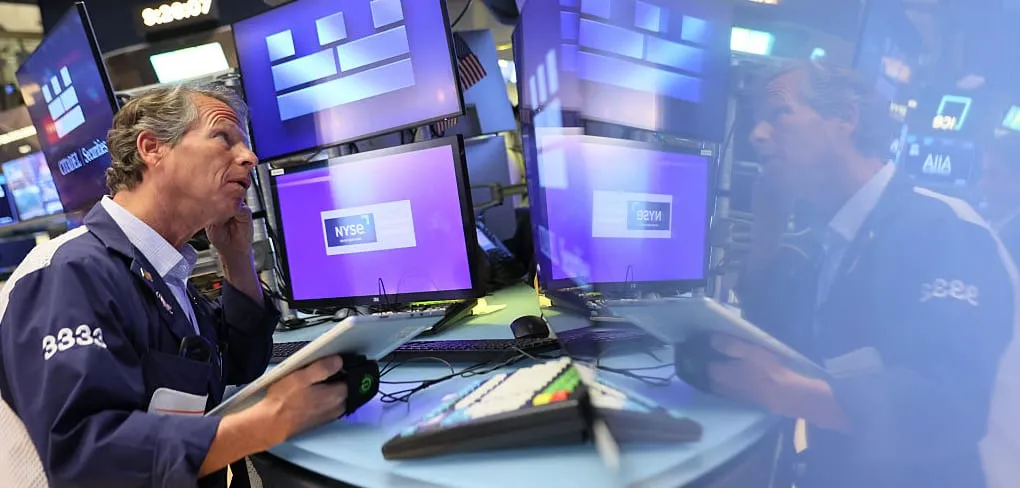
WASHINGTON DC – The artificial intelligence (AI)-driven economic bubble that has propelled the United States economy to soaring heights now faces a potential crisis that could shake its foundations. Market analysts warn that if this AI bubble bursts, investors will be forced to re-evaluate their traditional crisis management strategies, as the resulting impact is believed to carry unusual, double consequences.
The soaring valuations of AI companies in global stock markets have reached alarming levels throughout 2026. This phenomenon, while seemingly stimulating economic growth, creates an imbalance vulnerable to sharp corrections. Many compare this situation to the euphoria of the dot-com era in the late 1990s, but with a significantly higher degree of complexity and interconnectedness.
The double risk is not merely a conventional market downturn. A collapse in the AI sector has the potential to trigger a broader domino effect, impacting various industries that are now heavily reliant on this technology, from finance to manufacturing and services. The deep integration of AI into global business operations means that any upheaval in this sector carries massive destructive power.
President Donald Trump, through several of his policies, has encouraged technological innovation in the United States. However, current market dynamics demand a balance between fostering innovation and mitigating risk. The vast wealth accumulated due to the AI boom in the Land of the Free now acts as a double-edged sword, ready to bear the burden should this bubble truly collapse.
Investors, both institutional and retail, need to recognize that asset protection strategies proven in the past may no longer be relevant. The scale and intrinsic nature of continuously evolving AI technology present new, unprecedented challenges. AI's predictive and transformative power, which drives growth, could also become an unexpected catalyst for destruction.
Leading economists and financial market observers are beginning to voice serious concerns. They highlight that excessive euphoria often obscures rational judgment regarding company fundamentals and long-term profit projections. The concentration of capital in a handful of AI tech giants also adds to the level of systemic vulnerability.
Global economic reliance on technological advancements, particularly AI, makes this potential collapse a global threat, not just a localized one for the United States. Digital supply chains, financial innovations, and even national security could be significantly affected if this bubble bursts.
Lessons from previous financial crises, such as the 2008 subprime mortgage crisis or even the dot-com bubble, show that markets can recover. However, the unusual consequence mentioned in the initial analysis indicates that this time, the recovery dynamics could be far more complex, given that AI underpins much of modern economic infrastructure.
Several incidents, such as the unraveling of cases in the chip industry supporting AI, provide a glimpse into the fragility beneath the grandeur. Events like the resignation of a former Megaspeed executive amidst the Nvidia chip scandal, as previously reported, serve as a reminder that internal risks within even giant tech companies can trigger market distrust. This underscores the urgency for investors to more carefully assess risks in the fast-paced technology sector.
A paradigm shift in risk and portfolio management is necessary. Investors must consider more extensive asset diversification and more extreme stress scenarios, going beyond traditional analytical frameworks. They must prepare for the possibility that the rules of the game in the market will fundamentally change.
Governments and regulatory bodies also face pressure to mitigate these risks without stifling innovation. This balance is crucial for maintaining global economic stability amidst a wave of technological revolution. Discussions on regulation, as seen in efforts in the United States Congress concerning digital assets, reflect the need for new frameworks responsive to cutting-edge technological dynamics.
The future of the global economy depends on how quickly and effectively stakeholders can respond to this potential threat. The 21st century demands agile adaptation to the changing landscape of technology-driven investment.
Editorial Insight:
The potential collapse of the AI bubble presents a severe test for the global financial system. More than just a market correction, this is a warning to reconstruct our understanding of risk and investment strategies in an era of technological dominance. The mentioned double impact suggests that AI, as a driver of wealth, could also become the greatest vulnerability if not managed wisely, demanding extra caution from every market participant.