 Gabriella
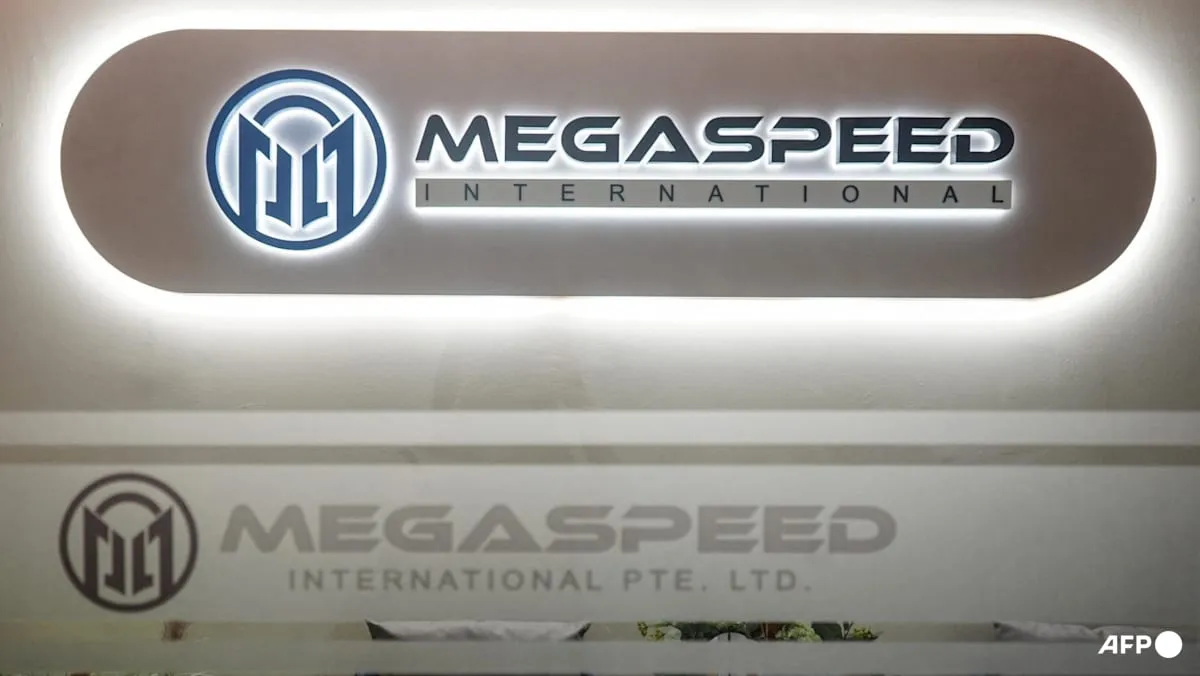
SINGAPORE – The United States Departments of Commerce and Justice have officially unveiled details of a thorough investigation into Megaspeed, a company operating in Singapore. This strategic probe, initiated in 2024, culminated in an on-site inspection in June 2025, executed in close collaboration with local law enforcement officials.
The announcement, made from Washington, signifies a new chapter in the US global law enforcement efforts against business entities suspected of violating international regulations. The primary focus of this investigation revolves around potential transgressions committed by Megaspeed, a company whose specific sector was not detailed in the initial official release but has become a serious point of concern in the global business arena.
The investigation, which began in 2024, underscores the duration and complexity of the issues being addressed. According to the Department of Commerce, this process is designed to ensure compliance with US laws and regulations, particularly those related to trade and national security, which can have extraterritorial jurisdiction in certain cases.
The physical inspection at Megaspeed's facilities in June 2025 represents a concrete step, indicating that US authorities had gathered sufficient initial evidence to warrant direct action on the ground. The presence of Singaporean law enforcement officials in this operation affirms robust international cooperation.
Such cross-border cooperation is crucial in handling complex multinational business cases. It also reflects the Singaporean government's commitment to supporting transparency and effective law enforcement within its territory, aligning with its respected status as an international financial and trade hub.
Specific details regarding the type of violations alleged against Megaspeed remain confidential to preserve the integrity of the ongoing investigation. However, similar probes typically involve issues such as money laundering, sanctions violations, export of sensitive technology, or unethical business practices detrimental to US interests.
This Megaspeed case has the potential to significantly impact the company's reputation and possibly the investment climate in Singapore if serious violations are proven. It serves as a warning to other global companies to ensure full compliance with regulations in the jurisdictions where they operate.
This announcement comes amid rising geopolitical tensions and increased scrutiny over global supply chains and technology transfers. The US government under President Donald Trump has aggressively pursued entities deemed to threaten its economic and national security interests.
The issue of strict oversight over foreign entities is not new. Previously, Singapore also rigorously reviewed US chip export restrictions in 2026, illustrating the complexity of global trade and technological relationships. (Read also: Singapore to Review US Chip Export Restrictions: What are the 2026 Implications?)
Furthermore, incidents such as Simba License at Risk of Revocation, Singapore Authorities Launch Comprehensive Investigation also demonstrate Singapore's strong commitment to maintaining market integrity and business regulations, even for local or locally-based entities. (Read also: Simba License at Risk, Singapore Authorities Launch Comprehensive Investigation)
The decision to release this information, while not fully comprehensive, likely aims to send a strong message to the international business community about the Departments of Commerce and Justice's seriousness in enforcing the law.
Editorial Insight: The investigation into Megaspeed in Singapore highlights a global trend of increased scrutiny over multinational corporations, especially those operating in strategic sectors. The proactive steps taken by the US Departments, supported by local law enforcement cooperation, indicate that the era of ambiguous business operations is fading. This case could set a significant precedent for companies in Southeast Asia to meticulously navigate the complexities of international regulations and mitigate the risk of severe sanctions from major economic powers.